
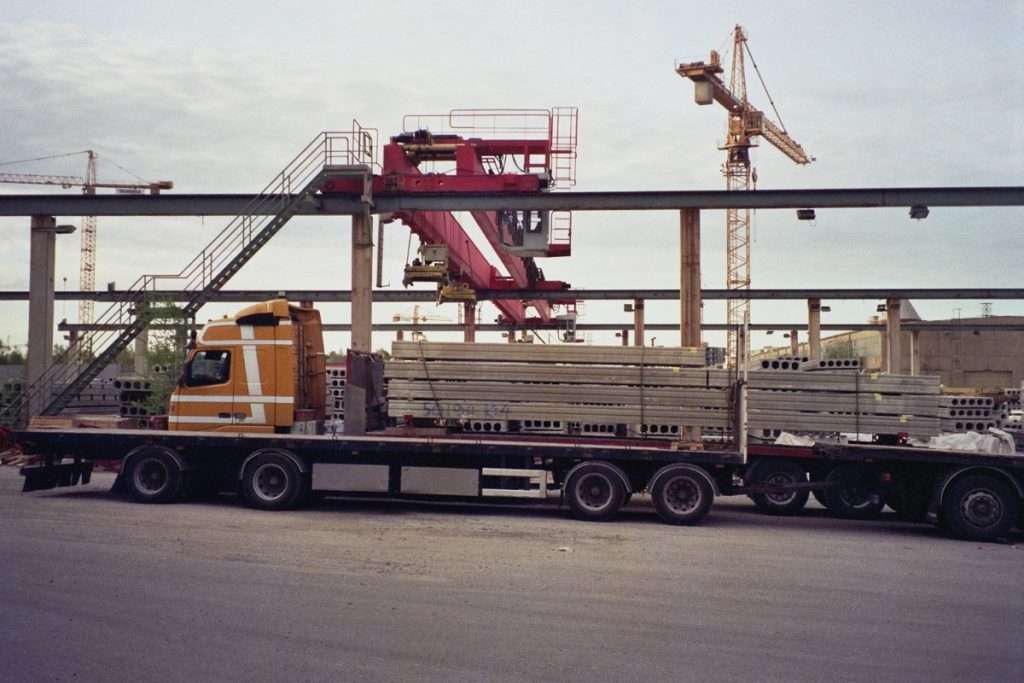
Overhead cranes and hoists are essential in steel fabrication shops, warehouses, power plants, precast yards and machine shops. Henan Province (Changyuan and Xinxiang) is China’s best-known crane manufacturing cluster, with hundreds of factories producing single and double girder overhead cranes, gantry cranes, jib cranes and electric hoists. Chinese cranes can cost far less than European brands, but lifting equipment is safety-critical, so buyers must specify and inspect carefully. This guide explains how to source overhead cranes and hoists from China.
1. Information the factory needs
- Capacity: rated load in tonnes, plus auxiliary hoist if needed.
- Span: distance between runway rails.
- Lifting height and building dimensions (clearance above the rail, headroom).
- Duty class: how often and how heavily the crane will be used (for example FEM or ISO classification, A3–A6).
- Runway: existing rails and beams or new runway to be supplied.
- Power supply and operating environment (indoor, outdoor, dust, heat, explosion risk).
- Control: pendant, radio remote or cabin.
2. Crane types
- Single girder overhead cranes for light and medium duty, usually up to about 20 t.
- Double girder overhead cranes for heavier loads, longer spans and higher duty.
- Gantry and semi-gantry cranes for outdoor yards and precast plants.
- Jib cranes for workstations.
- Electric wire rope hoists and chain hoists, including European-style low-headroom hoists.
3. Quality and design points
- Girder design calculations, steel grade and welding quality (ask for weld inspection records).
- Hoist type and brand: traditional CD/MD hoists or European-style hoists with lower headroom.
- Motors with inverter control for smooth travel, and brakes on all motions.
- Wire rope grade, drum and sheave design.
- Electrical components: brand, protection class, festoon or busbar power supply.
4. Safety features and compliance
- Overload limiter, upper and lower limit switches, travel limit switches and buffers.
- Emergency stop, warning horn and lights.
- Compliance with your country’s crane standards and machinery safety rules, such as CE in Europe.
- Third-party inspection and certification after installation, if required locally.
Make the required standards part of the contract. See 12 clauses for a machinery purchase contract.
5. Testing before shipment
- Check girder camber, dimensions and welds.
- Run the hoist and trolley; check brakes, limit switches and controls.
- Witness a load test on the hoist (often 125% static and 110% dynamic).
- Verify nameplates, wire rope certificates and electrical diagrams.
- Check packing of girders, end carriages and electrical parts.
Read our FAT guide.
6. Shipping and installation
Girders up to about 12 m can travel in 40ft containers; longer girders need flat racks or break-bulk shipping, or a spliced design. Agree on installation drawings, video guidance or engineers on site, and commissioning load tests. See shipping machinery from China.
Frequently asked questions
Are Chinese cranes safe?
Reputable manufacturers build cranes to recognised standards and supply them worldwide. Safety depends on correct specification, quality manufacturing, proper installation and inspection.
Can you supply the runway beams too?
Yes. Many factories supply runway beams, rails and steel structures, or complete steel buildings.
What is the lead time?
Standard single girder cranes often take 20 to 30 days; double girder and gantry cranes 30 to 60 days.
Source cranes with Supbon Sourcing
Supbon Sourcing helps buyers compare crane factories, review designs and safety features, witness load tests and manage shipping. Learn more about our custom industrial equipment sourcing and construction machinery sourcing.
Need a crane for your workshop? Send us capacity, span and lifting height for a free quote.