
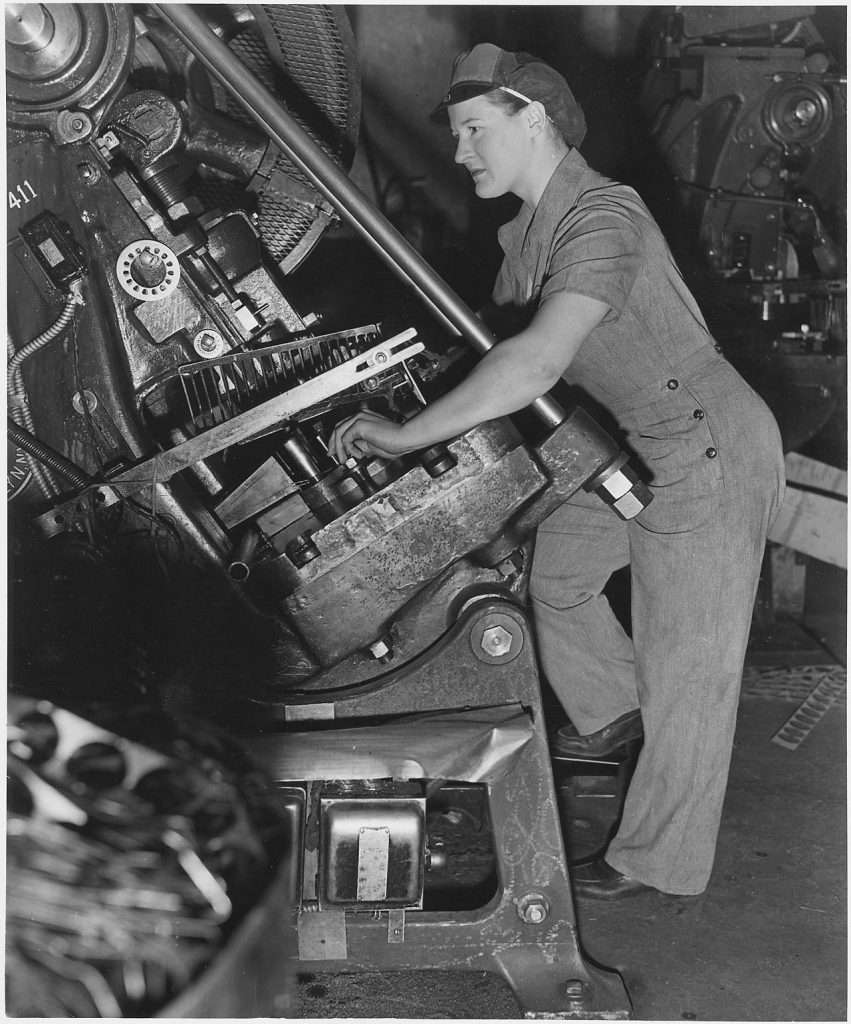
Stamping presses turn sheet metal into brackets, automotive parts, appliance panels, electrical components, cookware and countless other products. China builds presses from small 16-tonne C-frame machines to large multi-thousand-tonne transfer press lines. Jinan has a long press-making tradition and is home to Jinan No. 2 Machine Tool Group, a major producer of large stamping presses, while Jiangsu, Zhejiang and Guangdong host many makers of standard and high-speed presses. This guide explains how to source stamping presses from China.
1. Types of presses
- C-frame (gap frame) mechanical presses for small parts and general stamping.
- Straight-side (H-frame) presses for higher tonnage, accuracy and progressive dies.
- High-speed precision presses for motor laminations, terminals and connectors.
- Servo presses with programmable slide motion for difficult forming and energy savings.
- Press brakes for bending rather than stamping sheet metal. See NC vs CNC press brake: how to choose.
- Press lines: tandem and transfer lines with automation for large panels.
- Hydraulic presses for deep drawing and forming. See our hydraulic press guide.
2. Specifications to define
- Nominal tonnage and the tonnage rating point (distance above bottom dead centre).
- Stroke length, strokes per minute and shut height adjustment.
- Bolster and slide area to fit your largest die.
- Die cushion requirements for drawing.
- Accuracy class and frame rigidity for progressive dies.
- Coil handling: decoiler, straightener and servo feeder for coil-fed stamping.
3. Key components and quality
- Frame: welded steel, stress relieved, machined; ask about deflection.
- Clutch and brake: wet or dry, pneumatic friction type; brand and response time.
- Overload protection: hydraulic overload protection to protect press and dies.
- Lubrication: automatic lubrication system.
- Controls: PLC brand, tonnage monitor, die protection inputs.
- Motor and flywheel: power, inverter speed control.
4. Safety
Presses are among the most dangerous machines in a factory. Specify light curtains, two-hand controls, safety PLC or relays, guarding, and dual safety valves for the clutch. For Europe, presses must comply with the Machinery Directive and the relevant press safety standard, so ask for CE documentation from the manufacturer.
5. Testing before shipment
- Run the press continuously and check stroke speed, noise and temperature.
- Check slide parallelism and accuracy.
- Test the clutch and brake stopping time and the safety system.
- Run a trial with your die if possible, or measure with test blocks.
- Verify component brands, documentation and packing.
See our factory acceptance test guide.
6. Shipping and installation
Small presses ship in containers; large presses are often split into crown, slide and bed and shipped on flat racks. Foundations, pits and anchor bolts must be prepared in advance. See shipping machinery from China.
Frequently asked questions
Can Chinese factories make dies too?
Yes. Many die makers can produce progressive and transfer dies to your part drawings, and test them on your press before shipment.
Why consider Jinan for presses?
Jinan has decades of press manufacturing experience and is close to other Shandong machinery clusters. See our Jinan machinery industry guide.
Do you source press brakes and shears too?
Yes. See press brakes and shearing machines.
Source stamping presses with Supbon Sourcing
Supbon Sourcing helps buyers compare press manufacturers, review specifications and safety systems, witness tests and arrange shipping. Learn more about our metalworking machinery sourcing service.
Planning a stamping line? Send us your part and die information for a quote.