
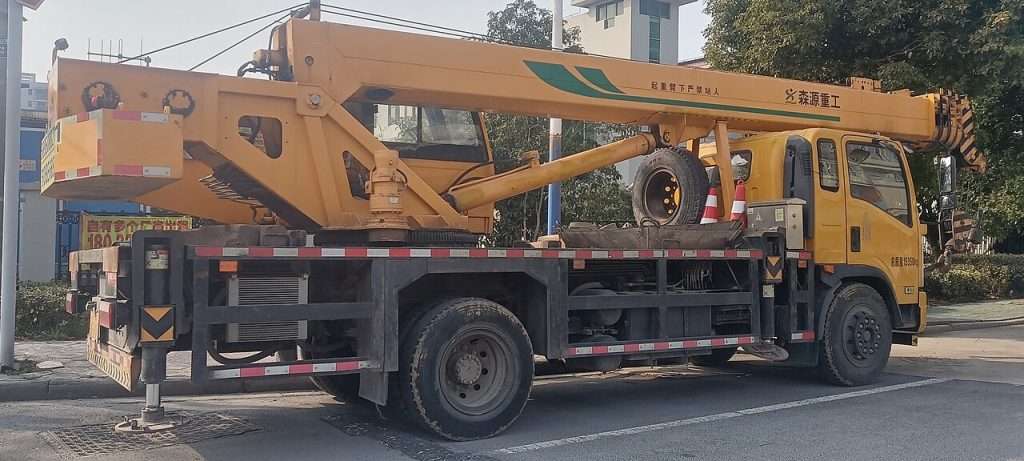
Aerial work platforms (AWPs) are used for construction, building maintenance, warehouses, shipyards and installation work. Chinese manufacturers have become major global suppliers of scissor lifts and boom lifts, and several of them now export widely. Shandong is part of this industry, and LGMG, a well-known producer of aerial work platforms, is based in Jinan. Because these machines lift people, safety and compliance matter more than price. This guide explains how to source aerial work platforms from China.
1. Main types of aerial work platforms
- Scissor lifts: electric slab scissors for indoor use and rough-terrain models for construction sites.
- Boom lifts: telescopic and articulating booms for greater reach and outreach.
- Vertical mast lifts and personnel lifts for tight indoor spaces.
- Spider and trailer-mounted lifts for access over obstacles and easy transport.
- Truck-mounted platforms for street lighting, utilities and maintenance.
2. Specifications to define
- Working height, platform height and horizontal outreach.
- Rated platform load and number of people.
- Indoor or outdoor use, wind rating, and floor loading limits.
- Machine width, stowed height and weight, for doorways, lifts and transport.
- Power: lead-acid or lithium battery, diesel or hybrid.
- Gradeability, drive speed and non-marking tyres.
3. Components and quality points
- Batteries: chemistry, capacity, charger and battery brand. Lithium batteries need dangerous goods documents for shipping.
- Drive system: electric drive or hydraulic drive, motor and controller brands.
- Structure: steel grade, welding quality and pin and bushing design.
- Hydraulics: cylinders with holding valves, hoses and fittings.
- Parts and diagnostics: parts manuals, service tools and fault code documentation.
4. Safety systems and compliance
- Overload sensing, tilt alarm, pothole protection and emergency lowering.
- Emergency stop buttons, guardrails, harness anchor points and warning alarms.
- Compliance with the rules in your market, such as CE marking and EN 280 in Europe, or ANSI A92 and CSA standards in North America.
- Local periodic inspection and operator training requirements.
Ask for certificates that cover the exact model, and check they are valid. See CE marking for machinery imported from China.
5. Testing before shipment
- Raise to full height and check stability, drift and lowering.
- Test overload sensor, tilt alarm, pothole protection and emergency lowering.
- Test drive, steering and braking, including on a slope if possible.
- Check battery charging and run time.
- Verify nameplates, serial numbers, decals in your language and manuals.
See our factory acceptance test guide.
6. Shipping and spare parts
Scissor lifts are compact, and many fit in 20ft or 40ft containers. Larger booms may need flat racks or RoRo. Order a starter kit of tyres, sensors, joysticks, seals and controllers. See shipping machinery from China and spare parts sourcing.
Frequently asked questions
Are Chinese scissor lifts suitable for rental fleets?
Many rental companies use them. Check durability, parts availability and local service support, and start with a small trial order.
Can I get machines in my own colours?
Many factories offer custom colours and logos, usually with a minimum quantity.
What other machinery is made in Jinan?
See our Jinan machinery industry guide and forklift sourcing guide.
Source aerial work platforms with Supbon Sourcing
Supbon Sourcing is based in Jinan. We help rental companies, dealers and contractors compare manufacturers, check compliance documents, test machines and arrange shipping. Learn more about our construction machinery sourcing service.
Building a lift fleet? Send us your height and quantity requirements for a quote.