
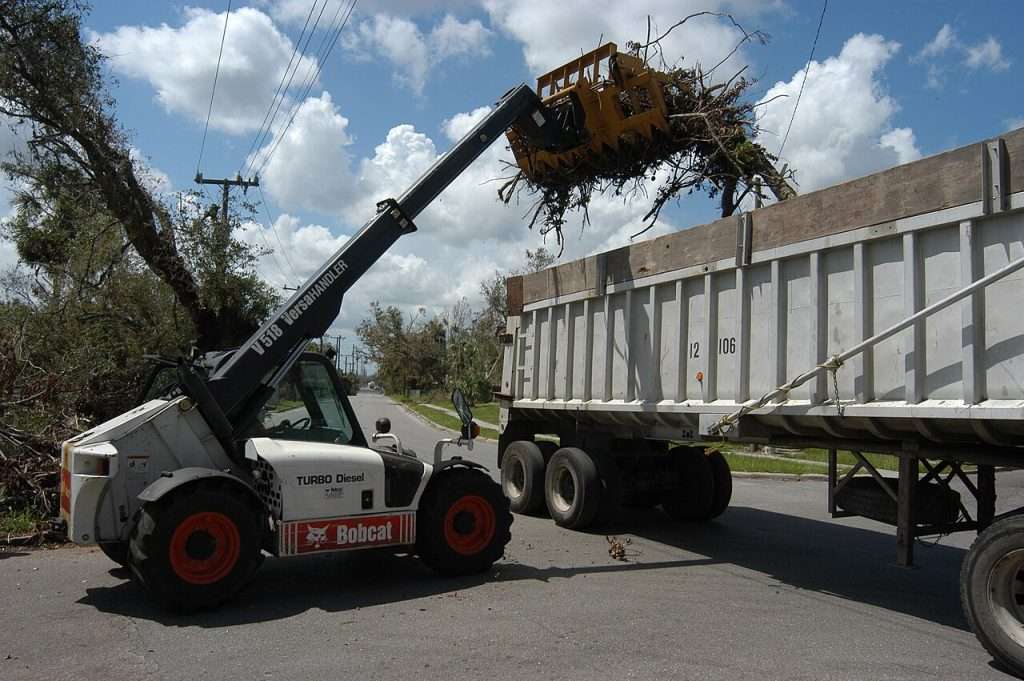
Telehandlers (telescopic handlers) combine the lift of a crane with the mobility of a loader, which makes them popular on farms, construction sites and in material yards. Chinese manufacturers have expanded into this market in recent years, offering compact and full-size machines at attractive prices. Because a telehandler can tip if used beyond its load chart, safety and documentation matter as much as price. This guide explains how to source telehandlers from China.
1. Define your application
- Maximum lift capacity, and the capacity you need at full height and full reach.
- Lift height and forward reach.
- Work type: farm loading, construction, pallets, bales or bulk material.
- Machine size limits, such as door height for farm buildings.
- Whether it will travel on public roads, which affects legal requirements.
2. Key specifications
- Load chart: this matters more than the headline capacity. Ask for the full chart at each boom angle and extension.
- Engine: brand, power and emission level. Check what is allowed in your country.
- Transmission: hydrostatic or torque converter, 4WD, and steering modes such as crab steer.
- Stabilisers: needed on many higher-reach machines.
- Hydraulics: pump and valve brands, auxiliary flow for attachments.
- Cab: ROPS/FOPS, visibility and controls.
3. Safety systems and compliance
- Load moment indicator or longitudinal stability limiter.
- Load chart in the cab, in your language.
- Hose burst protection valves on lift cylinders.
- Seat belt, operator presence system, lights and alarms.
- Compliance with local rules, such as CE and the relevant EN standards in Europe. Ask for documents that cover the exact model.
See CE marking for machinery from China. Rules for road use and people-lifting baskets vary, so check them before ordering these options.
4. Attachments
A quick hitch lets you use pallet forks, buckets, bale grabs, jibs and manure forks. Check that each attachment suits the machine, and that its weight is taken into account on the load chart. See attachment sourcing.
5. Inspection and testing
- Lift a known load at several points on the load chart.
- Test the stability limiter, alarms and emergency functions.
- Check for boom drift, cylinder and hose leaks, and boom wear pads.
- Test driving, steering modes and brakes.
- Verify the engine and serial numbers, labels, manuals and load charts.
See our factory acceptance test guide.
6. Shipping and support
Compact machines can fit in containers, while larger ones usually ship by RoRo or flat rack. Plan parts supply and service before you buy, since dealers and customers will expect it. See shipping machinery from China and warranty and after-sales service.
Frequently asked questions
Is a telehandler better than a wheel loader?
Telehandlers offer more height and reach, while loaders are better for repeated bulk loading. See our wheel loader guide.
Can I become a dealer for a Chinese brand?
Some manufacturers seek overseas dealers. We can help you compare them and check what support they offer.
Do you source other lifting equipment?
Yes. See forklifts and aerial work platforms.
Source telehandlers with Supbon Sourcing
Supbon Sourcing helps dealers and contractors compare telehandler manufacturers, review load charts and documents, inspect machines and arrange shipping. Learn more about our construction machinery sourcing service.
Looking for telehandlers? Send us your lift height and capacity for a quote.