
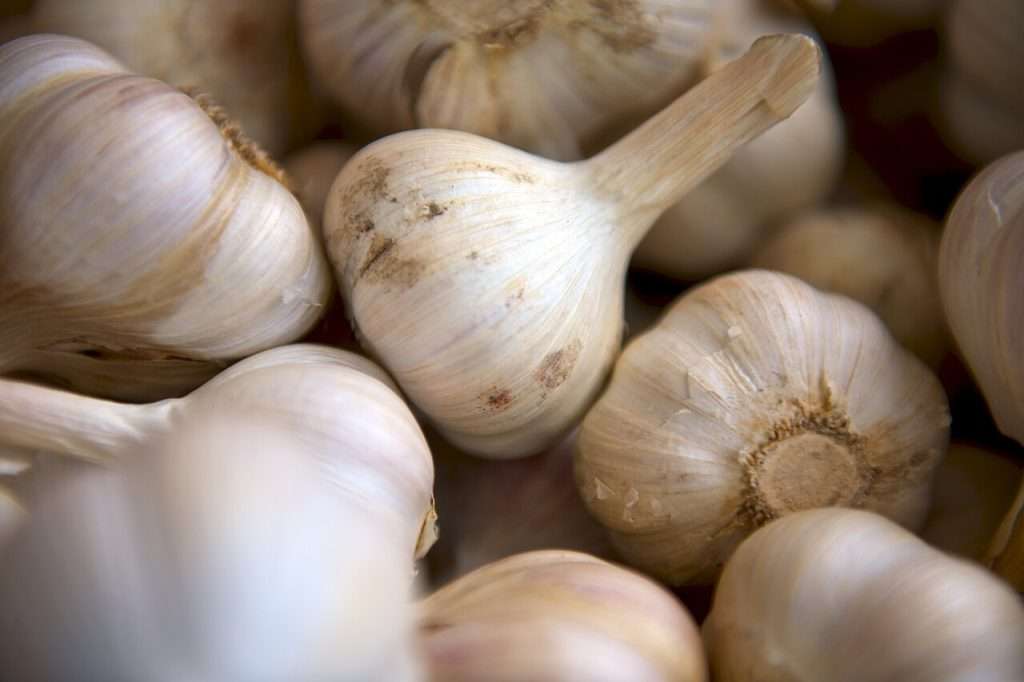
Garlic is one of the most traded vegetables in the world, and turning raw bulbs into peeled cloves, paste, flakes or powder takes a chain of specialised machines. China is the world’s largest garlic producer, and Shandong province – particularly the Jinxiang area in Jining – is widely known as a centre of garlic growing, trading and processing. That concentration has created a deep base of manufacturers who build garlic processing equipment for both local processors and export buyers. This guide explains the main machine types, what to specify, and how to check quality before your order leaves the factory.
Main types of garlic processing machinery
- Bulb breaking (clove separating) machines: rubber rollers or discs split whole bulbs into individual cloves, with a fan removing loose skin and stems.
- Dry air peelers: compressed air strips the skin from cloves without water or blades, which keeps cloves undamaged and dry. Chain-type models run continuously for higher volumes.
- Root and stem cutting machines: trim the root plate and stalk from fresh or dried bulbs for the fresh-market trade.
- Sorting and grading machines: drum or roller graders that size bulbs or cloves; optical sorters remove discoloured or damaged cloves on larger lines.
- Washing and picking lines: bubble washers, inspection conveyors and de-watering units for peeled cloves.
- Slicing, dicing and paste machines: slicers for flakes, choppers for minced garlic and colloid or stone mills for paste.
- Dehydration and powder lines: mesh-belt dryers, flake sorters, grinders and sifters for dried flakes, granules and powder.
- Black garlic fermentation machines: temperature- and humidity-controlled chambers for aged black garlic.
Many buyers start with a breaker and a peeler, then add washing, slicing and drying equipment as volume grows. If you are planning a wider vegetable operation, see our guide to fruit and vegetable processing lines from China.
What to specify in your inquiry
- Raw material: fresh or cured garlic, typical bulb size range, and moisture condition. Peeling performance depends heavily on how dry the skins are.
- Capacity: kilograms per hour of raw bulbs or of finished cloves – state clearly which one you mean.
- Finished product: whole peeled cloves, paste, flakes, granules or powder, and the target mesh size for powder.
- Contact materials: stainless steel grade for all food-contact parts, plus food-grade belts and rubber rollers.
- Utilities: voltage, frequency and phase, and for air peelers the required compressed air pressure and flow. The compressor is often not included, so confirm scope.
- Heat source for dryers: electric, steam, gas or biomass, depending on what is economical at your site.
- Layout: available floor space and whether you need connecting conveyors and platforms.
Electrical mismatches are a common and avoidable problem; our article on voltage and frequency specifications for imported machinery explains what to confirm.
Key quality points to check
- Peeling rate and damage rate: ask the supplier to state both, and under what garlic conditions. A high peeling rate means little if many cloves are bruised.
- Air system: the quality of valves, nozzles and the control of air pulses determines consistency on dry peelers.
- Stainless steel work: check sheet thickness, weld finish and whether frames are also stainless or painted carbon steel.
- Hygienic design: smooth surfaces, easy access for cleaning, and no dead corners where skin and juice collect. Garlic residue is sticky and corrosive over time.
- Dryer uniformity: even airflow and temperature control across the belt, since uneven drying darkens flakes and affects flavour.
- Brand of components: motors, bearings, inverters and PLCs should be named in the quotation.
Safety and compliance
- Guards on rollers, blades, belts and chain drives, with emergency stops within reach of operators.
- Electrical cabinets with suitable ingress protection for wet washing areas.
- Dust control on powder grinding and sifting sections, since fine food powders can be combustible. A properly sized dust collection system is worth discussing early.
- Declarations for food-contact materials, and CE documentation where your market requires it. Requirements differ by country, so confirm them with your local authority or importer.
Testing before shipment
Garlic machines should always be tested with real garlic, not run empty. During a factory acceptance test, ask for:
- A timed run with a weighed batch to verify actual capacity.
- Counted samples to measure peeling rate and damaged-clove rate.
- For slicers and grinders, checks of slice thickness and powder fineness against your specification.
- For dryers, a heat-up and temperature stability check, plus a moisture reading on dried product if possible.
- Video and photos of the test, the nameplates and the electrical cabinet.
Remember that garlic varieties differ. If your local garlic is smaller, wetter or has tighter skins than the test garlic, discuss this with the supplier and consider sending a sample batch.
Shipping and spare parts
- Small breakers and peelers often ship in plywood cases as LCL cargo; complete lines with dryers usually need one or more full containers.
- Stainless surfaces should be wrapped and protected against moisture during the sea voyage.
- Order wear parts with the machine: rubber rollers, belts, blades, screens, air nozzles, seals and sensors.
- Ask for a layout drawing, wiring diagram and English manual before shipment.
For freight options and container planning, read our guide to shipping machinery from China. If you plan to store peeled garlic, a cold room may also belong in the project scope.
Frequently asked questions
Does a dry garlic peeler need water?
No. A dry air peeler uses compressed air to remove the skin, so cloves stay dry and can be stored or processed further. It does need a suitably sized air compressor and reasonably dry garlic to work well.
Can one line produce both peeled cloves and garlic powder?
Yes, a line can be designed with a shared front end – breaking, peeling and washing – followed by separate branches for fresh cloves and for slicing, drying and grinding. Tell the supplier your expected split between products so equipment is sized correctly.
How long does production take?
Standard single machines are often available within a few weeks, while complete customised lines typically take longer. Lead times vary by season and workload, so confirm the schedule with the supplier in writing.
Source garlic processing machinery with Supbon Sourcing
Supbon Sourcing is based in Jinan, Shandong – the same province as China’s best-known garlic region. We help overseas buyers identify suitable manufacturers, compare quotations, follow production and arrange testing before shipment as part of our food processing machinery sourcing service. Tell us your raw material, capacity and finished product, and contact us to start your inquiry.