
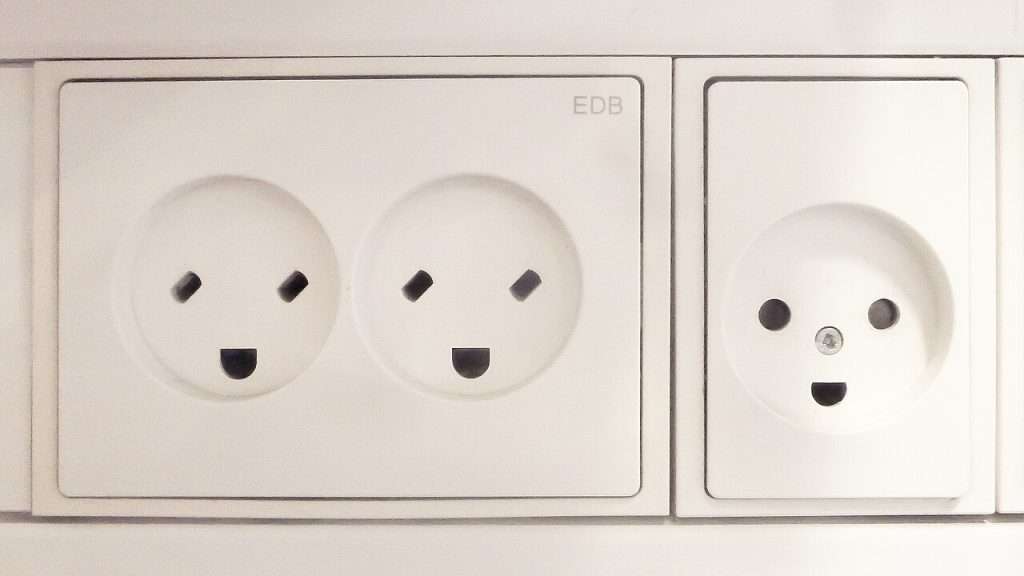
One of the most common and costly mistakes when importing machinery from China is getting the electrical specification wrong. China’s standard supply is 220 V single-phase and 380 V three-phase at 50 Hz, and many Chinese factories build to that by default. If your plant runs on a different voltage or on 60 Hz, a machine that worked perfectly at the factory acceptance test may not run correctly, or safely, at your site. This guide explains which electrical details to agree with a Chinese supplier before you sign the contract.
Why electrical specifications matter
- Voltage – motors, heaters, transformers and control power supplies are designed for a specific voltage. Running at the wrong voltage can overheat motors, damage electronics or reduce output.
- Frequency – an AC induction motor designed for 50 Hz runs roughly 20% faster on 60 Hz, which changes pump flow, fan output, conveyor speed and mechanical loads. Some components, such as transformers and contactor coils, may also behave differently.
- Phase and earthing system – three-phase with or without neutral, and the local earthing arrangement (for example TN-S, TN-C-S or TT), affect panel design and protection.
- Standards and certification – your country may require specific standards, listed components or marking for electrical panels.
Common supply differences to check
- China: 220 V single-phase, 380 V three-phase, 50 Hz.
- Much of Europe: 230 V single-phase and 400 V three-phase, 50 Hz. Many Chinese machines can be adapted easily, but confirm it.
- United States and Canada: 60 Hz, with several common voltages, including 120/240 V single-phase and three-phase supplies such as 208 V, 240 V and 480 V (600 V is also used in Canada).
- Japan has both 50 Hz and 60 Hz regions.
- Many other countries use different combinations, and large plants may have their own medium-voltage supply. Always check your actual site supply with a local electrician rather than relying on a country table.
What to put in your RFQ and contract
- Supply voltage, number of phases, frequency, and whether a neutral is available.
- Control voltage (for example 24 V DC control circuits) and any requirement for a control transformer.
- Applicable electrical standards, for example IEC 60204-1 for the EU, or NFPA 79 and UL 508A for the US where required by your customer or authority.
- Plug, socket or terminal requirements, cable entry and cable colours.
- Panel protection rating (IP rating) and environmental conditions such as high ambient temperature, humidity or dust.
- Component preferences: brands of PLC, inverters, breakers and contactors that are available locally for spares.
- Language of panel labels, HMI and electrical drawings.
Include these points in your technical specification and purchase contract. Our guides on writing a machinery RFQ and machinery purchase contracts with Chinese suppliers explain how to structure them.
Options when your supply is different
- Build to your specification – the best option for most machines. The supplier selects motors, heaters and panel components for your voltage and frequency.
- Use a step-up or step-down transformer – can solve voltage differences, but does not change frequency and adds cost, losses and floor space.
- Use variable frequency drives – inverters can run motors at the correct speed on a different supply frequency, and many CNC and automated machines already use them. Confirm all motors are covered.
- Frequency converters – possible for special cases but usually expensive; designing the machine correctly from the start is generally better.
Compliance and safety
- In the EU, the electrical side of machinery is part of the CE conformity assessment. See our CE marking guide.
- In North America, local inspectors or customers may require a certified panel or field evaluation. Agree with the supplier early who is responsible.
- Earthing, residual-current protection, emergency stop circuits and lockable main isolators must suit local rules.
- Ask for complete electrical drawings, a parts list and wiring numbers so local electricians can maintain the machine.
Testing before shipment
Ideally the supplier tests the machine on the same voltage and frequency it will use at your site. Larger Chinese factories sometimes have test transformers or frequency converters; smaller ones may not. During the factory acceptance test, check:
- The nameplates on motors, heaters and the main panel show your voltage and frequency.
- How the machine was powered during the test, and whether motor speeds and outputs were confirmed for your frequency.
- Insulation resistance, earth continuity and correct operation of emergency stops and interlocks.
- Panel layout, labelling and cable quality.
An independent pre-shipment check can confirm these details; see machinery quality inspection in China.
Shipping and spare parts
- Order spare fuses, contactors, relays, sensors and at least one spare inverter for critical machines.
- Keep electrical spares in sealed, moisture-protected packaging. See shipping machinery from China and machinery spare parts sourcing.
Frequently asked questions
Can I run a 380 V 50 Hz Chinese machine on 400 V 50 Hz?
Many machines tolerate this small difference, but it depends on the components and their rated range. Tell the supplier your exact supply so they can confirm or adjust the design.
Is it cheaper to buy a standard machine and add a transformer?
Sometimes for a single small machine, but a transformer cannot correct a frequency difference, and it adds losses and maintenance. For most production machinery, ordering the correct electrical specification is the safer choice.
Will the supplier charge extra for a non-Chinese voltage?
Some do, especially for 60 Hz or North American panel standards, because special motors and components may be needed. Ask for the cost and any extra lead time in the quotation.
Source correctly specified machinery with Supbon Sourcing
Supbon Sourcing helps overseas buyers specify, source and inspect machinery from China so it arrives ready for their local power supply. Learn more about our machinery sourcing in China service, or contact Supbon Sourcing with your machine list and site electrical details.