
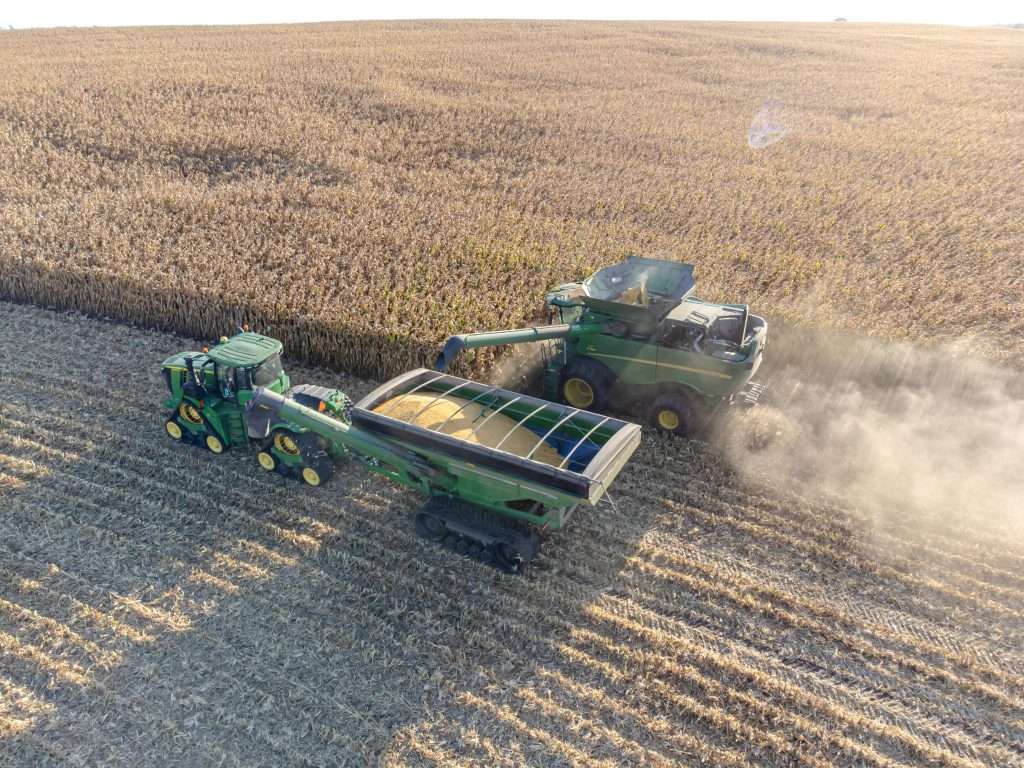
Chinese manufacturers supply a wide range of agricultural machinery to farms, dealers and distributors around the world, including tractors, harvesters, seeders, sprayers, balers and post-harvest processing equipment. For importers, buying from China can make mechanisation more affordable, but agricultural machines work in demanding conditions, and a poorly chosen model or supplier can mean breakdowns in the middle of a season.
This guide covers the practical steps of agricultural machinery sourcing from China, from defining your field conditions to inspection, shipping and spare parts planning.
1. Describe your crops, fields and operating conditions
Agricultural equipment must match local conditions. Give suppliers a clear picture of how the machine will be used:
- Crops and varieties, row spacing and planting or harvesting method.
- Field size, terrain and soil type, including slopes, wet fields or paddy conditions.
- Climate: temperature range, dust and humidity.
- Power source: tractor horsepower available, PTO speed and hitch category for implements.
- Annual working hours and the length of the working season.
- Local maintenance capability and availability of mechanics and parts.
The more specific you are, the better a supplier can recommend a configuration, for example tyre or track options, cutting width or engine power.
2. Know the main categories of agricultural machinery from China
- Tractors from compact and walking tractors to higher-horsepower four-wheel-drive models.
- Tillage equipment: ploughs, disc harrows, rotary tillers and cultivators.
- Planting equipment: seeders, planters and rice transplanters.
- Crop protection: boom sprayers, mist sprayers and agricultural drones.
- Harvesting: combine harvesters, reapers, forage harvesters and balers.
- Post-harvest equipment: threshers, grain dryers, cleaners, mills and feed processing machines.
Many factories specialise in one or two categories. Working with a specialist usually gives better engineering support than buying everything from a general trader.
3. Check compliance and import requirements early
Requirements for tractors and self-propelled machines differ greatly between countries. Before you order, confirm with your import authority or customs broker:
- Engine emission standards that apply in your market.
- Road homologation, lighting and braking requirements if the machine will travel on public roads.
- Safety marking such as CE for the European market, and the documents you need to prove it.
- Phytosanitary or cleanliness requirements for used or field-tested equipment, which may need to be cleaned of soil before export.
Include these requirements in the purchase contract so the supplier is responsible for delivering a compliant machine.
4. Verify the manufacturer
- Request the business licence and confirm the factory manufactures, not just trades, the product.
- Ask about export experience to your region and request references.
- Check the engine, gearbox, hydraulic and bearing brands used in key components.
- Review the warranty terms and the supplier’s approach to field support.
- Audit the factory to see welding, painting and assembly quality and the final testing area.
5. Plan spare parts from the start
Downtime during planting or harvest is extremely costly. Ask the supplier for a recommended spare parts list for one or two seasons, covering wear parts such as blades, belts, chains, bearings, filters and seals. Request a parts catalogue with part numbers so you can reorder accurately. For dealers and distributors, holding a local stock of fast-moving parts is often the key to winning customer trust.
6. Inspect before shipment
A pre-shipment inspection should confirm that each machine matches the agreed configuration and works correctly. Typical checks include:
- Model, serial numbers, engine numbers and configuration against the order.
- Paint quality, welding and corrosion protection.
- Engine start, idle and load running, hydraulic function and absence of leaks.
- Operation of PTO, lifting system, steering and brakes where applicable.
- Completeness of tools, manuals, spare parts and accessories.
- Packing, securing and protection for sea transport.
7. Shipping agricultural machinery
Smaller machines and implements can often be packed in standard containers, sometimes partially disassembled. Large tractors and combine harvesters may require flat-rack containers or RoRo shipping. Discuss with the supplier and your forwarder how the machine will be loaded, what disassembly is needed and how it will be reassembled at destination. Consolidating several suppliers’ products in one container can reduce freight cost per unit.
Frequently asked questions
Is it worth importing tractors from China?
For many buyers, yes, especially for small and medium horsepower ranges where Chinese tractors offer an attractive price. Success depends on choosing a reputable manufacturer, meeting local regulations and planning for spare parts and service.
Can Chinese suppliers customise machines for my market?
Many manufacturers can adjust configurations such as tyres, cabins, lighting, decals and implement sizes. Customisation should be specified in writing and checked during inspection.
What is the minimum order quantity?
It varies by product. Many factories will sell a single machine, but prices, customisation options and freight efficiency usually improve with larger orders.
Source agricultural machinery with Supbon Sourcing
Supbon Sourcing supports farms, dealers and distributors in finding reliable Chinese agricultural machinery manufacturers. We shortlist suppliers, compare configurations, negotiate prices, inspect machines before shipment and coordinate consolidation and logistics. Learn more about our agricultural machinery sourcing service, or see our services for food processing machinery and construction machinery.
Looking for tractors, harvesters or implements? Request a free quote and tell us your crops, field conditions and the machines you need.