
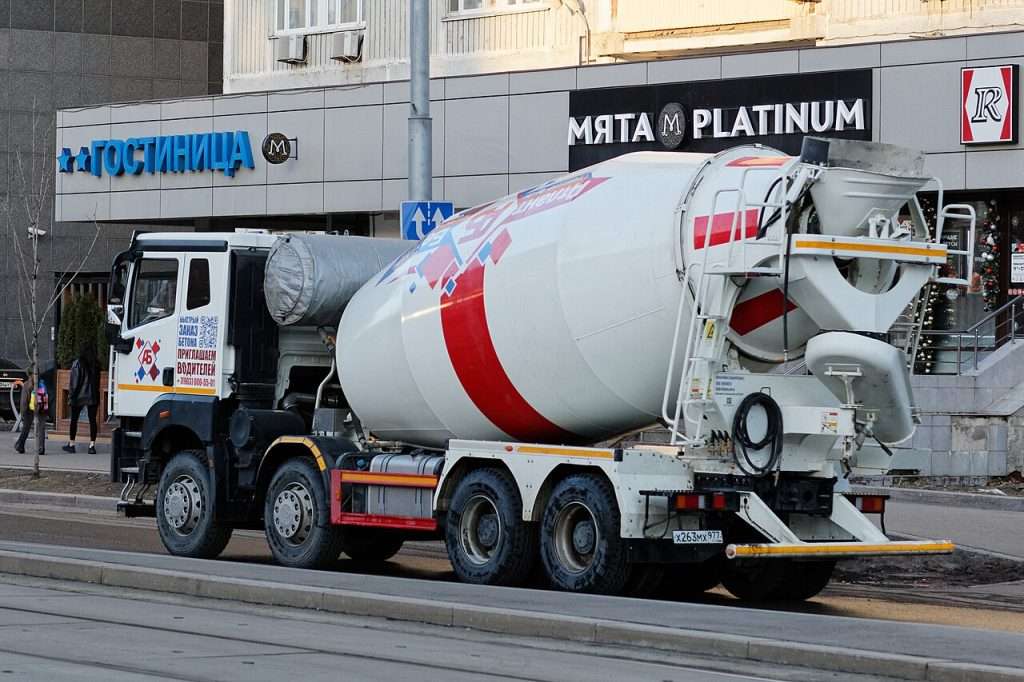
China is the world’s largest producer of concrete machinery. Its factories build everything from small portable mixers to stationary batching plants, truck-mounted and trailer concrete pumps, self-loading mixers and fully automatic block and paver production lines. For contractors, precast producers and dealers in Africa, the Middle East, Asia, Latin America and Australia, Chinese concrete equipment offers strong value. This guide explains how to source concrete machinery from China.
1. Main types of concrete machinery
- Concrete mixers: drum mixers, twin-shaft and planetary mixers, and self-loading mobile mixers.
- Batching plants: stationary, mobile and containerised plants from about 25 to 240 m³/h.
- Concrete pumps: trailer pumps, line pumps and truck-mounted boom pumps.
- Block and paver machines: manual, semi-automatic and fully automatic machines for hollow blocks, solid blocks, interlocking pavers and kerbstones.
- Supporting equipment: cement silos, screw conveyors, aggregate bins, curing systems, cubers and pallet handling.
2. Define your production needs
- Concrete output per hour and per day, or blocks per 8-hour shift for each block size.
- Products and mould sizes, using your local block standards.
- Raw materials: aggregate sizes, cement type, fly ash, admixtures.
- Site conditions: space, power supply (or generator), water and climate.
- Level of automation and labour availability.
3. Key specifications to compare
- Mixers: mixer type, motor power, liner and blade wear materials, gearbox brand.
- Batching plants: weighing accuracy, control system, number of aggregate bins, silo capacity, dust control.
- Block machines: vibration system, hydraulic system, cycle time, mould steel and heat treatment, pallet type (steel, PVC, bamboo or GMT), stacker and curing.
- Concrete pumps: output, pressure, engine or motor brand, hydraulic components, boom length.
Moulds are wear parts. Ask about mould steel, hardness, expected cycles and spare mould prices. See our spare parts sourcing guide.
4. Inspect and test before shipment
- Run block machines with real materials and check block dimensions, density, surface finish and strength samples.
- Check batching plant weighing calibration and control software.
- Run mixers and pumps under load; check hydraulics for leaks.
- Inspect welding, painting, electrical cabinets and packing of loose parts.
Our factory acceptance test guide explains how to organise these tests.
5. Shipping, installation and training
Batching plants and block lines are usually shipped in several containers or on flat racks. Request a container loading plan, foundation drawings and an installation schedule. Agree how many engineers will travel for installation and training. Read about shipping machinery from China and export packing and container loading.
Frequently asked questions
How many blocks can a Chinese block machine produce?
Small semi-automatic machines may produce a few thousand blocks per shift, while large automatic lines can produce tens of thousands. Output depends on block size, mould cavities and cycle time.
Can you supply moulds for local block sizes?
Yes. Chinese factories make moulds to your drawings or local standards.
Do you also source construction machinery?
Yes, including excavators, loaders and road machinery. See our construction machinery sourcing guide.
Source concrete machinery with Supbon Sourcing
Supbon Sourcing helps contractors and precast producers compare Chinese concrete machinery manufacturers, check specifications, witness production tests and manage shipping. Learn more about our construction machinery sourcing service.
Planning a block plant or batching plant? Send us your output and product requirements for a free quote.