
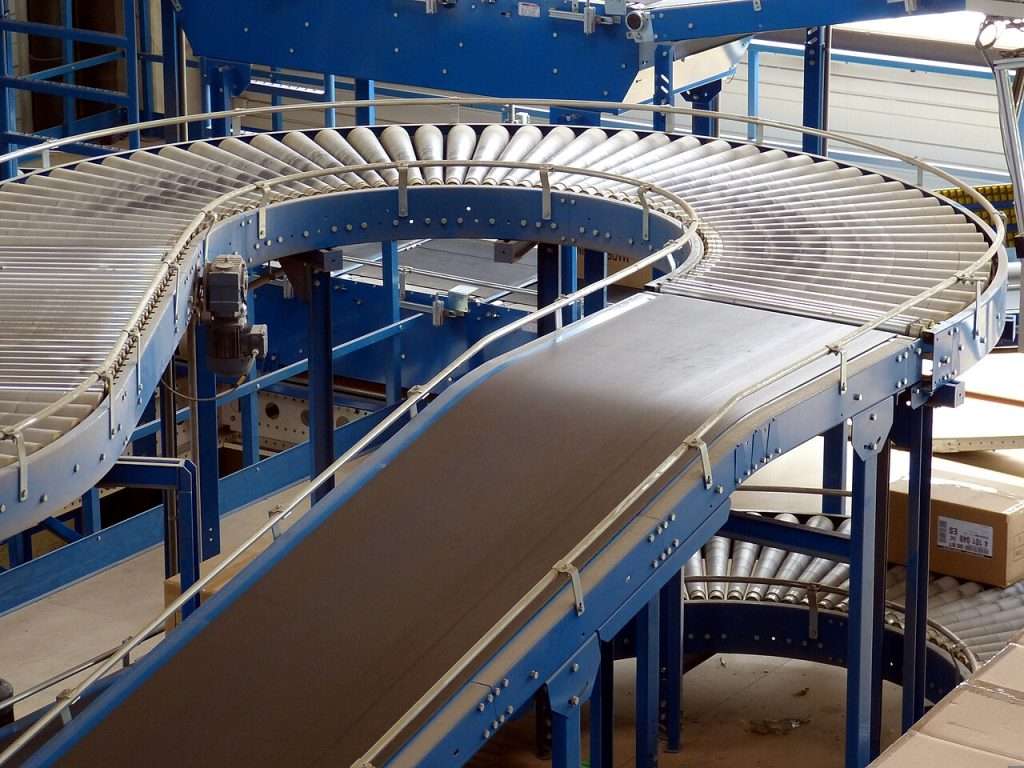
Conveyors connect almost every production and logistics operation: moving products between machines, feeding packaging lines, sorting parcels, handling bulk materials or carrying parts through assembly. Chinese manufacturers produce belt conveyors, roller conveyors, chain and slat conveyors, modular plastic belt conveyors, screw conveyors and bucket elevators, as well as complete material handling systems. Because conveyors must fit your layout and products exactly, a clear specification is the key to a successful purchase. This guide explains how to source conveyor systems from China.
1. Define what you are conveying
- Product type, dimensions, weight and shape: cartons, bottles, bags, pallets, parts or bulk material.
- Throughput in units or tonnes per hour, and required speed.
- Special conditions: food contact, washdown, high temperature, oil, sharp edges or abrasive material.
- Functions needed: accumulation, merging, diverting, inclines, curves, turning or indexing.
- Interfaces with existing machines, including heights and control signals.
2. Choose the right conveyor type
- Flat belt conveyors for general transport of cartons and small products.
- Modular plastic belt conveyors for food and washdown applications, curves and easy maintenance.
- Roller conveyors, gravity or powered, for cartons, totes and pallets, often with accumulation.
- Chain and slat conveyors for bottles, heavy loads and pallets.
- Screw conveyors and bucket elevators for powders and bulk materials.
- Incline and cleated belt conveyors for elevation changes.
3. Provide a layout drawing
Send suppliers a factory layout with conveyor routes, heights, columns, doors and machine positions. Ask them to return a layout drawing of the proposed system for approval before production. This avoids the most common problems: wrong lengths, clashes with building elements and mismatched heights.
4. What to compare in quotations
- Frame material: painted carbon steel, stainless steel or aluminium profile.
- Belt or chain type and brand, rollers, bearings and guide rails.
- Motors, gearboxes and drives, including brand and speed control.
- Control system and sensors, and whether integration with your existing equipment is included.
- Safety guards, emergency stop pull cords and pinch-point protection.
- Installation support and spare parts.
See our guide on comparing machinery quotations from Chinese suppliers.
5. Test and ship
- Pre-assemble key sections at the factory and run them with your products or samples.
- Check tracking, speed, noise, transfers and accumulation functions.
- Label all sections according to the layout so installation is straightforward.
- Pack long sections carefully to avoid bending during transport.
Frequently asked questions
Can conveyors from China connect to my existing machines?
Yes, if heights, interfaces and control signals are specified. Share machine details and your electrical standard with the supplier.
Are stainless steel conveyors necessary for food?
For direct food contact and washdown areas, stainless steel frames and food-grade belts are usually required. Specify the standards your market requires.
Who installs the system?
Installation can be done by your team with drawings and remote support, or by supplier engineers on site. Agree on this in the contract.
Source conveyor systems with Supbon Sourcing
Supbon Sourcing helps manufacturers and warehouses source conveyors and material handling systems from qualified Chinese factories, review layouts, inspect equipment and manage shipping. See our China automation equipment sourcing service and packaging machine guide.
Planning a conveyor system? Send us your layout and products for a free quote.