
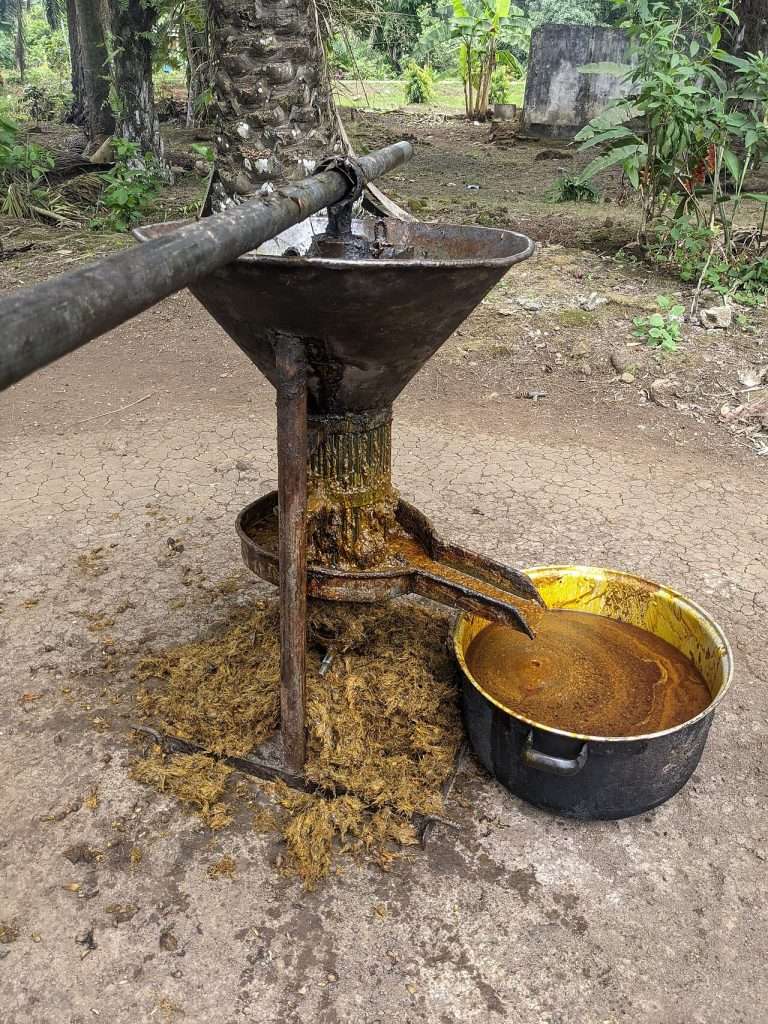
Edible oil projects range from one screw press in a local mill to a complete plant with seed preparation, pressing, solvent extraction and refining. China supplies equipment across that range, and Shandong, a major peanut-growing province, has a long-established oil processing industry. Because the right plant depends heavily on the raw material and on the oil quality you want to sell, a low quotation for the wrong process is expensive. This guide covers what overseas buyers should define, check and test before ordering. It sits alongside our general food processing machinery sourcing guide.
Types of edible oil equipment
- Screw presses (expellers): continuous machines for peanut, sunflower, rapeseed, sesame and similar seeds. Available for cold or hot pressing.
- Hydraulic presses: batch machines often used for sesame and other high-value oils.
- Seed preparation: cleaning, destoning, dehulling, crushing, flaking, and cooking or conditioning.
- Solvent extraction plants: recover residual oil from press cake or flakes, usually with a hexane-type solvent. These are most relevant at larger capacities.
- Refining sections: degumming, neutralisation, bleaching, deodorisation and, for some oils, dewaxing or winterisation.
- Filtration and storage: plate or leaf filters, tanks, and transfer pumps.
- Palm oil lines: sterilising, threshing, digesting and pressing. These differ from seed lines and need a specialist supplier.
What to specify in your inquiry
- Raw materials, their oil content and moisture, and whether you switch between them seasonally.
- Capacity in tons of seed per day, not tons of oil. Suppliers quote on different bases, so confirm which is used.
- Final product: crude, filtered or fully refined oil, and the quality standard you must meet.
- Whether you need press cake for animal feed, and any quality limits on it.
- Available utilities: steam, power, water, thermal oil and compressed air.
- Your site layout and building height, as refinery towers can be tall.
- Effluent and waste handling requirements under local rules.
- Bottling requirements. See our guide to filling machines and bottling lines.
Key quality points
- Press worm and cage: these are the main wear parts. Ask about material, heat treatment and expected replacement routine.
- Residual oil in cake: ask the supplier to state an expected figure for your seed and to explain how it is measured.
- Refinery vessels: check stainless steel grade, weld quality and the design of agitators and heating coils.
- Deodoriser and vacuum system: deodorisation runs at high temperature under deep vacuum, so this section strongly influences oil quality and running costs.
- Heat recovery and consumption: ask for stated steam, power, bleaching earth and chemical use per ton.
- Instrumentation: confirm valve, pump, sensor and PLC brands in the quotation.
- Process guarantee: a written statement of what the plant should deliver under stated feed conditions is more useful than a general promise.
Safety and compliance
- Solvent extraction involves flammable vapour. Expect explosion-protected electrical equipment, proper zoning, ventilation and gas detection, and engage a local engineer on site rules. In the EU, ATEX requirements apply.
- Food-contact parts should have suitable materials and documentation for your market.
- Boilers, pressure vessels and thermal oil heaters may need separate approval. Our industrial steam boiler guide covers the main points.
- CE marking is usually needed for machinery entering the EU, and pressure equipment can fall under additional directives.
- Chemicals used in refining, such as acids and caustic soda, need safe storage and handling.
Testing before shipment
Large plants cannot usually be run complete at the factory, so agree what will be tested there and what will be proven on site. A factory acceptance test can include:
- A press trial with your seed or a close equivalent, measuring throughput, oil yield and cake quality.
- Pressure tests and weld inspection on vessels and piping, with reports.
- Rotation and noise checks on motors, gearboxes and pumps.
- A check of control panels, interlocks and emergency stops.
- Matching the delivered equipment, instruments and documents against the contract list.
Shipping, installation and spares
- Tall vessels may be oversized for standard containers. Ask for a packing list with dimensions early and read our guide to shipping machinery from China.
- Agree who supplies piping, cable, steel structures and civil works, as these are common gaps between quotations.
- Commissioning a refinery generally needs experienced engineers on site. Define their scope, duration and costs in the contract.
- Order press worms, cage bars, filter cloth, seals and pump parts with the plant. See our spare parts sourcing guide.
- Lead times vary widely with plant size, so confirm production and installation schedules with the supplier.
Frequently asked questions
Do I need a refinery, or is pressing and filtering enough?
That depends on your oil and market. Cold-pressed or traditionally flavoured oils are often only filtered, while oils sold as neutral cooking oil usually need refining. Check the standards that apply in your market first.
Is solvent extraction suitable for small plants?
It is usually considered at higher capacities, because of its investment, safety requirements and operating skills. Many smaller mills press only and sell the cake. Ask for a comparison based on your own volumes.
Can one press handle different seeds?
Often yes, with adjustments or different press parts, but performance varies by seed. Give the supplier your full seed list and ask for a stated capacity for each one.
Source Edible Oil Equipment with Supbon Sourcing
Based in Jinan, Shandong, Supbon Sourcing helps overseas buyers find and evaluate Chinese machinery suppliers. Our food processing machinery sourcing service can support supplier shortlisting, quotation comparison, production follow-up and inspection for your oil mill project.
Contact Supbon Sourcing with your raw material, daily capacity and target oil quality to get started.