
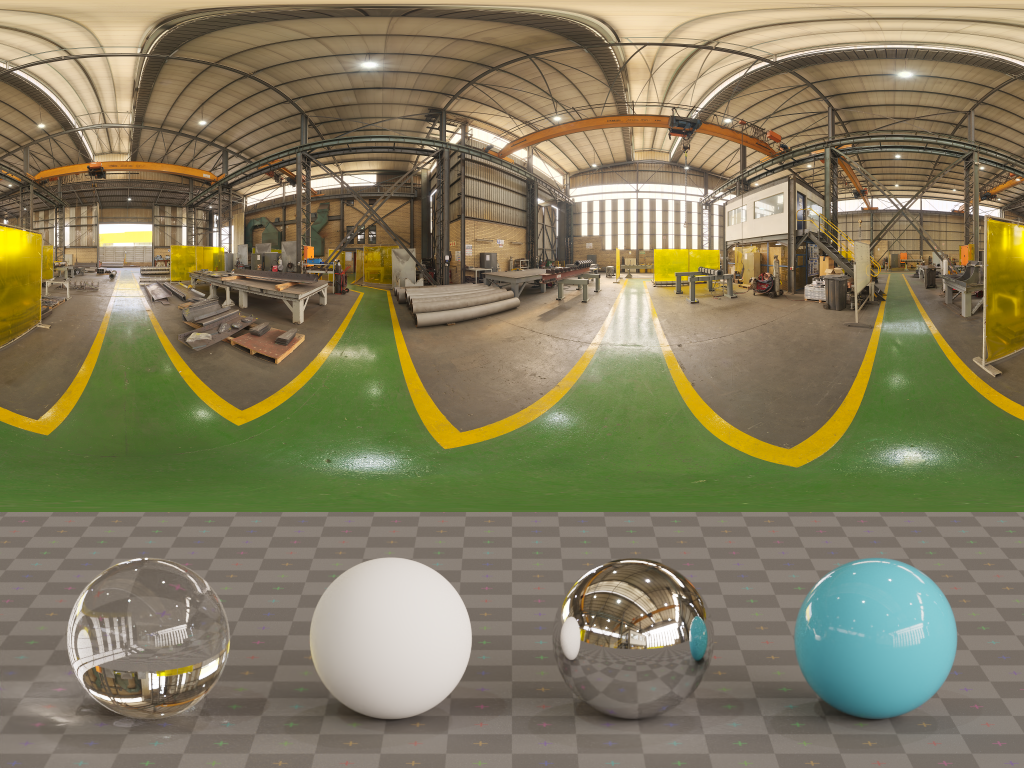
When you buy machinery from China, the supplier you choose determines almost everything that follows: machine quality, delivery time, documentation and after-sales support. Yet many overseas buyers select suppliers based on a website, a marketplace listing and a few chat messages. This guide explains how to verify a Chinese machinery supplier before you pay a deposit, using checks you can do remotely and checks that require a factory visit.
1. Confirm the company legally exists
Start with the basics. Ask the supplier for a copy of its business licence and check the details:
- Company name in Chinese and English. The Chinese name on the licence is the legal name; the English name is often only a translation.
- Unified social credit code, the 18-character registration number.
- Registered capital, date of establishment and legal representative.
- Business scope, which should include the manufacturing of the machinery you are buying, not only sales or trading.
- Registered address, which you can compare with the factory address you are told to visit.
Company registration information can be checked through China’s official enterprise credit information system or commercial databases. Make sure the company name on the contract, the proforma invoice and the bank account all match.
2. Manufacturer or trading company?
Trading companies are not necessarily bad. Some add real value with engineering and export experience. But you should know who you are dealing with, because it affects price, technical communication and responsibility for quality. Signs that a company is a trader rather than a manufacturer include:
- A very wide product range that covers unrelated machine types.
- A business scope that lists only sales, import and export.
- An office address in a commercial building rather than an industrial area.
- Reluctance to arrange a factory visit or live video of the workshop.
- Product photos that also appear on many other suppliers’ listings.
3. Remote checks before a visit
- Live video call from the workshop: ask them to show machines under assembly, the machining area and the testing area, and to film the company name on the building.
- Same-model running video: ask for a new video of the exact model you are buying, with today’s date written on paper in the frame.
- Customer references: request contacts of buyers in your region and actually contact them.
- Export documents: ask for redacted bills of lading or export declarations for similar machines, which show real export experience.
- Certificates: ISO 9001, CE certificates or test reports. Check the issuing body and certificate number, and confirm the scope covers your product.
- Technical depth: ask detailed technical questions. A real manufacturer’s engineers can explain design choices, tolerances and component selection.
4. On-site factory audit checklist
For significant orders, a physical factory audit is the most reliable verification. A machinery factory audit typically looks at:
- Facilities: workshop size, ownership or lease, cranes, machining centres, welding and painting areas.
- Production capacity: number of machines in assembly, workforce and typical lead times.
- Engineering: in-house design team, drawings, software and electrical design capability.
- Purchasing: sources and brands of key components and how incoming parts are checked.
- Quality control: inspection records, measuring instruments, calibration and final testing procedures.
- Testing area: whether finished machines are run and tested before shipment.
- After-sales: service team, spare parts stock and remote support capability.
- Export experience: export packing area and familiarity with your destination’s requirements.
Take photos and keep a written audit report so you can compare suppliers objectively.
5. Payment and contract safeguards
- Pay only to a company bank account in the same name as the contracting company. Be very cautious if asked to pay a personal account or a different company.
- Confirm any change of bank details by phone or video call with a known contact, as email fraud is common in international trade.
- Use a deposit and balance structure, with the balance released after a successful inspection.
- Attach a detailed technical specification and acceptance criteria to the contract.
- Define warranty, spare parts, delivery terms and penalties for late delivery.
6. Red flags to watch for
- A price far below every other quotation for the same specification.
- Pressure to pay quickly or to pay 100% in advance.
- Refusal to allow inspections or factory visits.
- Inconsistent company names across documents.
- Vague answers to technical questions or reluctance to name component brands.
Frequently asked questions
Can I verify a supplier without travelling to China?
Yes. Remote checks such as live video, document verification and reference calls help a lot, and a local sourcing agent or inspection company can carry out the on-site audit on your behalf.
Is a marketplace verification badge enough?
Marketplace badges can be a useful starting point, but they do not replace your own checks of the factory, the product and the contract terms.
How long does a factory audit take?
A typical machinery factory audit takes most of a working day on site, plus time to prepare the report.
Supplier verification is built into our specialist services, including food processing machinery sourcing in China and China automation equipment sourcing.
Let Supbon Sourcing verify your supplier
Supbon Sourcing is based in China and specialises in machinery and industrial equipment. We check supplier documents, carry out on-site factory audits, compare technical proposals and inspect machines before shipment, so you can place orders with confidence. Read why buyers work with a professional China machinery sourcing agent, see our machinery sourcing in China services, or review our CNC machine buyer’s checklist.
Already have a supplier in mind? Contact us and we can help verify the factory before you pay.