
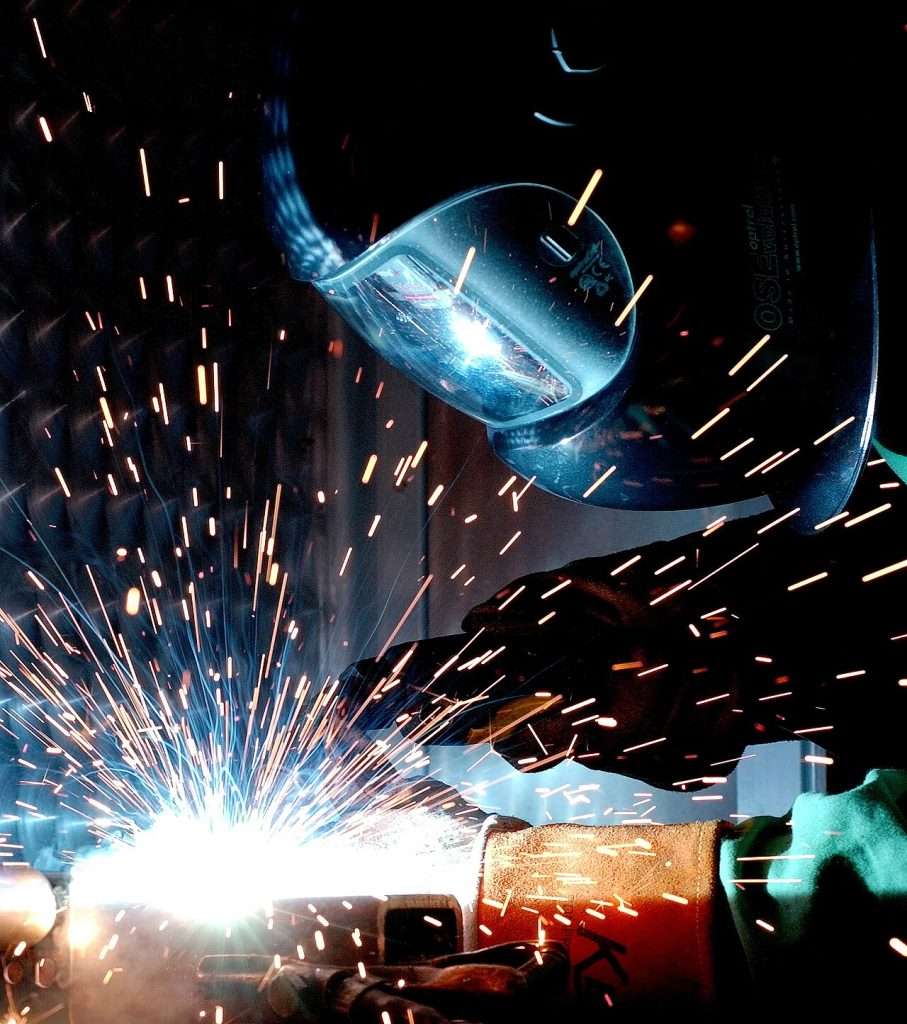
Welding machines are among the most widely used tools in fabrication, construction, shipbuilding, automotive repair and maintenance. Chinese manufacturers produce inverter-based MIG/MAG, TIG, stick (MMA) and plasma cutting machines, multi-process units, submerged arc welders and welding automation such as positioners and carriages. For distributors, fabricators and brands, China offers competitive prices, but welding machines are electrical products with safety and performance requirements. This guide explains how to source welding machines from China.
1. Define your welding applications
- Processes needed: MIG/MAG, pulsed MIG, TIG (DC or AC/DC for aluminium), stick, flux-cored, plasma cutting.
- Materials and thickness: mild steel, stainless steel, aluminium.
- Required output current and duty cycle at that current.
- Input power: single-phase or three-phase, voltage and frequency, generator compatibility.
- Use case: light workshop, heavy industrial production, site work or a retail range for resale.
2. Key specifications to compare
- Rated output and duty cycle at a stated ambient temperature. Duty cycle claims are easy to inflate, so ask how they were measured.
- Inverter technology and key power components such as IGBT modules.
- Wire feeder design for MIG: number of rollers, spool size, separate or built-in feeder.
- Functions: pulse, synergic programs, 2T/4T, hot start, arc force, VRD.
- Protection class (for example IP rating) for site use.
- Accessories: torch quality, cables, earth clamp, gas regulator.
3. Safety and compliance
Welding power sources are regulated electrical equipment in most markets. Depending on your destination, you may need compliance with welding equipment safety standards and electromagnetic compatibility requirements, with marks such as CE, UKCA or other national approvals. Ask suppliers for valid test reports for the exact models you buy, and include the requirement in your contract.
4. OEM and private label
Many Chinese welding machine factories offer OEM production with your branding, panel design and packaging. Approve a golden sample, agree on component specifications so they do not change between batches, and protect your brand with registered trademarks.
5. Inspection before shipment
- Load test machines at rated output and check duty cycle behaviour and temperature rise.
- Perform weld tests on your materials with each process.
- Run electrical safety tests such as insulation and earth continuity checks.
- Check wire feed stability, torch connections and gas flow.
- Verify labels, manuals, markings and packaging, including drop tests of cartons.
Frequently asked questions
Are inverter welders from China reliable?
Many are, especially from experienced manufacturers using good power components. Reliability varies widely, so test samples under load and inspect batches before shipment.
Can I order mixed models in one container?
Yes. Welding machines are compact, so mixing models and accessories in one shipment is common.
Do you also source welding automation?
Yes, including positioners, welding carriages and robotic welding cells. See our industrial robot and automation guide.
Source welding machines with Supbon Sourcing
Supbon Sourcing helps distributors and fabricators source welding machines and accessories from qualified Chinese manufacturers, verify compliance documents, organise OEM samples and inspect every batch. See also our guides to laser welding machines and power tools.
Building a welding range? Send us your requirements for a free quote.