
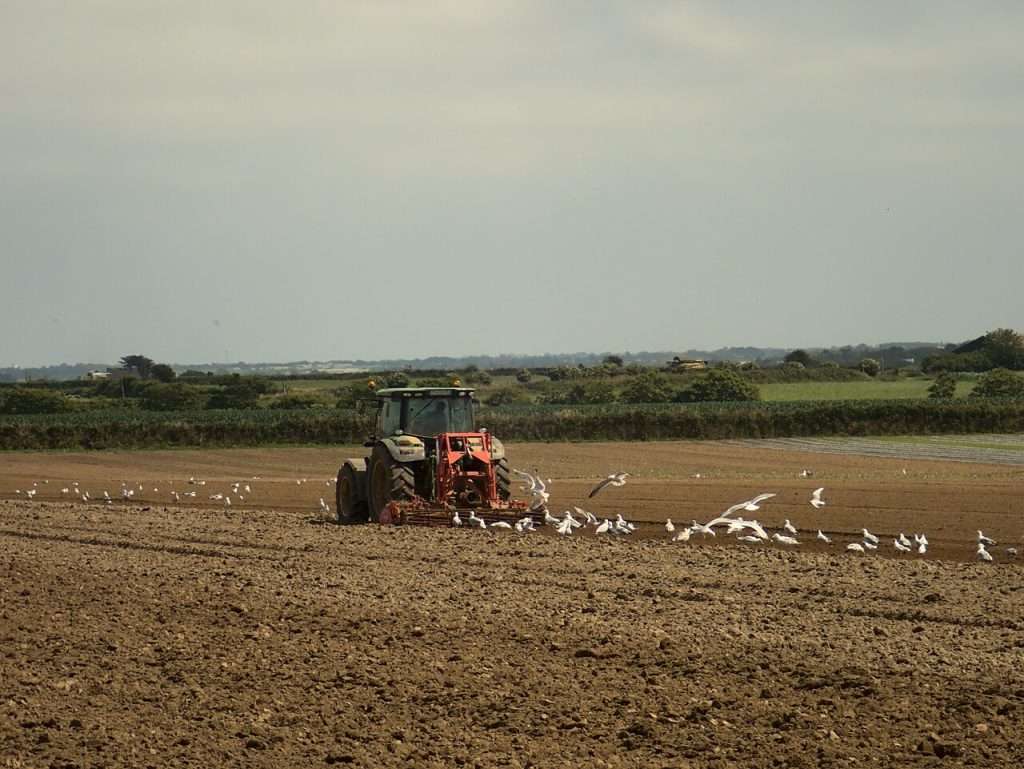
China produces more tractors than any other country, from compact 25 hp models for small farms and orchards to 200+ hp tractors for large-scale agriculture. Major production centres include Shandong (Weifang, Linyi, Jinan), Henan (Luoyang) and Jiangsu. For dealers and farmers in Africa, Asia, Latin America, Australia and beyond, Chinese tractors offer good value, but quality and parts support vary widely between brands. This guide explains how to source tractors from China.
1. Choose the right tractor
- Horsepower: compact (20–50 hp), utility (50–120 hp) and high-power (120 hp and above).
- Drive: 2WD or 4WD; 4WD is usually preferred for heavy soils and loaders.
- Transmission: number of gears, shuttle shift, creeper gears, synchronised or power shift options.
- PTO: speeds (540/1000), independent or live PTO.
- Hydraulics: lift capacity, number of remote valves, pump flow.
- Cab or ROPS: air-conditioned cab for hot climates or ROPS canopy for simplicity.
- Tyres: agricultural, turf or paddy tyres.
2. Engines and emissions
Ask for the engine brand and model, rated power, and emission level. Many Chinese tractors use domestic engines such as Yuchai, Weichai, Changchai or Xinchai, while some export models use international brands. Emission rules differ by country: Europe, the United States and Australia have strict standards, while many other markets accept lower tiers. Make sure the engine meets your country’s requirements before ordering.
3. Implements and loaders
Dealers often sell tractors as packages with front loaders, backhoes, rotary tillers, disc ploughs, harrows, seeders, mowers and sprayers. Chinese factories can supply matched implements, which helps you offer complete solutions. Read our agricultural machinery sourcing guide for more equipment ideas.
4. Quality checks before ordering
- Visit or video-audit the factory: assembly line, testing area, paint shop and parts warehouse.
- Ask for component lists: engine, gearbox, rear axle, hydraulic pump, electrical system.
- Check export experience and existing dealers in your region.
- Confirm the parts book, manuals and service training in English.
See our guide on how to verify a Chinese machinery supplier.
5. Pre-shipment inspection
- Start and run each tractor; check engine noise, smoke, oil pressure and temperature.
- Test all gears, PTO, hydraulics, three-point linkage and brakes.
- Check for oil leaks, wiring, lights, instruments and air conditioning.
- Verify serial numbers, nameplates and specifications against the contract.
- Inspect paint, welding and packing, including loose parts and accessories.
6. Shipping and spare parts
Compact tractors are often shipped in containers, sometimes partially disassembled (wheels or cabs removed) to fit more units. Larger tractors may go by RoRo or flat rack. Order a stock of filters, belts, clutch parts, seals and fast-moving spares with the first shipment. See shipping machinery from China and spare parts sourcing.
Frequently asked questions
Are Chinese tractors reliable?
Leading Chinese brands export worldwide and are reliable when properly maintained. Lesser-known factories vary, so verify components and inspect before shipment.
How many tractors fit in a container?
It depends on size. Several compact tractors can fit in a 40ft high cube container, while a single large tractor may need a flat rack.
Can I import tractors under my own brand?
Yes. Many factories offer OEM colours and logos for dealers, usually with a minimum order quantity.
Source tractors with Supbon Sourcing
Supbon Sourcing is based in Shandong, one of China’s main tractor manufacturing provinces. We help dealers and farmers compare tractor factories, verify components, inspect every unit and arrange shipping. Learn more about our agricultural machinery sourcing service.
Looking for tractors? Send us your horsepower and market requirements for a free quote.