
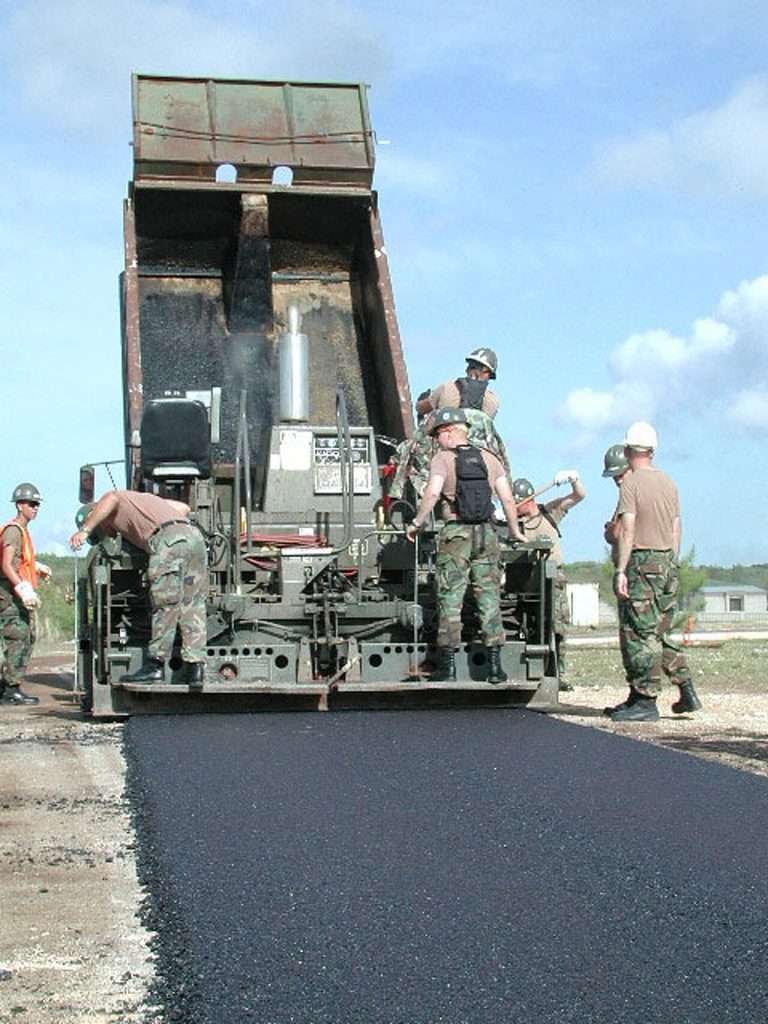
Short answer: to source road construction machinery from China, start from your project (layer type, paving width, daily tonnage and local emission rules), then compare suppliers on engine and hydraulic component brands, after-sales support in your region and a documented pre-shipment test. Chinese pavers, rollers, graders and asphalt plants often offer strong value for money, but the right specification and a proper inspection matter more than the headline price.
Road building creates steady demand for pavers, rollers, graders, milling machines and asphalt plants. Chinese manufacturers now supply road construction equipment to Africa, the Middle East, Southeast Asia, Latin America and Central Asia, with strong value for money and growing reliability. Major producers are located in provinces including Jiangsu (Xuzhou), Hunan (Changsha), Shandong and Henan. This guide explains how contractors, dealers and rental companies can source road construction machinery from China, which specifications to compare, which red flags to watch for and what to check before shipment.
1. Equipment for road projects
- Asphalt pavers: tracked or wheeled, paving width, screed type (mechanical or hydraulic extension, tamper and vibration).
- Road rollers: single-drum vibratory rollers for soil, tandem rollers for asphalt, pneumatic tyre rollers.
- Motor graders for earthworks and road maintenance.
- Cold milling machines for resurfacing.
- Asphalt mixing plants: batch or drum plants, stationary or mobile.
- Supporting equipment: bitumen tanks and emulsion plants, chip spreaders, line marking machines, plate compactors and concrete pavers.
The table below summarises where each machine is used and the main points to compare between quotations.
| Machine | Typical use | Main specifications to compare | Common weak points to check |
|---|---|---|---|
| Asphalt paver (tracked) | Highways, wide paving, soft bases | Basic and maximum paving width, screed type, laying thickness, hopper capacity, engine | Screed heating, auger and conveyor wear parts, levelling sensors |
| Asphalt paver (wheeled) | Urban roads, frequent relocation | Paving width, travel speed, traction, screed extension | Tyres, traction on soft ground, screed straightness |
| Single-drum vibratory roller | Soil, subbase and earthworks compaction | Operating weight, drum width, amplitude and frequency, gradeability | Vibration bearings, drive motor, cab quality |
| Tandem (double-drum) roller | Asphalt compaction | Operating weight, drum width, water spray system, edge cutter | Water pump and nozzles, drum surface, vibration control |
| Pneumatic tyre roller | Asphalt surface sealing, chip seals | Ballast weight range, number of tyres, tyre pressure system | Tyre quality, ballast boxes, steering |
| Motor grader | Earthworks, road formation, maintenance | Engine power, blade width, rear ripper, front blade or scarifier, transmission | Blade circle wear, transmission brand, hydraulic leaks |
| Cold milling machine | Removing old asphalt layers | Milling width and depth, cutter drum, conveyor, engine | Cutting teeth and holders, levelling system |
| Asphalt mixing plant | Producing hot mix asphalt | Capacity (t/h), batch or drum, burner and fuel, baghouse, controls, RAP option | Burner efficiency, dust emissions, control software language |
2. Define project requirements
- Road type and layer thickness, paving widths and daily output.
- Soil and climate conditions, altitude and temperature.
- Emission and safety rules in your country.
- Availability of service and spare parts locally.
A clear brief prevents most sourcing problems. For example, a contractor paving 3.5 m urban lanes does not need a large highway paver, while a highway project may need a paver whose screed extends well beyond 6 m. In the same way, an asphalt plant should be sized for the output your pavers can actually lay per day, with some margin, and not simply the largest plant your budget allows. Altitude and very hot or cold climates affect engine power, cooling and burner performance, so tell the supplier where the machines will work.
Write these points into a short technical specification before you request quotes. Our article on comparing machinery quotations from Chinese suppliers shows how to put competing offers on a like-for-like basis.
3. Key specifications
- Engines: brand (Chinese or international), power and emission tier.
- Hydraulics and drives: pumps, motors and valves brands.
- Pavers: screed heating (electric or gas), conveyor and auger control, automatic levelling.
- Rollers: operating weight, drum width, frequency and amplitude, water spray system.
- Asphalt plants: capacity (t/h), burner type and fuel, dust collection (baghouse), control system, recycling capability.
Some typical ranges help when you read Chinese catalogues, but always confirm the exact figures on the supplier’s datasheet:
- Pavers: small pavers often start at about 2.5–3 m basic width, while large highway pavers can typically reach 9–12 m or more with screed extensions.
- Rollers: single-drum soil rollers are commonly offered from around 10 to over 20 tonnes; tandem asphalt rollers range from small 1–4 tonne units for patching to roughly 10–13 tonnes for main roads.
- Asphalt plants: Chinese batch plants are often quoted from around 60–80 t/h for small projects up to several hundred t/h for large contracts.
Emissions: if you import into a market with strict engine rules, such as the EU (Stage V) or the USA (Tier 4 Final), the engine and the machine must be certified for that market. Many Chinese machines for other export markets use lower-tier engines, which may be cheaper and simpler to maintain but cannot be registered everywhere. Check the rules in your country before choosing the engine option.
4. Common mistakes and red flags
- Vague component lists. A quote that says “imported hydraulics” or “famous brand engine” without naming the brand and model is a warning sign. Ask for a component list with brands and models.
- Unrealistic delivery times. A supplier that promises very fast delivery of a large asphalt plant may be planning to supply stock with a different specification. Confirm the production schedule in the contract.
- Trading companies posing as factories. This is not always a problem, but you should know who builds the machine and who will support it. Verify the business licence and visit or video-inspect the factory.
- Refurbished machines sold as new. Check the engine and frame serial numbers, the manufacturing date and the hour meter.
- No local service plan. Ask how parts are supplied, how fast, and whether the supplier has dealers or service partners in your region.
- Asphalt plant scope gaps. Steel structures, bitumen tanks, cables, foundations drawings and installation supervision are sometimes excluded. Make sure the scope is written into the contract.
5. Inspection before shipment
- Start and run machines; check engine, hydraulics, travel and brakes.
- Check vibration functions on rollers and screed functions on pavers.
- Look for oil leaks, paint quality and correct decals and manuals.
- Verify engine and component serial numbers and specifications.
- For asphalt plants, check steel structure, burner, control software and packing list.
Use a written checklist so that nothing is missed:
| Check item | How to check | Pass criteria |
|---|---|---|
| Engine and serial numbers | Compare nameplates with the contract and component list | Brand, model and emission tier match the contract |
| Cold start and running | Start the machine, run for at least 30 minutes | Smooth start, no warning lights, normal temperatures |
| Hydraulic system | Operate all functions, inspect hoses and fittings | No leaks, smooth response, normal pressures |
| Travel and brakes | Drive forward and reverse, test service and parking brakes | Straight travel, effective brakes |
| Vibration (rollers) | Test high and low amplitude settings | Both modes work, no abnormal noise |
| Screed (pavers) | Extend screed, test heating, tamper and vibration | Screed heats evenly, extensions move smoothly |
| Electrical and controls | Check lights, displays, alarms and levelling sensors | All work; display language as agreed |
| Documents and accessories | Check manuals, parts books, tools and spare parts | Complete, in English or the agreed language |
See our factory acceptance test guide.
6. Shipping
Rollers and pavers are often shipped by RoRo or on flat racks; smaller rollers fit in containers. Asphalt plants are shipped in many containers and open-top units. Plan port handling and inland transport early. See shipping machinery from China.
Ask the supplier for shipping dimensions and weights at the quotation stage, because the shipping method can change the landed cost considerably. Make sure machines are cleaned, as some countries inspect for soil on imported construction equipment, and that loose parts are packed, listed and marked.
7. Installation, training and spare parts
Pavers and rollers are usually ready to work after basic checks, but operators benefit from training on screed setup and vibration settings. Asphalt plants need foundations, assembly, calibration and commissioning, often with an engineer from the supplier on site; agree who pays travel and accommodation in advance.
Order a first set of wear parts with the machines: paver auger blades, conveyor chains and screed plates, milling teeth, filters, belts and seals. See our guide to machinery spare parts sourcing from China.
Frequently asked questions
Are Chinese road rollers reliable?
Leading Chinese brands are widely used on road projects in many countries. As with any machine, check the specification and inspect before shipment.
Can I buy used road machinery from China?
Yes. See our guide to importing used machinery from China.
Do you also source concrete equipment?
Yes. See concrete machinery sourcing.
Should I choose a batch or a drum asphalt plant?
Batch plants typically offer more flexibility in mix designs and are common where specifications are strict, while drum plants are often simpler and suit continuous production of fewer mixes. Your project specification and local standards usually decide.
How long does production usually take?
Standard pavers and rollers are often available from stock or within a few weeks, while asphalt plants usually take longer to build. Confirm the schedule with each supplier and write it into the contract.
Source road machinery with Supbon Sourcing
Supbon Sourcing helps contractors and dealers compare Chinese road machinery suppliers, check engines and components, inspect machines and arrange shipping. Learn more about our construction machinery sourcing service.
Preparing for a road project? Send us your equipment list for a free quote.