
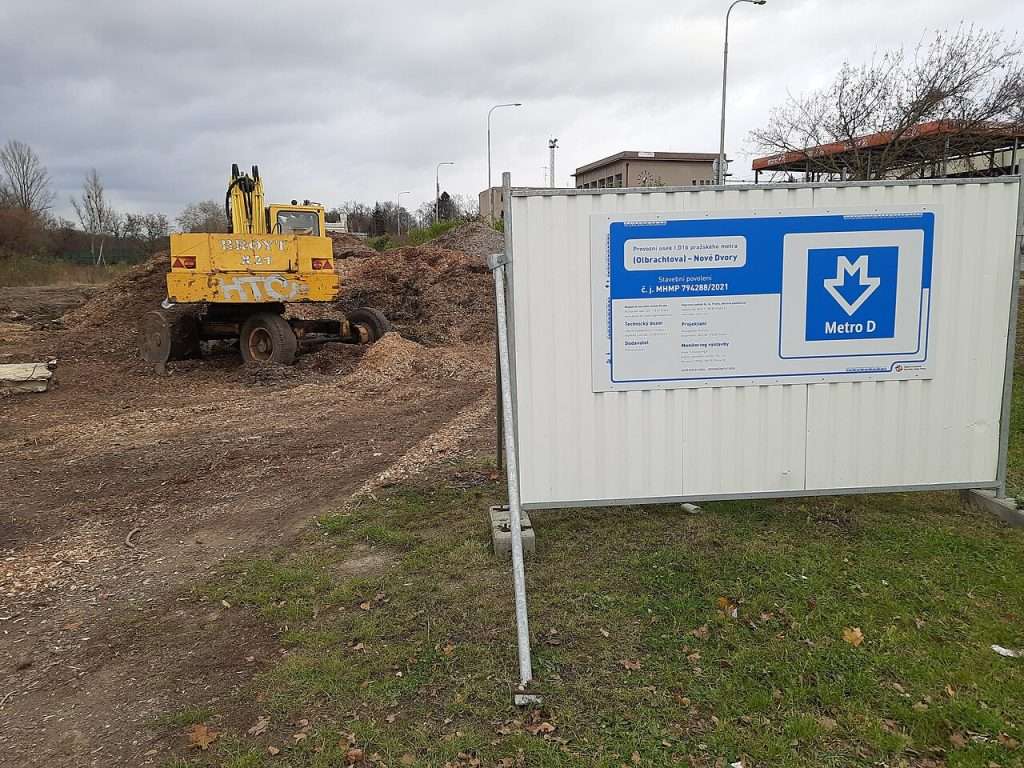
China has a large and active market for used machinery, from second-hand excavators and loaders to used CNC machines, injection molding machines and complete production lines. As Chinese factories upgrade their equipment, many machines in good condition become available at prices far below new. For overseas buyers, used machinery from China can be a smart investment, but it carries more risk than buying new. This guide explains what to check before importing used machinery from China.
1. Check your country’s import rules for used machinery first
Many countries regulate the import of second-hand equipment. Depending on your destination, there may be:
- Age limits for used machinery or vehicles.
- Requirements for a pre-shipment inspection certificate from an approved agency.
- Import licences or special approvals for used goods.
- Strict cleanliness rules for used construction and agricultural equipment, which must be free of soil, plant material and contamination.
- Safety and emission requirements that also apply to used equipment.
Confirm these requirements with your customs broker or authority before you start looking. They can rule out certain machines entirely.
2. Where used machinery comes from in China
- Factories replacing or upgrading equipment.
- Equipment dealers and used machinery markets that collect, refurbish and resell machines.
- Rental companies selling off their fleets, common for construction equipment.
- Auctions and closures of factories.
Dealers offer choice and can arrange export, but prices and descriptions vary widely. Buying directly from an end user can give better insight into how the machine was used.
3. Verify the machine’s history and condition
- Identity: model, serial number, year of manufacture and nameplate photos.
- Usage: operating hours for construction equipment and engines; spindle hours or cycle counts for machine tools and molding machines where available.
- Maintenance records and details of any major repairs or replaced components.
- Ownership: proof that the seller owns the machine and that it is free of liens or disputes.
- Refurbishment: what was repaired, replaced or only repainted. Fresh paint can hide wear and damage.
4. Inspect and test before you pay
Never buy used machinery based on photos alone. An independent inspection should include:
- Visual inspection for cracks, weld repairs, corrosion, leaks and missing parts.
- Running tests under load: engines, hydraulics, spindles, axes and controllers.
- For construction equipment: undercarriage wear, bucket and pins, boom cracks, engine blow-by and hydraulic performance.
- For machine tools: geometric accuracy checks, backlash, spindle noise and controller alarms.
- For injection molding machines: screw and barrel wear, clamping system, hydraulic pressure and temperature control.
- Video recordings of the machine running, with the serial number visible.
5. Consider the total cost
When comparing used and new machines, include inspection, dismantling, packing, inland transport, cleaning, freight, duties, reinstallation, repairs and spare parts. Older machines may also have limited parts availability and lower energy efficiency. In some cases, a new entry-level machine from China costs little more than a used one once all costs are counted.
6. Dismantling, packing and shipping
Used machines often need to be partly dismantled, drained of fluids, cleaned and protected for sea transport. Agree who is responsible for dismantling, labelling parts and loading, and ask for photos of each step. See our guide to shipping machinery from China.
Frequently asked questions
Is used machinery from China a good deal?
It can be, particularly for construction equipment and general-purpose machines in good condition. The key is independent inspection and a realistic total cost calculation.
Can used machines be refurbished before shipment?
Yes. Many dealers offer refurbishment. Agree in writing exactly what will be repaired or replaced, and inspect the work before shipment.
Do used machines need import certificates?
In some countries, yes. Check whether your destination requires a pre-shipment inspection certificate or other documents for used goods.
Buy used machinery with confidence
Supbon Sourcing helps buyers find used machinery in China, verify ownership and history, inspect and test machines, and arrange dismantling, cleaning and shipping. Read about construction machinery sourcing, import duties and HS codes or contact us for a free quote.