
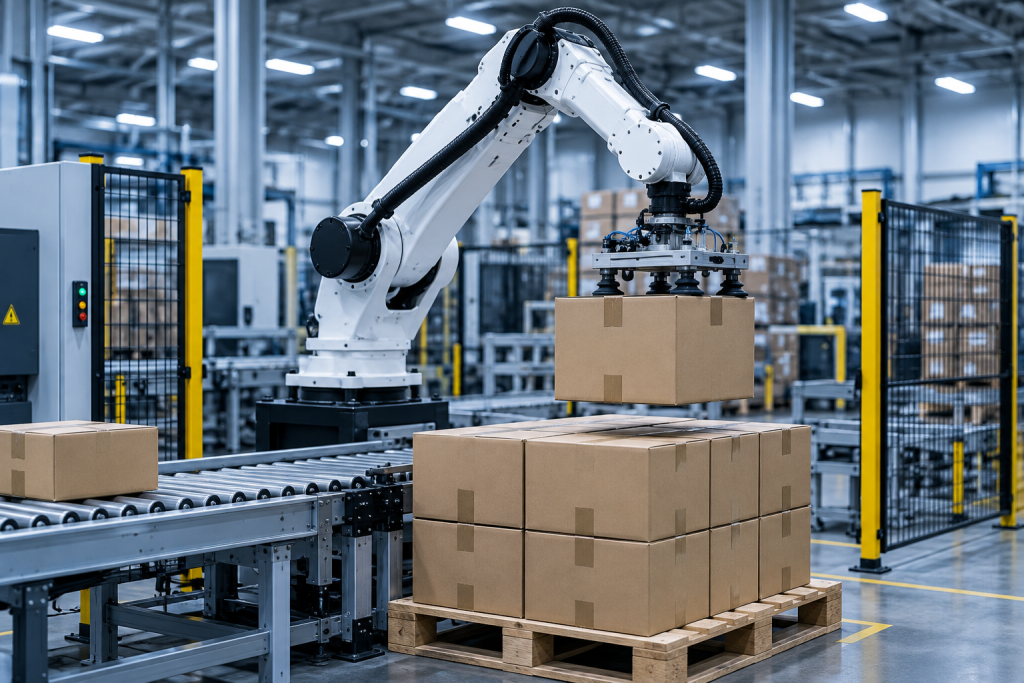
Not every production problem can be solved with a standard catalogue machine. Special product shapes, unusual materials, tight floor space or integration with existing lines often call for custom or non-standard equipment. China has a large ecosystem of engineering companies that design and build custom machines, fixtures and automated systems at competitive cost. Developing custom equipment is very different from buying a standard machine, though, and the risks are higher. This guide explains how to manage a custom machine project in China from specification to delivery.
1. Write a clear user requirement specification (URS)
A user requirement specification describes what the machine must achieve, not how it should be built. It is the foundation of the project and the reference for acceptance. A useful URS includes:
- Product description, drawings, materials, tolerances and all variants the machine must handle.
- Required output, cycle time, uptime and acceptable reject rate.
- Process steps and quality checks the machine must perform.
- Interfaces with upstream and downstream equipment, including mechanical, electrical and data connections.
- Utilities, floor space, operator requirements and changeover expectations.
- Safety standards, certification and documentation required in your market.
- Preferred brands for key components such as PLCs, servo drives, sensors and pneumatics.
2. Choose the right development partner
Custom equipment suppliers range from small workshops to experienced engineering firms. Look for:
- An in-house mechanical, electrical and software engineering team.
- Previous projects with similar processes or products, ideally with references.
- Machining, assembly and testing facilities that match the size of your machine.
- A structured project management approach with milestones and design reviews.
- Willingness to provide drawings, electrical schematics and program backups.
Read our guide on how to verify a Chinese machinery supplier before shortlisting.
3. Agree the design before manufacturing
For custom equipment, the design stage is where most risk can be removed. Ask for a concept proposal with layout drawings and process description, and for complex projects a 3D model or simulation. Hold a design review before any steel is cut. Confirm how the machine will handle each product variant, how operators will load and unload it, and how it will be maintained and cleaned.
4. Protect your intellectual property
- Sign a non-disclosure agreement before sharing detailed product information.
- Agree in the contract who owns the design, drawings, software and tooling.
- Share only the information the supplier actually needs for each project stage.
- Consider registering important designs or trademarks in China where relevant.
5. Structure the contract and payments around milestones
Custom projects work best with payments tied to milestones, for example: deposit at order, payment after design approval, and the balance after a successful factory acceptance test. The contract should attach the URS and the approved design, define acceptance criteria and describe how changes to the scope will be priced and scheduled.
6. Monitor progress during build
Ask for regular progress reports with photos and videos of fabrication, assembly and wiring. Mid-project inspections help catch problems early, such as substituted components, poor welding or wiring practices, before the machine is complete.
7. Test thoroughly, then plan installation
Run the factory acceptance test with your real products and the agreed criteria. Test every product variant, changeover and fault scenario. After shipment, plan installation, commissioning and training, and agree on remote support and spare parts for the first years of operation.
Frequently asked questions
How long does a custom machine project take?
It depends on complexity. Simple fixtures or modified standard machines can be quick, while complete automated systems may take several months including design, build and testing. Agree a realistic schedule with milestones.
Is custom equipment from China more affordable?
Often it is, especially for engineering-intensive projects. The total cost should include design iterations, testing, shipping, installation and support, not only the purchase price.
What if the machine does not meet the specification?
Clear acceptance criteria and milestone payments give you leverage: the supplier should correct issues and repeat the test before the balance is due.
Develop custom equipment with Supbon Sourcing
Supbon Sourcing helps buyers turn requirements into well-specified custom equipment projects in China. We shortlist capable engineering suppliers, coordinate design reviews, monitor the build, witness acceptance tests and manage shipping. Learn more about our custom industrial equipment sourcing service and automation sourcing guide.
Have a special machine in mind? Send us your requirements for a free assessment.