
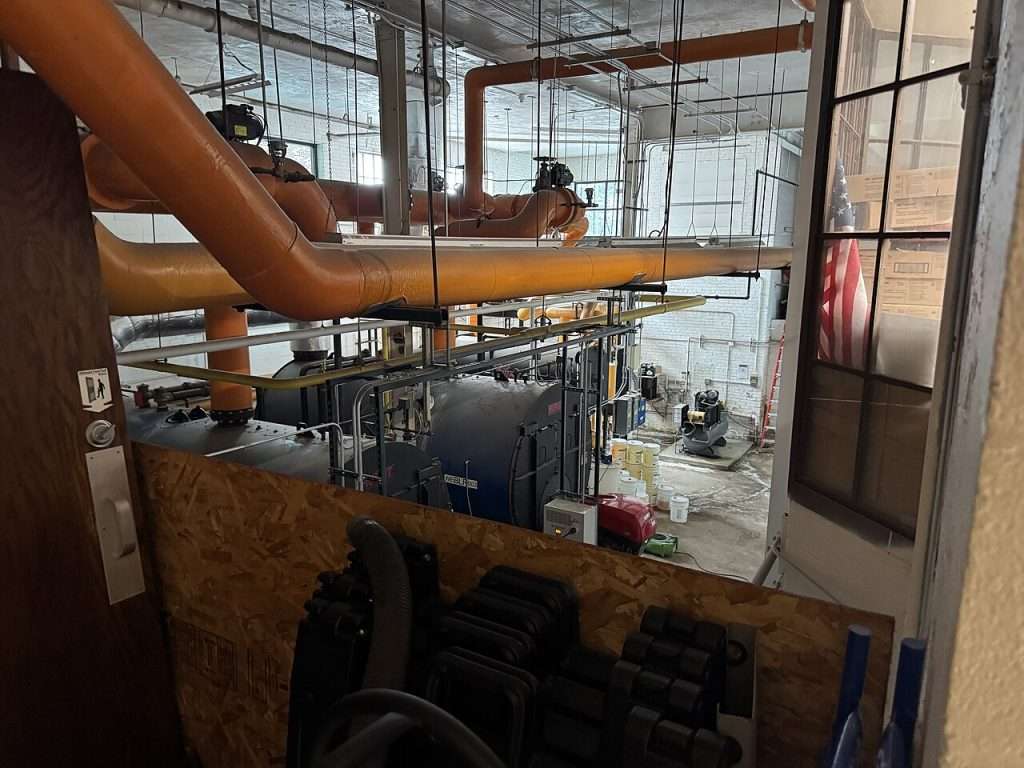
Industrial steam boilers and hot water boilers are core utilities for food plants, textile mills, chemical works, laundries, breweries and many other factories. China builds boilers in a very wide range, from small vertical gas-fired units to large coal, biomass and oil-fired water-tube boilers. Shandong province, where Supbon Sourcing is based, has a long-established boiler and pressure-vessel manufacturing base, which makes it a practical place to compare suppliers. Because a boiler is a pressure system, though, buying one is very different from buying a standard machine. This guide explains what to define, what to check and how to manage testing and shipping.
1. Specifications to define before you request quotes
Most quotation problems come from vague requirements. Give every supplier the same written specification:
- Type: steam boiler, hot water boiler or thermal oil heater; fire-tube (shell) or water-tube design; horizontal or vertical layout.
- Capacity and pressure: rated steam output (t/h or kg/h) or thermal output (kW/MW), design and working pressure, and steam temperature (saturated or superheated).
- Fuel: natural gas, LPG, diesel, heavy oil, coal, biomass pellets or wood chips. Supply a fuel analysis for solid fuels, because it affects grate, furnace and emission design.
- Site conditions: altitude, ambient temperature, feed water quality, available electrical supply (voltage, frequency) and space in the boiler house.
- Emission limits: NOx, SO2 and particulate limits in your country. These decide burner type and whether you need a dust collector or scrubber.
- Scope: burner, economizer, feed water pumps, water treatment, deaerator, chimney, control panel, piping and installation supervision.
2. Key components and quality points
The boiler body is only part of the system. Check each of these during supplier evaluation:
- Pressure-part materials: ask for material certificates for plates and tubes and check that the grades match the design code you have agreed.
- Welding: welder qualifications, welding procedure records and the extent of non-destructive testing (radiography or ultrasonic) on main seams.
- Burner: confirm the brand, model and turndown ratio. Many Chinese builders fit imported or domestic burners; make sure spare parts and service are available in your market.
- Safety accessories: safety valves, water level gauges, low-water cut-offs, pressure switches and flame supervision should be specified and certified, not just “included”.
- Controls: PLC or controller brand, language of the HMI, remote monitoring options and interlocks.
- Insulation and cladding: thickness and material affect efficiency and surface temperature.
Before you shortlist anyone, verify that the supplier is a real manufacturer with its own fabrication and welding workshop rather than a trading company.
3. Compliance and safety
Boilers are among the most regulated products you can import:
- In China, boilers are classed as special equipment, and manufacturers need a special equipment manufacturing licence covering the boiler class they build. Ask to see it and check its scope.
- Your own market will usually require its own conformity route, for example the Pressure Equipment Directive and CE marking in the EU, ASME code construction in many other markets, or a local registration and inspection by an authorised body.
- Agree the design code in the contract and confirm the supplier can actually produce documentation to that code. Not every Chinese boiler factory can build to ASME or PED.
- Ask for the full documentation package: design calculations, drawings, material certificates, NDT reports, hydrostatic test report, safety valve certificates and operating manuals in English.
4. Testing before shipment (FAT)
A structured factory acceptance test is essential. Typical checks include:
- Witnessing the hydrostatic pressure test of the boiler body and recording the test pressure and holding time.
- Reviewing NDT reports and checking weld appearance.
- Dimension and nozzle orientation checks against the approved drawing.
- Control panel function test: interlocks, alarms, low-water cut-off and burner sequence (where a test bench allows it).
- Checking nameplates, labels and that all accessories on the packing list are present.
Combine the FAT with our during-production and pre-shipment inspection so that problems are found before the boiler is painted and insulated.
5. Shipping and installation
- Small packaged boilers fit in containers; larger shell boilers often need flat rack or break bulk shipping. Confirm dimensions and weight early.
- Seal all openings, protect gauges and instruments, and pack loose accessories in marked crates.
- Plan for local installation, water treatment, commissioning and the first inspection by your authority.
See our guide to shipping machinery from China for container, flat rack and Incoterm options.
Frequently asked questions
Can a Chinese boiler be used in Europe or North America?
Yes, if it is designed, built and documented to the code your market requires and passes local registration. Confirm this before ordering, because retrofitting documentation afterwards is rarely possible.
Should I buy the water treatment system from the same supplier?
It is often convenient, because feed water quality directly affects boiler life. You can also source it separately; see our guide to water treatment equipment from China.
What is the most common sourcing mistake with boilers?
Comparing quotes on price per ton of steam without checking that scope, burner, accessories and design code are the same. Line-by-line comparison avoids this.
Source industrial steam boilers with Supbon Sourcing
Supbon Sourcing is a machinery sourcing agent in Jinan, Shandong. We help overseas buyers prepare specifications, find and verify boiler manufacturers, compare quotations, follow production and arrange inspection and shipping. Learn more about our custom industrial equipment sourcing service.
Planning a boiler project? Contact Supbon Sourcing with your capacity, fuel and pressure requirements and we will help you find suitable suppliers in China.