
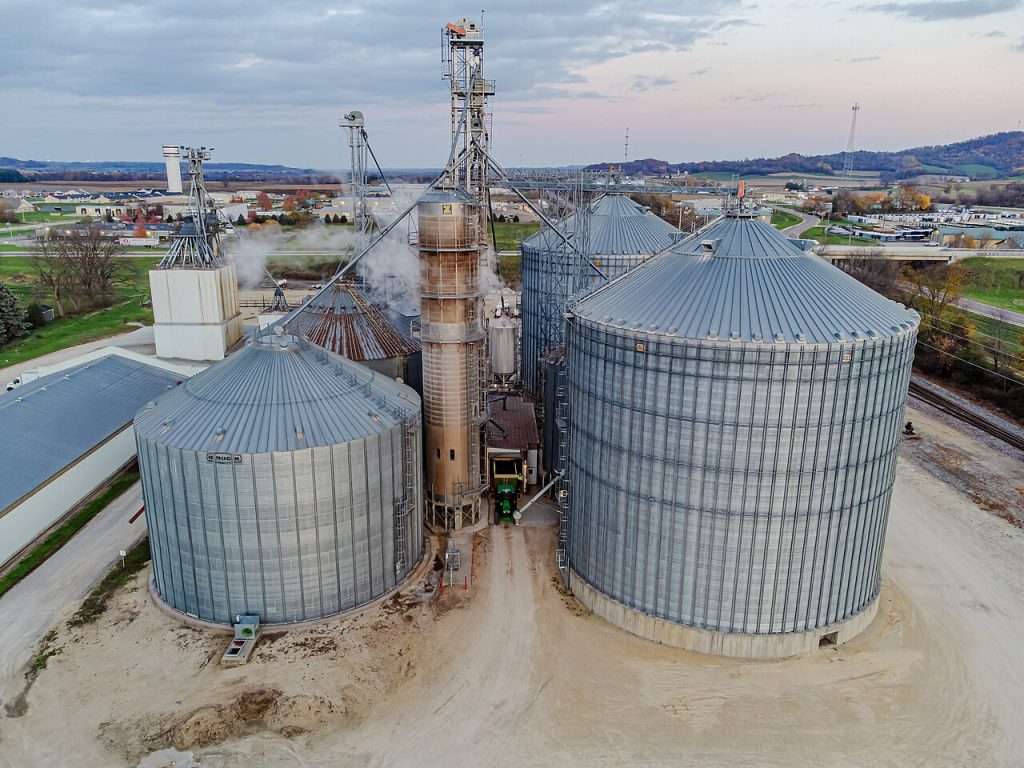
Post-harvest storage is where many farms, cooperatives, feed mills and grain traders lose money. A reliable grain dryer and well-built steel silos protect quality and let buyers sell when prices are better. Chinese manufacturers supply complete systems: tower and batch dryers, flat-bottom and hopper-bottom silos, bucket elevators, chain and belt conveyors, cleaners and control systems. Shandong is one of China’s major grain-producing provinces and also a large agricultural machinery manufacturing base, so there is plenty of local experience with drying and storing wheat and corn. This guide shows how to buy safely.
1. Specifications to define
- Crops: corn, wheat, rice/paddy, soybeans, sorghum or others. Each crop has different drying temperatures and airflow needs.
- Drying capacity: tons per day or per batch, plus initial and target moisture content. A dryer quoted for 25% to 14% corn will not reach the same output on wetter grain.
- Heat source: diesel, gas, biomass, coal, or hot air from a heat exchanger. Direct-fired and indirect-fired systems have different food safety implications.
- Storage volume: total tons, number of silos, flat-bottom or hopper-bottom, and grain bulk density used for the calculation.
- Site data: wind speed, snow load, seismic zone and soil conditions. These determine silo wall, roof and stiffener design and foundation size.
- Handling flow: intake rate, elevator and conveyor capacity, cleaning, weighing and truck loading.
- Electrical: voltage, frequency and whether you need a central PLC with temperature cables and aeration control.
2. Key components and quality points
- Silo steel: confirm sheet grade, thickness by ring, and zinc coating weight (for example in g/m²). Ask for mill certificates and check coating thickness with a gauge during inspection.
- Bolts and seals: high-strength galvanized bolts with sealing washers are critical to keep water out. Count and check them against the packing list.
- Dryer body: plate thickness, screen quality, insulation and access for cleaning. Poorly sealed columns waste heat and allow fines to build up.
- Burner or furnace: brand, controls and temperature monitoring. Grain must never be over-heated.
- Elevators and conveyors: belt and bucket quality, gear motors and bearings. See our conveyor system sourcing guide.
- Aeration and monitoring: fans, temperature cables and moisture sensors help keep stored grain in condition.
3. Compliance and safety
- Grain dust is combustible. Discuss dust control, explosion venting and grounding with the supplier and your local engineer, especially for elevators, dryers and enclosed galleries.
- Guarding on drives, ladders with cages or fall protection, platforms and railings must meet your local rules.
- For export to the EU, machinery parts of the system need CE conformity; electrical panels should be built to the standards your market uses.
- Structural calculations for silos should be checked against your local building codes, and foundation design is normally done by a local engineer using the supplier’s load data.
4. Testing before shipment (FAT)
Silos are shipped as kits, so most checks happen on parts rather than the finished structure. A sensible factory acceptance test and pre-shipment inspection cover:
- Sheet thickness and galvanizing measurements on random samples.
- Hole pattern and corrugation checks, plus trial assembly of a ring section where possible.
- No-load running of fans, elevators, conveyors and dryer discharge mechanisms.
- Control panel test, including temperature alarms and interlocks.
- Completeness check against a detailed packing list, because a missing bolt box can stop a whole installation.
5. Shipping and installation
- Silo sheets and structural parts usually ship in 40ft containers; long legs and tall dryer sections may need open-top or flat rack containers.
- Protect galvanized sheets from moisture in transit to avoid white rust, and label every bundle by silo and ring.
- Agree on installation supervision, drawings and assembly manuals in English before you pay the balance.
Read our guides on export packing and container loading and shipping machinery from China.
6. How to evaluate grain storage suppliers
Many factories can cut and galvanize steel, but fewer have real experience designing complete drying and storage systems. When you shortlist suppliers, look for:
- Reference projects: installed systems of similar size and crop, ideally in a climate like yours, with photos and contact details where the supplier can share them.
- Engineering capability: an in-house team that can produce layout drawings, structural calculations and an equipment list matched to your intake and drying rates.
- Production equipment: roll-forming and punching lines for silo sheets, and a clear source for galvanized coil.
- After-sales support: spare parts lists, remote support and whether engineers can travel for installation supervision.
Our guide on how to verify a Chinese machinery supplier explains the background checks we use before recommending a factory.
Frequently asked questions
Can one supplier deliver the whole grain storage project?
Many Chinese silo factories offer turnkey systems including dryers, handling and controls. It simplifies interfaces, but you should still check each major component’s brand and specification.
How do I compare silo quotations?
Compare on net storage tons, steel thickness by ring, zinc coating, roof and wind/snow load design, and included accessories, not just price per ton of capacity.
Can I combine a silo order with a feed mill?
Yes. Many buyers combine storage with a feed pellet mill project so that intake, storage and processing are matched.
Source grain dryers and silos with Supbon Sourcing
From our office in Jinan, Shandong, Supbon Sourcing helps buyers define requirements, shortlist and verify manufacturers, compare offers, monitor production and arrange inspection and shipping. Learn more about our agricultural machinery sourcing service and our broader agricultural machinery buying guide.
Planning grain storage? Contact Supbon Sourcing with your crop, capacity and site details and we will help you find suitable suppliers in China.