
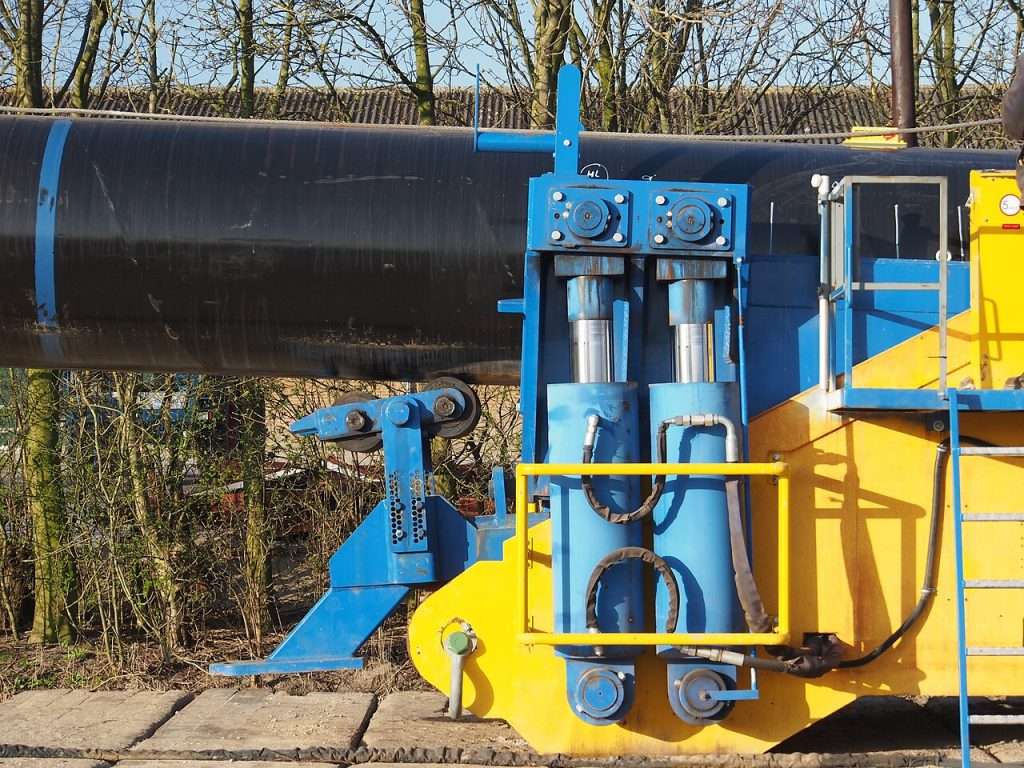
Tube and pipe bending machines are used to make furniture frames, exhaust systems, handrails, HVAC and refrigeration parts, automotive and motorcycle frames, fitness equipment and boiler tubes. Chinese manufacturers offer everything from manual and hydraulic benders to fully electric multi-axis CNC machines with automatic loading. Many buyers who already source laser tube cutting machines in Jinan add a CNC bender to build a complete tube-processing cell. This guide explains how to specify, evaluate and receive a tube bender from China.
1. Specifications to define
A bender is only as good as its match to your parts. Send suppliers real part drawings, not just a maximum diameter.
- Tube data: material (carbon steel, stainless, aluminium, copper), outside diameter range, wall thickness range and round, square or rectangular profiles.
- Bend geometry: centreline bend radius (CLR) for each part, minimum straight length between bends, maximum bend angle and number of bends per part.
- Machine type: hydraulic NC, hybrid servo-hydraulic or all-electric CNC; single-stack or multi-stack tooling; left, right or left-and-right bending.
- Axes: how many controlled axes (feed, rotation, bend, plus boost, pressure die assist, or mandrel extraction).
- Accuracy and cycle time: bend angle repeatability, rotation accuracy and target parts per hour.
- Automation: automatic loading, unloading, end-forming or integration with a cutting line.
2. Key components and quality points
- Tooling: bend die, clamp die, pressure die, wiper die and mandrel. Tooling quality decides wrinkling, ovality and wall thinning. Confirm who designs the tooling, the material and hardness, and how many tool sets are included.
- Servo motors and drives: brand and power rating for each axis.
- Controller and software: brand, language, ability to import 3D tube data or XYZ/YBC coordinates, springback compensation and collision simulation.
- Hydraulic system: pump, valves and cooling on hydraulic or hybrid machines. See our hydraulic components guide for what to look for.
- Frame and bed: welded and stress-relieved structure, guide rails and the clamping system’s rigidity.
3. Compliance and safety
- Tube benders have dangerous swing and pinch zones. Ask for light curtains, safety mats or fencing around the bending head, two-hand or foot controls where appropriate, and emergency stops.
- For the EU, the machine needs CE marking with a declaration of conformity and a technical file; for North America, check the electrical requirements of your local inspection authority.
- Specify voltage, frequency and the language for HMI and manuals in the contract.
4. Testing before shipment (FAT)
The best way to judge a bender is to watch it bend your parts. A factory acceptance test should include:
- Bending your actual sample tubes (send material to the factory if possible) with the ordered tooling.
- Measuring bend angles, ovality, wall thinning and wrinkle marks on the samples.
- Repeatability check: running a batch and measuring part-to-part variation.
- Testing all safety devices and emergency stops.
- Checking the control software, backups and spare parts list.
Our CNC machine buyer’s checklist also covers controller and documentation checks that apply to benders.
5. Shipping and installation
- Most benders fit in a 20ft or 40ft container; long-bed machines may need a 40ft high cube or open-top container.
- Secure the bending head and moving axes, drain or seal hydraulic systems as advised by the factory, and protect the control cabinet from moisture.
- Pack tooling in separate labelled crates with an inventory.
For more detail, read our guide on shipping machinery from China.
6. Comparing quotations and avoiding hidden costs
Two benders with the same maximum diameter can differ greatly in what is actually included. When comparing offers, put them side by side and check:
- Tooling scope: how many tool sets are included, for which diameters and radii, and the price of additional sets. Tooling for many part numbers can cost a significant share of the machine price.
- Mandrel and wiper dies: whether they are included, and for which tube sizes.
- Software options: 3D import, simulation and springback correction are sometimes sold as extras.
- Training and installation: whether remote or on-site commissioning is offered, and on what terms.
- Warranty: the period, what it covers and how spare parts are supplied. See our article on warranty and after-sales service.
Our guide on how to compare machinery quotations from Chinese suppliers gives a practical comparison method you can use for benders and other equipment.
Frequently asked questions
Do I need a mandrel bender?
For thin-walled tubes and tight radii, a mandrel is usually needed to prevent wrinkling and collapse. For thick-walled tube with a generous radius, a non-mandrel machine may be enough. Supplier engineers should confirm this from your drawings.
Is an all-electric CNC bender worth the higher price?
Electric machines usually offer better repeatability, quieter running and lower oil maintenance, which suits complex, high-mix parts. Hydraulic NC machines remain cost-effective for simpler, heavy-wall work.
Can tooling be ordered later from China?
Yes. Keep the tooling drawings and supplier details on file so new dies can be made for future part numbers. See our guide to sourcing machinery spare parts.
Source tube bending machines with Supbon Sourcing
Supbon Sourcing is based in Jinan, Shandong, a city with a strong sheet metal and laser equipment industry. We help buyers define tube bending requirements, compare manufacturers, check sample bends, follow production and organise inspection and shipping. Find out more about our metalworking machinery sourcing service.
Have tube drawings ready? Contact Supbon Sourcing and we will help you find the right bending machine in China.