
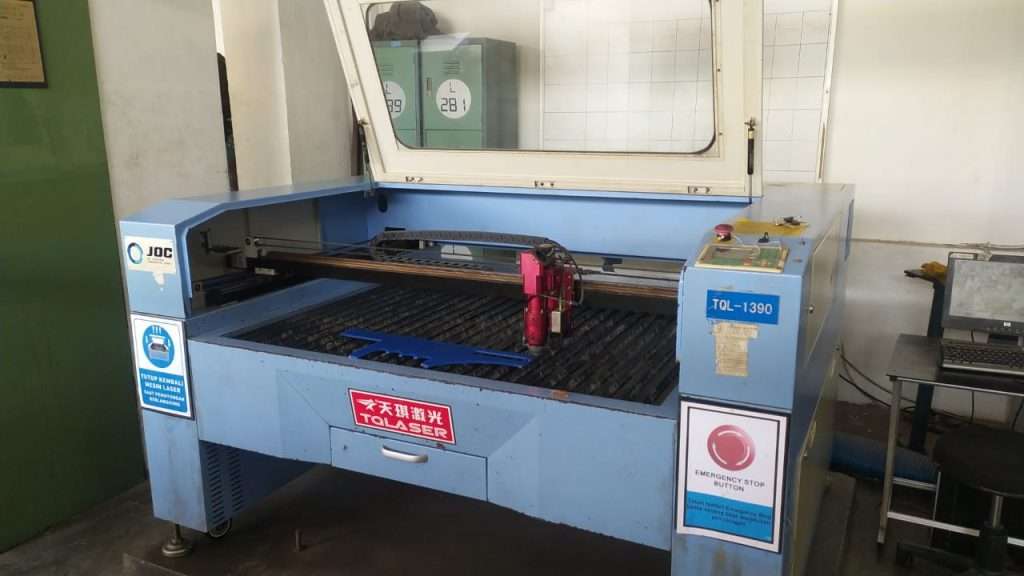
Fibre laser tube cutting machines have transformed tube and profile fabrication. One machine can replace sawing, drilling, punching and notching, producing finished parts for furniture, fitness equipment, racking, agricultural machinery, steel structures and vehicle frames. Jinan in Shandong is one of China’s leading production centres for laser tube cutters, with many manufacturers competing on price and technology. This guide explains how to choose and source a laser tube cutting machine from Jinan.
1. Define your tubes and profiles
- Shapes: round, square, rectangular, oval, D-shape, angle, channel, H-beam.
- Size range: minimum and maximum diameter or side length.
- Tube length (for example 6 m or 9 m) and maximum weight per metre.
- Materials and wall thickness: carbon steel, stainless steel, aluminium, galvanised tube.
- Typical parts: holes, slots, notches, bevels for welding preparation.
If you also cut a lot of flat sheet, compare a dedicated tube laser with a sheet machine plus tube attachment; see our guide on choosing fiber laser cutting machine power and bed size for the sheet side of that decision.
2. Machine design choices
- Chucks: two-chuck or three-chuck designs; three chucks reduce tailing waste and support long tubes better.
- Chuck type: pneumatic or electric, clamping range and automatic centring.
- Loading: manual, semi-automatic or bundle loader for high volumes; automatic unloading for long parts.
- Bevel cutting head: for weld preparation on thick tubes and structural profiles.
- Laser power: commonly 1.5 to 6 kW for tube work; higher for heavy profiles.
- Combined machines: sheet-and-tube lasers for workshops with mixed work, though dedicated machines are usually faster.
3. Key components
- Laser source brand (Chinese or imported) and warranty.
- Cutting head brand, auto-focus and collision protection.
- Servo motors and drives, rack and guide quality.
- CNC controller and tube nesting software, including 3D part import (for example from STEP files).
- Chiller, voltage stabiliser, fume extraction and dust collection. See our dust collector guide.
4. Test before you pay
- Send your 3D part files and tube samples or specifications.
- Check cut quality, hole positions, intersection cuts and bevels.
- Measure accuracy over full tube length, especially for long and thin tubes.
- Check loading and unloading reliability and tailing length.
- Verify brands of the laser source, head, motors and controller.
See our laser machine pre-shipment inspection checklist.
5. Shipping and installation
Tube lasers are long machines. A 6 m machine with loader may need a 40ft container or an open-top container, depending on the design. Plan workshop space, power supply and compressed air. Most Jinan factories offer remote installation support or engineer visits. See shipping machinery from China.
Frequently asked questions
Why buy a tube laser in Jinan?
Jinan has many experienced manufacturers and a strong local supply chain, which keeps prices competitive and lets you compare several factories in one trip. See our Jinan machinery industry guide.
How long is the lead time?
Standard tube lasers often ship within 20 to 40 days; machines with bundle loaders or special options may take longer.
Do you also source sheet laser cutters and press brakes?
Yes. See laser equipment in Jinan and press brakes.
Source a laser tube cutter with Supbon Sourcing
Supbon Sourcing is based in Jinan. We shortlist tube laser factories, compare configurations, attend test cuts with your parts and inspect machines before shipment. Learn more about our metalworking machinery sourcing service.
Thinking about a tube laser? Send us your tube sizes and parts for a free quote.