
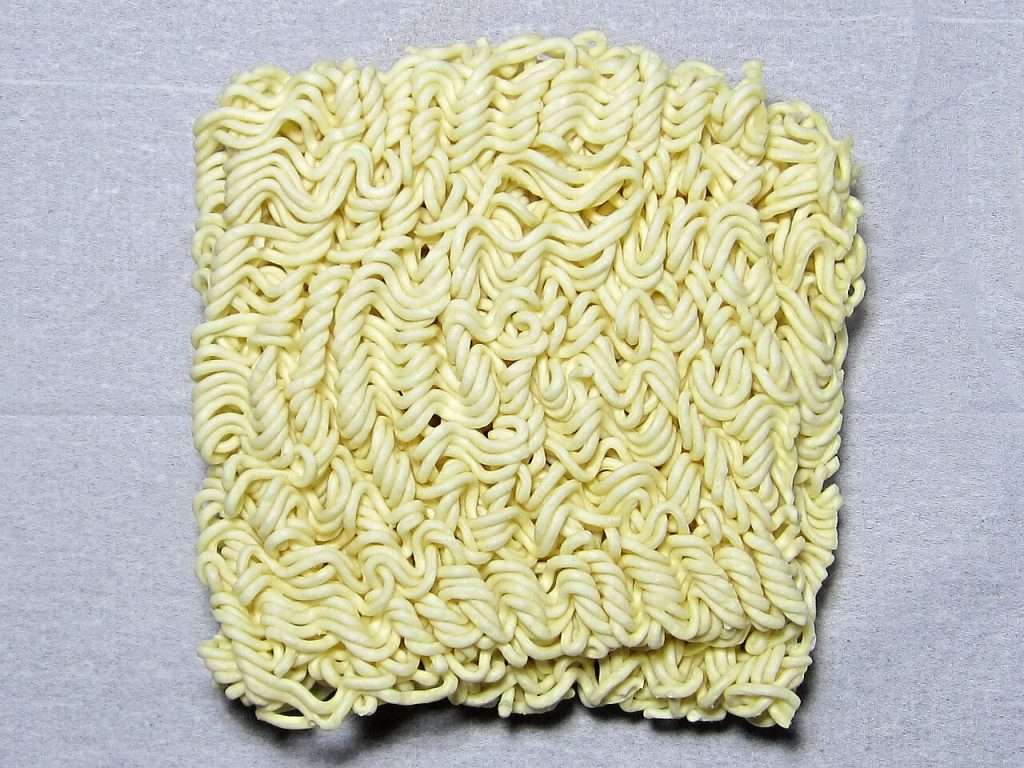
Noodles look simple, but a commercial noodle line is a chain of closely linked steps: mixing, resting, sheeting, cutting, cooking or drying, cooling and packing. A weakness at any one step shows up as broken strands, uneven texture or a short shelf life. China has a deep base of noodle equipment builders, and wheat-growing provinces such as Shandong and Henan have long-established flour and noodle industries, so buyers have plenty of choice. The difficulty is matching the right line to your product and checking that it really performs. This guide explains what importers, distributors and food factories should look at before ordering. For the wider category, see our food processing machinery sourcing guide.
Types of noodle production lines
- Fresh noodle lines: mixing, sheeting and cutting, often followed by chilled or modified-atmosphere packing. Compact and usually the easiest entry point.
- Stick (hanging) dried noodle lines: sheeted noodles are hung on rods and dried slowly in a long, climate-controlled tunnel.
- Fried instant noodle lines: steaming, cutting and portioning, frying in a continuous fryer, then cooling and packing.
- Non-fried instant noodle lines: hot-air drying replaces the fryer, giving lower oil content but needing longer drying.
- Pasta extrusion lines: vacuum extruders with interchangeable dies for short-cut and long pasta, followed by pre-drying and final drying.
- Rice noodle and vermicelli lines: soaking, grinding, gelatinising and extruding. These use different equipment from wheat lines, so do not assume one line can do both.
What to specify in your inquiry
- Finished product: type, width, thickness, portion weight and target moisture.
- Real output in kg per hour of finished product, and the number of shifts per day.
- Your flour: protein level, ash and any added starch, egg or vegetable ingredients.
- Degree of automation, from manual dosing to automatic flour feeding and brine dosing.
- Heat source for steam and frying: steam boiler, gas, thermal oil or electricity.
- Voltage, frequency, available floor plan and ceiling height.
- Packing format, such as pillow bag, cup or bundle. Many buyers source this alongside a packaging machine so that the line and the packer are matched.
Key quality points
- Mixer: vacuum mixing can improve dough hydration. Check seals, paddle design and accurate water or brine dosing.
- Sheeting rollers: roller hardness, surface finish and gap adjustment decide sheet consistency. Ask about material and how the rollers are synchronised.
- Slitter and cutting units: check that width changes are practical and that replacement cutters are available.
- Steamer and fryer: look for even temperature along the length, good oil filtration and easy cleaning access.
- Dryer zoning: temperature and humidity control by zone matters most on dried noodles and pasta, because drying too fast causes cracking.
- Food-contact materials: confirm stainless steel grade in writing, including belts, hoppers and fasteners above the product.
- Controls: ask for the PLC, inverter and sensor brands, and for an English interface.
Food safety and compliance
- Check the food-contact rules of your market, such as EU framework rules or US FDA requirements, and ask for material declarations.
- For Europe, the machine usually needs CE marking under the Machinery rules, with guarding, emergency stops and a proper technical file. Our guide to CE marking for imported machinery explains what to request.
- Design for hygiene: no dead corners, sloped surfaces, removable guards and drainage for wash-down.
- Continuous fryers need fire protection and proper fume extraction. Confirm what is included and what local codes require.
- If you buy a boiler for steam, it may need separate pressure-equipment approval in your country.
Testing before shipment
A noodle line should be run with real dough, not just powered on. Agree the test plan in the contract and hold a factory acceptance test before final payment. Useful checks include:
- A trial run with flour close to yours, ideally the same specification, for long enough to reach steady state.
- Measured output, strand width and thickness, portion weight variation and final moisture.
- Oil content and cooking quality for instant noodles.
- Synchronisation between sections, plus emergency stops and interlocks.
- A complete check of materials, parts list and manuals against the contract.
Shipping, installation and spares
- Long tunnels and fryers are often shipped in sections. Ask for a container loading plan and a layout drawing early. See our guide to shipping machinery from China.
- Protect stainless steel surfaces and electrical cabinets from moisture during sea freight.
- Agree how installation and commissioning will be handled, including who pays for engineer travel and how long they will stay.
- Order wear parts with the machine: cutters, belts, seals, sensors and filter elements.
- Lead times are often a few months for custom lines, but always confirm with the supplier.
Frequently asked questions
Can one line make several kinds of noodles?
Some lines can change width and thickness or switch between similar products by changing cutters and settings. Fried, non-fried and dried noodles need different downstream sections, so plan for product flexibility before you confirm the layout.
Should I buy a full line or individual machines?
A full line from one responsible supplier makes matching and accountability simpler. Buying separate machines can suit a factory upgrading one section, but someone must take responsibility for how the sections work together.
What should I send to get an accurate quotation?
Send a product sample or photos, target output, flour specification, packing format, factory layout and power supply. The clearer these details are, the easier it is to compare offers fairly.
Source a Noodle Production Line with Supbon Sourcing
Supbon Sourcing is a China machinery sourcing agent based in Jinan, Shandong. Through our food processing machinery sourcing service, we can help you shortlist suppliers, compare specifications, follow production and arrange inspection before shipment. You may also find our guides to bakery equipment and snack food lines useful.
Contact Supbon Sourcing with your product details and target output to discuss your noodle line project.