
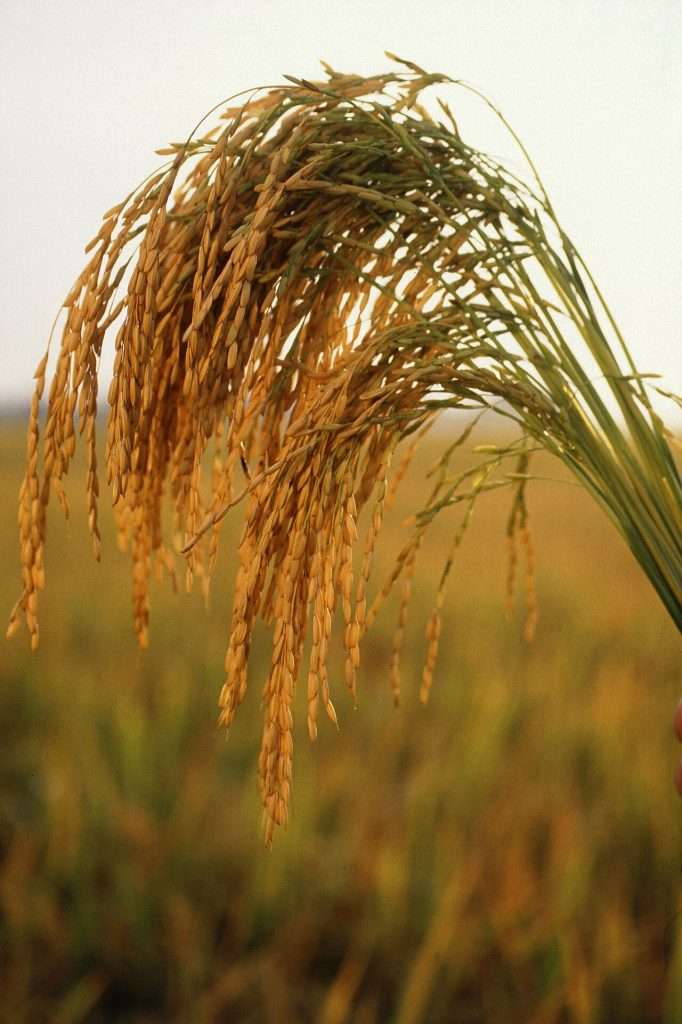
A color sorter, also called an optical sorting machine, uses cameras and fast air ejectors to remove discolored, damaged or foreign particles from a product stream. Rice mills, bean and pulse processors, nut and seed plants, coffee and tea producers, and plastic recyclers all use them. China is a major producer of color sorters, and the city of Hefei in Anhui province is widely known as a center of the industry. Prices and performance differ a great deal between models, so testing with your own product is essential.
Types of color sorters
- Chute-type sorters: product slides down inclined channels past the cameras. Common for rice, wheat, beans, sesame, seeds and other free-flowing granules. Capacity scales with the number of chutes.
- Belt-type sorters: product is carried on a flat belt, which suits fragile, irregular or larger items such as nuts, dried fruit, raisins, vegetables and some frozen products.
- Multi-stage sorters: primary, secondary and sometimes tertiary sorting in one machine to recover good product from the reject stream.
- Specialized sorters: for tea leaves, plastics flakes, ores and minerals, with different lighting and camera setups.
Camera and detection technology
- Full-color (RGB) CCD or CMOS cameras for color and shade defects.
- Higher-resolution cameras for small defects, such as spots on rice or sesame.
- Shape sorting software to remove broken kernels or odd-shaped particles.
- Infrared (IR/NIR) cameras on some models to detect foreign material, such as stones, glass or shell, that is a similar color to the product. Confirm exactly what the model can detect.
- Front and rear cameras to see both sides of the particle.
What to specify
- Product type, size range, moisture and typical defect types, with photos.
- Required capacity in tonnes per hour, and the incoming impurity percentage.
- Target sorting accuracy and acceptable carry-over ratio (good product lost to rejects).
- Compressed air: the sorter relies on clean, dry air. Confirm the air consumption and whether a compressor, dryer and filters are included. See our air compressor guide.
- Power supply, operating language on the touchscreen, and remote support needs.
- Where the sorter sits in your line, for example after a rice mill or a peanut and nut processing line.
Key quality points
- Ejector valves: the fast solenoid valves are the heart of the machine. Ask about their rated life and the cost of replacements.
- Lighting: stable LED lighting with consistent output; check the stated service life.
- Feeding system: even vibratory feeding is critical for accuracy.
- Software: easy recipe setup, saved programs for different products, and clear reject statistics.
- Dust and cleaning: automatic glass cleaning and dust-proof camera housings matter in grain plants.
- Food contact: stainless steel chutes or food-grade belts for food products.
Safety and compliance
- CE marking for the EU, including electrical safety and EMC.
- Food-contact material compliance for chutes and belts.
- Dust control and housekeeping guidance, especially in flour and grain environments.
- Guards on vibrators and belts, and a clear emergency stop.
Testing before shipment
The most important step is a sorting test with your real product. Send a sample of a few kilograms (or more if the supplier asks), including typical defects. Ask the supplier to:
- Run the sample on the exact model and configuration you will buy, and film the whole test.
- Report input impurity, output purity, and the amount of good product in the reject stream.
- Return the sorted output, the reject and a reference sample if you need to check them yourself.
At the machine’s factory acceptance test, also check the camera calibration, valve function, air pressure stability and saved programs.
Shipping, training and spare parts
- Color sorters are compact but sensitive. Use strong crates, moisture protection and fix the feeding system for transport. See shipping machinery from China.
- Ask for remote setup support and training videos; many suppliers can adjust parameters online.
- Spares to order: ejector valves, LED lights, filters, vibrator parts and a spare control board if the budget allows. See our spare parts guide.
- Standard models are often available in a few weeks; confirm lead time with the supplier.
Frequently asked questions
Can one color sorter handle different products?
Often yes, by changing programs and sometimes chutes or settings. But a machine optimized for rice may not perform as well on large nuts. Test each product you plan to sort.
Will a color sorter remove stones?
It can remove stones that differ in color. For stones of a similar color, you may need an infrared model or a separate destoner. Ask the supplier exactly what the test showed.
How important is compressed air quality?
Very important. Oil, water or dust in the air can damage ejector valves and reduce accuracy. Plan for a suitable compressor, air dryer and filters.
Source color sorters with Supbon Sourcing
Supbon Sourcing, based in Jinan, Shandong, helps overseas buyers source machinery from China. We can arrange sample sorting tests, compare suppliers and check machines before shipment. Learn about our agricultural machinery sourcing and food processing machinery sourcing services, or contact us with your product and capacity.