
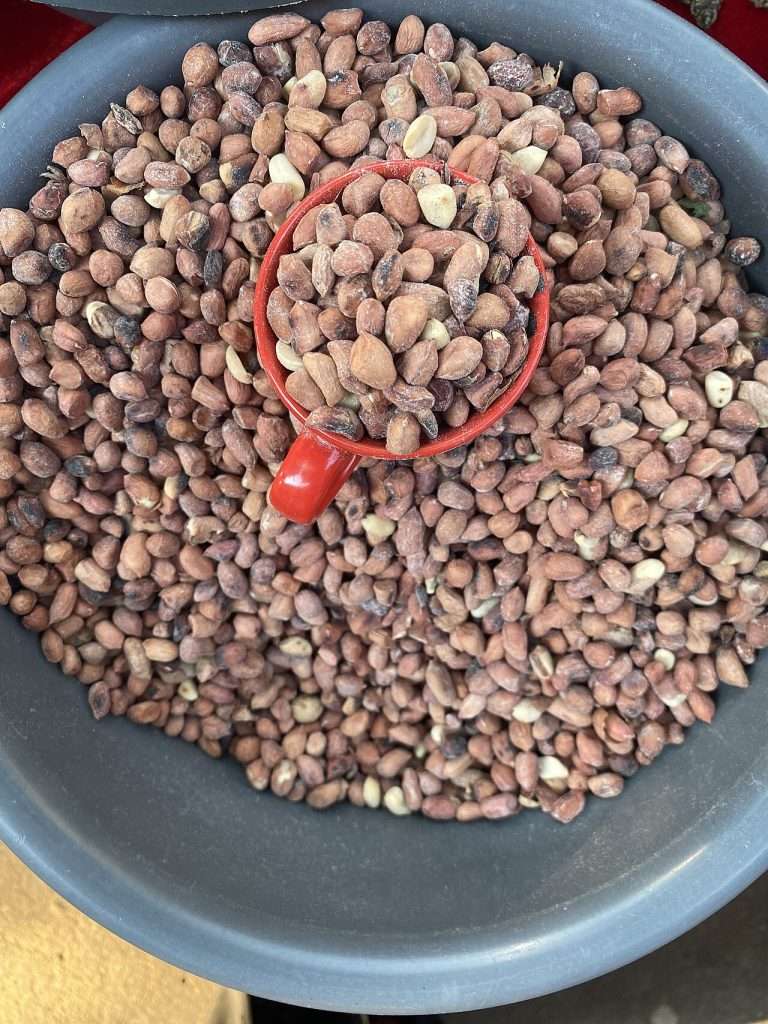
Peanuts, almonds, cashews, walnuts and other nuts are processed into a huge range of products: roasted snacks, coated nuts, peanut butter, nut pastes, chopped nuts for bakeries and oil. China has a large peanut industry, and Shandong is one of the country’s main peanut-growing provinces, so many equipment makers have long experience building roasting, blanching and grinding machines. This guide explains how to source peanut and nut processing machinery from China and avoid common mistakes.
Types of peanut and nut processing machinery
- Shelling and cleaning: peanut shellers, destoners, gravity separators and size graders that prepare raw kernels.
- Roasting: batch drum roasters for smaller operations and continuous belt or drum roasters for high output, heated by gas, electricity or thermal oil.
- Cooling: cooling trays or cooling conveyors to stop roasting quickly and keep color consistent.
- Peeling and blanching: dry peelers for roasted peanuts and wet peelers for blanched kernels, plus half-splitting machines.
- Grinding and paste: colloid mills and stone or ball-type grinders for peanut butter, sesame paste and nut pastes, often followed by mixing, deaeration and filling.
- Frying and coating: continuous fryers, coating drums, seasoning tumblers and dryers for coated and flavored nuts. For smaller volumes a batch fryer may fit better; our batch vs continuous fryer guide compares the two.
- Cutting: nut choppers, slicers and dicers that make pieces for bakery and confectionery use.
- Sorting and packing: optical color sorters, weighers and bagging machines.
What to specify before requesting quotes
- Raw material: nut type, kernel size, moisture and whether you start with in-shell or shelled nuts.
- Finished products: roasted, salted, coated, blanched, chopped or paste, and the texture and color you need.
- Capacity: kilograms per hour of raw input for each stage. Roasters, peelers and grinders must be matched so no machine becomes a bottleneck.
- Heating method: gas type and pressure, electric power available, or an existing thermal oil or steam system.
- Peanut butter details: target fineness, whether you add salt, sugar or oil, and whether you need cooling during grinding to protect flavor.
- Utilities: voltage, frequency and phase, compressed air and water supply.
Key quality points
- Roasting uniformity: ask how temperature is controlled and how evenly hot air moves through the bed. Uneven roasting causes burnt and pale kernels in the same batch.
- Peeling rate and breakage: request test results on nuts similar to yours and check how many kernels are split or broken.
- Grinder materials: food-contact parts should be suitable stainless steel. Ask about the material of grinding discs or stones and how they wear.
- Cleanability: nut oils and paste build up quickly. Look for easy access, smooth welds, few dead corners and removable parts.
- Burners and controls: ask for burner, temperature controller and electrical component brands in the quotation.
- Integration: conveyors, hoppers and elevators between machines should be included in the scope, not left as gaps.
Food safety, allergen and compliance issues
- Peanuts and tree nuts are major allergens. Design for full cleaning between products if you run different nuts on one line.
- Aflatoxin control depends mainly on raw material, storage and sorting. A good color sorter helps remove damaged and discolored kernels.
- Gas-fired roasters must meet the gas safety rules in your country. Confirm burner certifications early.
- Guarding, emergency stops and electrical safety should match your market. If you need CE marking, read our CE marking guide.
Testing before shipment
- Send your own nuts to the factory if possible and run a trial on each key machine.
- Check roast color, peeling rate, broken rate and paste fineness against agreed targets.
- Run the line for a continuous period, not just a few minutes, to check heat stability.
- Record video and take samples of the finished product.
See our factory acceptance test guide for a structured checklist.
Shipping and spare parts
- Most nut processing machines fit in standard containers. Larger continuous roasters may need careful loading plans.
- Protect stainless steel surfaces and control panels from moisture and impact during sea transport.
- Order spare parts with the line: peeling rollers, grinding discs, belts, bearings, seals, temperature sensors and heating elements.
- Confirm installation and training support, and whether remote video commissioning is available.
For logistics, read our guide to shipping machinery from China. If you also plan snack lines or oil pressing, see our guides on snack food production lines and edible oil press equipment.
Frequently asked questions
Can one line process peanuts and other nuts?
Often yes, especially for roasting and packing, but peelers, cutters and grinders may need different settings or parts. Give the supplier a full list of nuts you plan to process before the design is fixed.
Is a batch roaster or a continuous roaster better?
Batch roasters offer flexibility for many products and smaller volumes. Continuous roasters suit high, steady output of a few products. Your product mix and daily volume should decide.
How fine can a Chinese peanut butter grinder make the paste?
It depends on the grinder type, the number of grinding stages and the recipe. Ask the supplier to confirm achievable fineness in writing and, ideally, to grind a test sample.
Source peanut and nut processing machinery with Supbon Sourcing
Supbon Sourcing is a China machinery sourcing agent based in Jinan, Shandong. We help overseas buyers identify nut processing equipment manufacturers, compare offers line by line, check technical details and arrange inspection and shipping. Learn more about our food processing machinery sourcing service.
Contact Supbon Sourcing with your nut types, products and capacity, and we will help you plan the right line.