
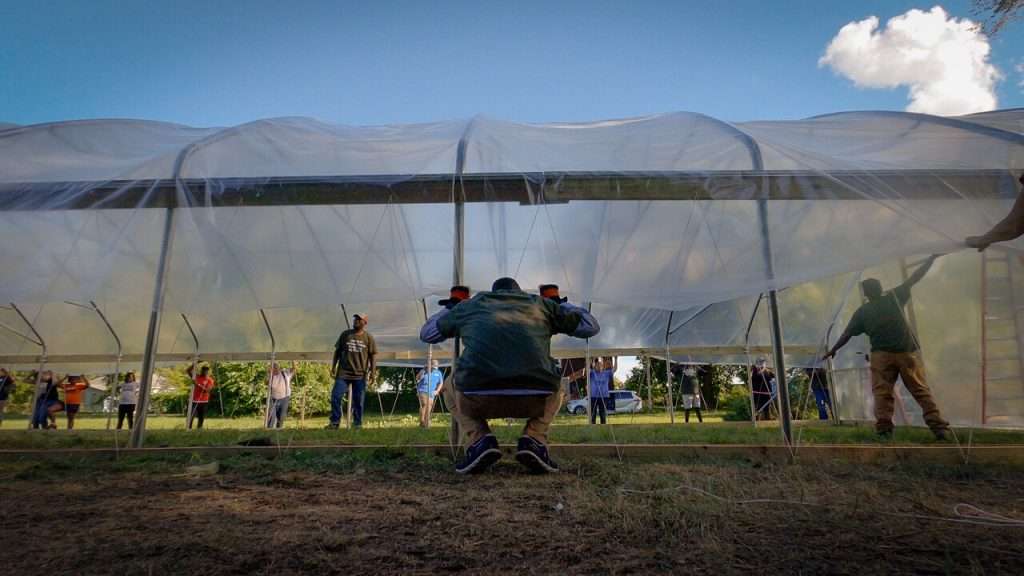
Protected cultivation lets growers extend seasons, raise yields and manage water more carefully, and demand for greenhouses keeps rising in both hot and cold climates. China has a very large protected-agriculture sector, and Shandong province – with Shouguang widely known for greenhouse vegetable production – has a strong base of greenhouse structure and equipment suppliers. For an overseas buyer, a greenhouse is not a single machine but a kit of steel, covering, ventilation, climate and irrigation systems that must suit the local climate. This guide explains the main options, what to specify and how to control quality before shipment.
Main greenhouse types
- Single-span tunnel greenhouses: simple arched steel tube frames with plastic film, popular for low-cost vegetable and nursery production.
- Multi-span film greenhouses: connected gutter-linked bays covered in single or double inflated film, giving large growing areas at moderate cost.
- Polycarbonate greenhouses: multi-wall polycarbonate sheets offer better insulation and durability than film.
- Glass greenhouses: Venlo-type structures with high light transmission for high-value crops and research.
- Shade houses and net houses: for tropical regions where shading and insect exclusion matter more than heating.
- Light-deprivation (blackout) greenhouses: with automated blackout curtains for photoperiod-sensitive crops.
Equipment and systems inside the greenhouse
- Ventilation: roof and side vents with rack-and-pinion or film roll-up motors.
- Cooling: exhaust fans with evaporative cooling pads, circulation fans and fogging systems.
- Shading and thermal screens: internal and external screen systems driven by gear motors.
- Heating: hot-water pipe systems, air heaters or boilers for cold climates.
- Irrigation and fertigation: drip lines, sprinklers, filters and fertiliser dosing units. See our irrigation equipment guide.
- Growing systems: hydroponic channels, gutters, benches and seedling trays.
- Lighting: LED grow lights for supplemental light.
- Climate control: sensors and a controller that coordinates vents, screens, fans, heating and irrigation.
What to specify in your inquiry
- Location and climate data: maximum wind speed, snow load, rainfall intensity, and summer and winter temperatures. These drive the structural design.
- Dimensions: total area, span width, bay length, gutter height and ridge height.
- Crop and growing method: soil, substrate or hydroponics, and whether crops such as tomatoes will hang loads on the structure.
- Covering: film thickness and UV-stabilised lifetime rating, polycarbonate thickness, or glass type.
- Steel: hot-dip galvanised steel, with the profile sizes, wall thickness and zinc coating specified.
- Systems required: which of the ventilation, cooling, heating, screening, irrigation and control systems are in scope.
- Power supply: voltage, frequency and phase for motors, fans and pumps.
- Foundation and installation: ask for foundation drawings and decide who will install the structure.
Key quality points to check
- Galvanising: hot-dip galvanising after fabrication generally protects better than thin pre-galvanised strip. Ask for coating thickness and measure it at inspection.
- Steel thickness: verify wall thickness of columns, arches and gutters against the quotation – a frequent area of cost-cutting.
- Structural calculation: a serious supplier can show design loads for wind and snow rather than a generic statement.
- Covering material: film from a known producer with stated UV life and anti-drip properties; polycarbonate with a UV-protected layer.
- Connectors and fasteners: galvanised or stainless bolts, clamps and film-lock profiles with springs.
- Motors and fans: gear motor brands, limit switches, fan blade material and cooling pad thickness.
- Gutters and sealing: gutter joints and sealing details determine whether the house leaks.
Safety and compliance
- Structural design should follow the wind and snow loads required by your local building rules; some countries require a local engineer’s approval or a building permit.
- Electrical panels, motors and heaters should match local electrical standards and carry the documentation your market needs.
- Glass and polycarbonate have fire and safety characteristics that may be regulated for public or retail greenhouses.
- Check import rules for any wooden packing and for plastic materials where applicable.
Inspection before shipment
Because a greenhouse ships as thousands of parts, a pre-shipment check focuses on materials, quantities and fit. As described in our guide to machinery quality inspection in China, ask for:
- Measurement of steel sizes, wall thickness and zinc coating on sampled parts.
- A trial assembly of at least one bay or section to confirm that holes and connectors align.
- Running tests on vent motors, fans, pumps and the control cabinet – similar in spirit to a factory acceptance test.
- A count of parts against the packing list, with clear labels on every bundle and carton.
- Photos of covering material labels and roll lengths.
Shipping and spare parts
- Steel is bundled and loaded in containers; long profiles should be planned to fit standard container lengths.
- Film rolls, polycarbonate sheets and cooling pads need protection from crushing and moisture; glass requires proper crates.
- Good loading plans reduce the number of containers. See our guide to export packing and container loading.
- Order extra film, film-lock springs, bolts, clamps, motor spares and drip fittings, since small missing parts can stop installation.
- Request installation drawings and an English assembly manual before shipment.
More on freight options is in our article on shipping machinery from China.
Frequently asked questions
Which covering is best: film, polycarbonate or glass?
Film is the lowest-cost option and is replaced periodically. Polycarbonate insulates better and lasts longer. Glass gives the highest light transmission and longest life but needs a stronger, more expensive structure. Climate, crop value and budget usually decide.
Can a Chinese supplier design for my local wind and snow loads?
Many can, if you give them the correct design values. Provide the figures from your local building code and ask for the calculation or design statement, and have it reviewed locally where permits are required.
Who installs the greenhouse?
Options include a local contractor working from the supplier’s drawings, or supplier technicians supervising on site. Agree the scope, cost and responsibilities in the contract before ordering.
Source greenhouse structures and equipment with Supbon Sourcing
Supbon Sourcing is a sourcing agent based in Jinan, Shandong – a province with a large greenhouse industry. We help overseas growers and distributors identify suitable manufacturers, compare specifications line by line, check steel and covering materials before shipment and coordinate loading through our agricultural machinery sourcing service. Send us your location, area and crop, and contact us to discuss your project.