
Meat processors, butchers, poultry farms and equipment dealers around the world buy machinery from China, from single grinders to complete slaughter and further-processing lines. Shandong, and Zhucheng in particular, is a well-known centre for food and meat machinery. Prices are competitive, but hygiene and safety requirements are strict, so buyers need to check more than the price. This guide explains how to source meat and poultry processing equipment from China.
1. Common equipment
- Size reduction: meat grinders, frozen meat flakers, bowl cutters and dicers.
- Mixing and marinating: paddle mixers, vacuum tumblers and brine injectors.
- Sausage making: vacuum fillers, clippers, linkers and smokehouses.
- Cutting: bone saws, slicers and portioning machines.
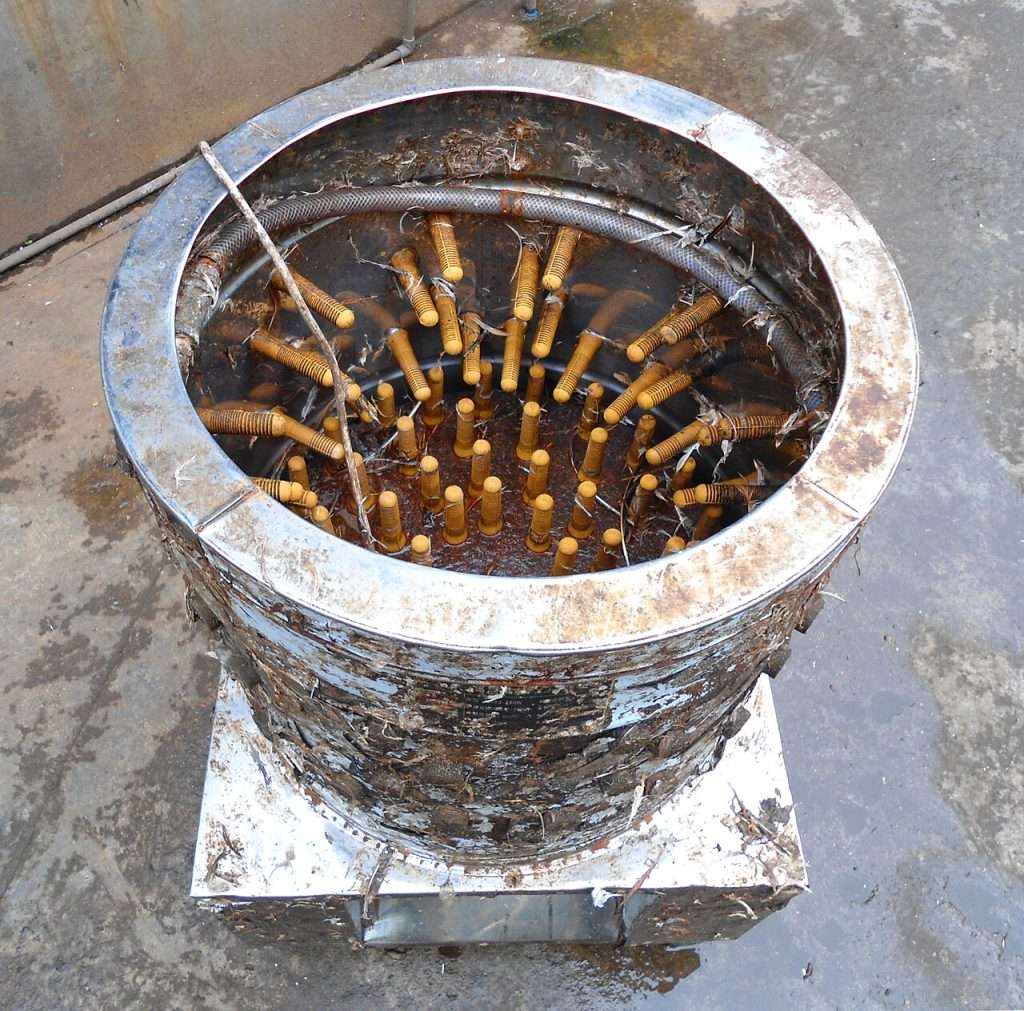
- Poultry lines: stunning, scalding, plucking, evisceration, chilling and cut-up.
- Red meat slaughter equipment: restraining, dehiding, splitting and rail systems.
- Cooking and packing: ovens, steam cabinets, fryers, vacuum and tray sealers. For fresh meat packs, our guide on thermoforming packaging machines vs tray sealers explains which suits your volume and formats.
2. What to prepare
- Products, species and daily output (for example birds per hour or kg per hour).
- Whether meat is fresh, chilled or frozen, as frozen meat requires stronger machines.
- Food safety rules and the standards that apply in your market, including any halal requirements.
- Building layout, with separation of clean and dirty areas.
- Utilities: power, steam, water, compressed air and refrigeration.
3. Hygiene and quality points
- Materials: SS304 or SS316 for food-contact parts, and food-grade plastics, seals and lubricants.
- Hygienic design: smooth welds, no dead corners, easy disassembly and washdown protection.
- Cutting parts: quality of knives, plates and bowl surfaces.
- Drives and electrics: motor brands, waterproof ratings and control panels.
- Safety: guards, interlocks and emergency stops, particularly on bowl cutters and grinders.
Ask for material certificates and test samples, as “stainless steel” alone does not tell you which grade you are getting. See CE marking for machinery from China for regulated markets.
4. Testing before shipment
- Run machines with real or similar material where the factory allows it.
- Check output, cutting quality, temperature rise and filling accuracy.
- Check welds and surface finish, and strip down parts for cleaning.
- Check guards and interlocks.
- Verify that the components match the contract, and check the packing.
See our factory acceptance test guide.
5. Lines, cold chain and support
For complete plants, ask for a process layout and agree who is responsible for connecting machines, rails and refrigeration. Cold storage is often needed. See cold rooms and refrigeration. Knives, plates, seals and casings are recurring needs, so plan parts supply. See spare parts sourcing and shipping machinery from China.
Frequently asked questions
Can I buy a few machines rather than a full line?
Yes. Many buyers start with a grinder, mixer and filler, and mixed orders can be consolidated into one shipment.
Can you source machines for distributors?
Yes. We help distributors find factories for a price-competitive range, check documents and inspect orders.
Do you source other food machinery?
Yes. See food processing machinery, bakery equipment and snack food lines.
Source meat processing equipment with Supbon Sourcing
Supbon Sourcing is based in Shandong. We help processors and dealers compare manufacturers, check hygiene and materials, inspect machines and manage shipping. Learn more about our food processing machinery sourcing service.
Equipping a meat or poultry plant? Send us your products and output for a quote.