
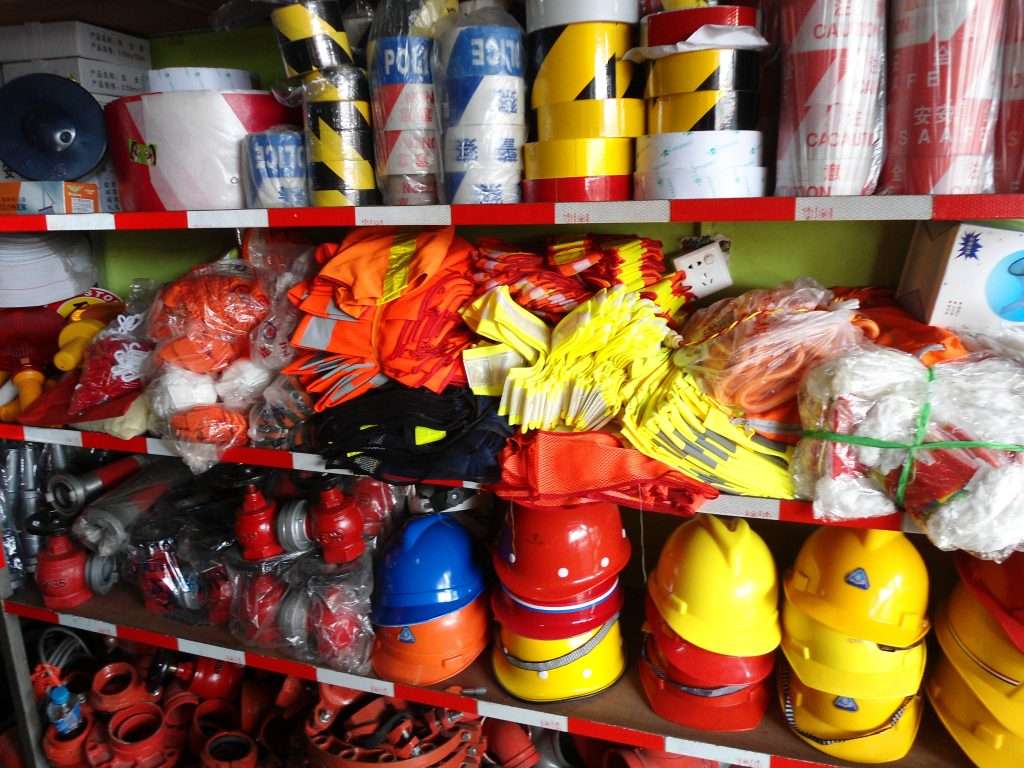
Personal protective equipment (PPE) such as safety helmets, safety shoes, work gloves, high-visibility clothing, safety glasses, hearing protection and respiratory protection is purchased in large volumes from China by distributors, contractors and industrial companies. Because PPE protects workers from injury, it is regulated in most markets, and buyers must make sure that what they import is genuinely compliant. This guide explains how to source PPE from China responsibly.
1. Know the regulations in your market
PPE requirements differ by country and product category. Many markets require products to meet specific standards and to carry certification marks backed by testing from recognised bodies. Before sourcing, confirm:
- Which standards apply to each product, for example helmet impact standards, glove protection levels or high-visibility classes.
- Whether third-party certification is mandatory and which bodies are accepted.
- Labelling, marking and user instruction requirements, including languages.
- Importer obligations such as documentation, traceability and record keeping.
If in doubt, consult a testing laboratory or compliance specialist in your market.
2. Verify certificates carefully
Fake or misapplied PPE certificates are a well-known risk. When a supplier provides certificates or test reports:
- Check that the certificate names the exact product model and the manufacturer, not just a similar product or a trading company.
- Verify the issuing body and certificate number directly with the issuer where possible.
- Check validity dates and the standard edition covered.
- Make sure the products you order are identical to the certified version in materials and construction.
3. Choose the right manufacturer
PPE manufacturing in China is specialised: helmets, footwear, gloves, garments and eye protection are usually made by different factories. Look for manufacturers with:
- Experience exporting to your market and certified products.
- Stable raw material sources and documented material specifications.
- In-house testing equipment and batch testing records.
- Quality management systems and production traceability.
4. Samples and specification sign-off
Order samples of the exact models and evaluate them for fit, comfort and quality. Approve a reference sample, along with labels, markings, user instructions and packaging, before mass production. Consider independent laboratory testing of samples for higher-risk products.
5. Inspection before shipment
- Compare products with the approved sample and specification.
- Check markings, labels, size information and user instructions.
- Check workmanship: stitching, seams, sole bonding, shell finish, reflective tape placement.
- Perform simple on-site tests where practical, and take samples for laboratory testing if needed.
- Verify quantities, size breakdown, packing and carton marks.
Frequently asked questions
Can I put my own brand on PPE from China?
Yes, many factories offer private label production. Be aware that certification may need to reflect your brand or importer details, depending on local rules.
What are typical MOQs?
They depend on the product and customisation. Custom colours, logos and packaging usually require larger quantities than standard items.
Can I combine several PPE products in one shipment?
Yes. Products from different factories can be consolidated in a warehouse in China and shipped together.
Source PPE with Supbon Sourcing
Supbon Sourcing helps distributors and industrial buyers find qualified Chinese PPE manufacturers, check certificates against the products ordered, inspect goods before shipment and consolidate mixed orders. You may also find our guides to tool sourcing, fastener sourcing and verifying Chinese suppliers useful.
Need safety products for your market? Contact us for a free quote with your product list and target standards.