
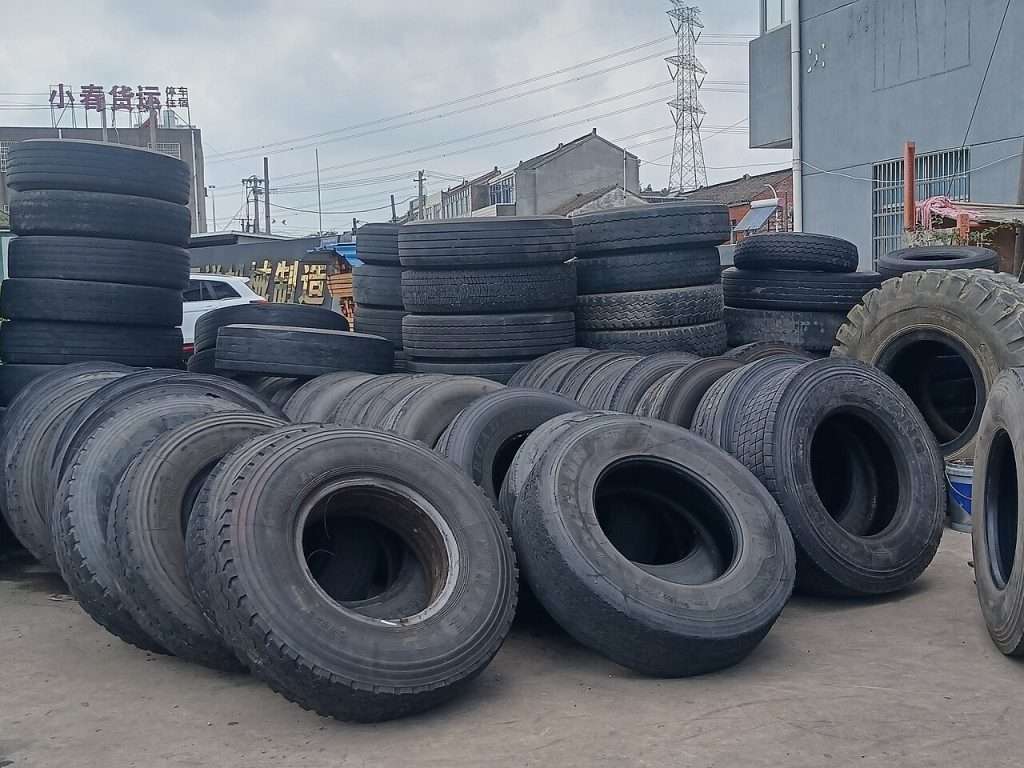
Waste tires are a problem in almost every country, and they are also a resource. They can be turned into rubber crumb for sports surfaces and moulded products, rubber powder for new rubber products, steel wire for recycling, and fuel or oil through pyrolysis. Chinese manufacturers, including many in Henan, Shandong and Jiangsu, supply complete tire recycling lines at many capacities. This guide explains how to source tire recycling machinery from China.
1. Typical tire recycling processes
- Pre-processing: bead wire removers and tire cutters for large tires.
- Shredding: double-shaft shredders that make tire chips or tire-derived fuel.
- Granulating: rasper and granulator machines that produce rubber crumb.
- Separation: magnetic separators for steel wire, and fibre separators.
- Fine grinding: rubber powder mills for fine mesh powder.
- Pyrolysis plants: convert tires into oil, carbon black, steel and gas. These need strict safety and environmental controls.
2. Define your project
- Tire types and sizes: car, truck or OTR tires.
- Input capacity in tonnes per hour or tonnes per day.
- End products and their size requirements: chips, 1 to 4 mm crumb, or fine powder.
- Your buyers for each product, since this determines the right line.
- Available power, which is often high, and the space and permits you need.
3. Key quality points
- Shredder blades and shafts: blade material and hardness, ease of resharpening, and shaft strength.
- Motors and gearboxes: brands and power. Overloaded gearboxes are a common failure.
- Screens and grinding parts: wear life and replacement cost.
- Steel separation: how clean the rubber is after separation.
- Dust collection and noise control. See our dust collector guide.
- Controls and overload protection.
4. Safety, environment and permits
Tire storage is a fire risk, and pyrolysis involves flammable gas and oil and high temperatures. Many countries require environmental permits for both, and some restrict pyrolysis. Check local rules before you order, and ask suppliers for safety features, emission control details and CE documentation where needed. See CE marking for machinery from China.
5. Testing before shipment
- Run the line, or the main machines, with real tires of your type.
- Measure throughput, product size and steel contamination.
- Check motor current, temperature and vibration under load.
- Check blade hardness and the materials of wear parts.
- Check that electrical cabinets, guards and emergency stops work.
See our factory acceptance test guide.
6. Running costs and spare parts
Blades, screens and grinding parts wear quickly, so ask for their expected life and price, and order spares with the line. Energy use is also a large cost. See spare parts sourcing and shipping machinery from China.
Frequently asked questions
What is the most common starter line?
Many projects start with shredding and rubber crumb production, which has simpler permits than pyrolysis.
Can I sell rubber crumb locally?
Markets vary. Typical uses include sports fields, playgrounds, rubber tiles and moulded products. Research demand before you invest.
Do you source other recycling equipment?
Yes. See plastic recycling machinery and metal recycling equipment.
Source tire recycling machinery with Supbon Sourcing
Supbon Sourcing helps recyclers compare Chinese manufacturers, attend trial runs, inspect equipment and arrange shipping. Learn more about our machinery sourcing service.
Planning a tire recycling project? Send us your tire types and capacity for a quote.