
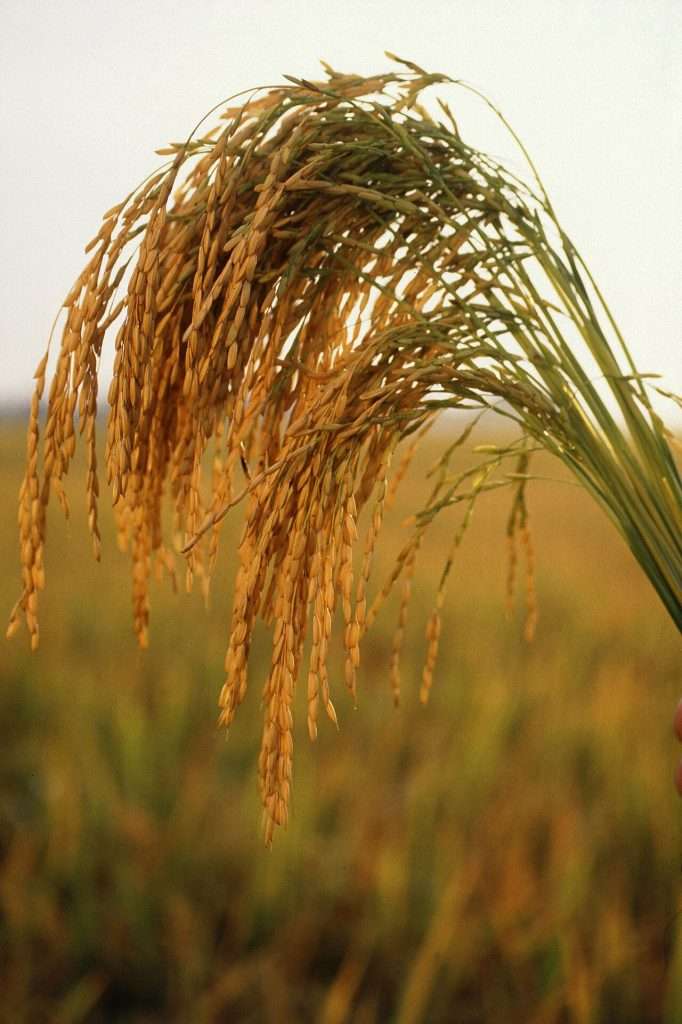
Rice milling machinery turns harvested paddy into clean, polished white rice ready for packing. China builds a very wide range of this equipment, from compact combined rice mills for village use to complete automatic rice processing plants. For importers, distributors and millers, the opportunity is real, but results depend on matching the machine to your paddy, your capacity target and your market’s quality expectations. This guide explains what to look for when sourcing rice milling machinery from China.
Types of rice milling machinery
- Combined (mini) rice mills: single-frame units that husk and whiten in one pass. Simple and low cost, suited to small mills and custom milling services.
- Small and medium complete lines: modular lines with cleaning, destoning, husking, paddy separation, whitening, polishing, grading and packing.
- Large automatic rice plants: multi-stage whitening and polishing, color sorting, PLC control, bucket elevators and bulk storage.
- Parboiling systems: soaking tanks, steamers and dryers for parboiled rice, usually paired with a boiler.
- Individual machines: paddy cleaners, destoners, rubber-roll huskers, paddy separators, vertical or horizontal whiteners, water polishers, length graders and optical color sorters.
What to specify before requesting quotes
- Paddy type: long grain, medium or short grain, and typical moisture and impurity levels. Grain shape affects huller and whitener settings.
- Capacity: state it clearly as tons of paddy input per day or per hour, not just “finished rice”. Ask how the supplier defines it.
- Product targets: degree of whiteness, acceptable broken rice percentage, and whether you need polished, parboiled or brown rice.
- Power supply: voltage, frequency and phase. See our guide on voltage and frequency specifications.
- Building and layout: available floor area and height. Large plants often use multi-floor steel structures.
- Upstream and downstream needs: paddy drying and storage (see grain dryers and steel silos) and bagging equipment (see packaging machines).
Key quality points
- Head rice yield and broken rate: ask what results the supplier achieves on paddy similar to yours, and request a test with your own sample if possible.
- Huller rolls: rubber roll quality, roll size and adjustment mechanism affect husking efficiency and running cost.
- Whitening chambers: screen and emery stone quality, and how many whitening stages the line has. More gentle stages usually mean fewer broken grains.
- Color sorter: camera type, number of channels and ejector count. Confirm the brand of key optical parts.
- Dust and husk handling: cyclones, bag filters and husk conveying. Rice husk is bulky, so plan where it goes.
- Motors and electrics: ask for motor and electrical component brands in the quotation, and check the control cabinet build.
Safety and compliance
- Guards on belts, pulleys and moving parts, and emergency stops on the line.
- Food-contact parts suitable for food use, with stainless steel where the product touches surfaces after whitening.
- Dust explosion risk management in enclosed areas, according to your local rules.
- CE marking or other certification if your market requires it. Ask for real documents, not just a logo on the nameplate.
Testing before shipment
- Run the line, or at least the key machines, at the factory with real paddy and record video.
- Measure capacity, whiteness and broken percentage against the contract.
- Check color sorter rejection accuracy with a mixed sample.
- Verify part lists, motor nameplates and electrical drawings before packing.
Our factory acceptance test guide explains how to structure these checks.
Shipping and spare parts
- Complete lines usually ship in several containers, often a mix of 40HQ and open top units for large parts. Confirm the packing list and loading plan.
- Steel structures and elevators are often shipped knocked down for installation on site.
- Order wear parts with the machines: rubber rolls, whitening screens, emery stones, sieves, bearings, belts and sorter ejectors.
- Agree on installation support, either remote video guidance or an engineer visit, and confirm who pays travel costs.
Read more in our guide to shipping machinery from China.
Frequently asked questions
What capacity rice mill should I buy?
Base it on how much paddy you can reliably buy and dry each day, not on peak harvest volume alone. Many buyers choose a line that can run one or two shifts at full load, then plan expansion with additional modules.
Can a Chinese supplier test my own paddy?
Many manufacturers can run a trial with a paddy sample you send, subject to import rules for grain samples in China. Ask in advance and confirm what results they will report.
How long does a complete rice mill line take to produce?
Lead times vary with line size and the factory’s workload. Small lines are often quicker than large plants with steel structures. Always confirm the schedule with the supplier in writing.
Source rice milling machinery with Supbon Sourcing
Supbon Sourcing is a China machinery sourcing agent based in Jinan, Shandong. We help buyers find suitable rice milling manufacturers, compare quotations, check specifications and organize inspection and shipping. Learn more about our food processing machinery sourcing and agricultural machinery sourcing services.
Contact Supbon Sourcing with your paddy type, capacity and voltage, and we will help you plan your rice mill purchase.