
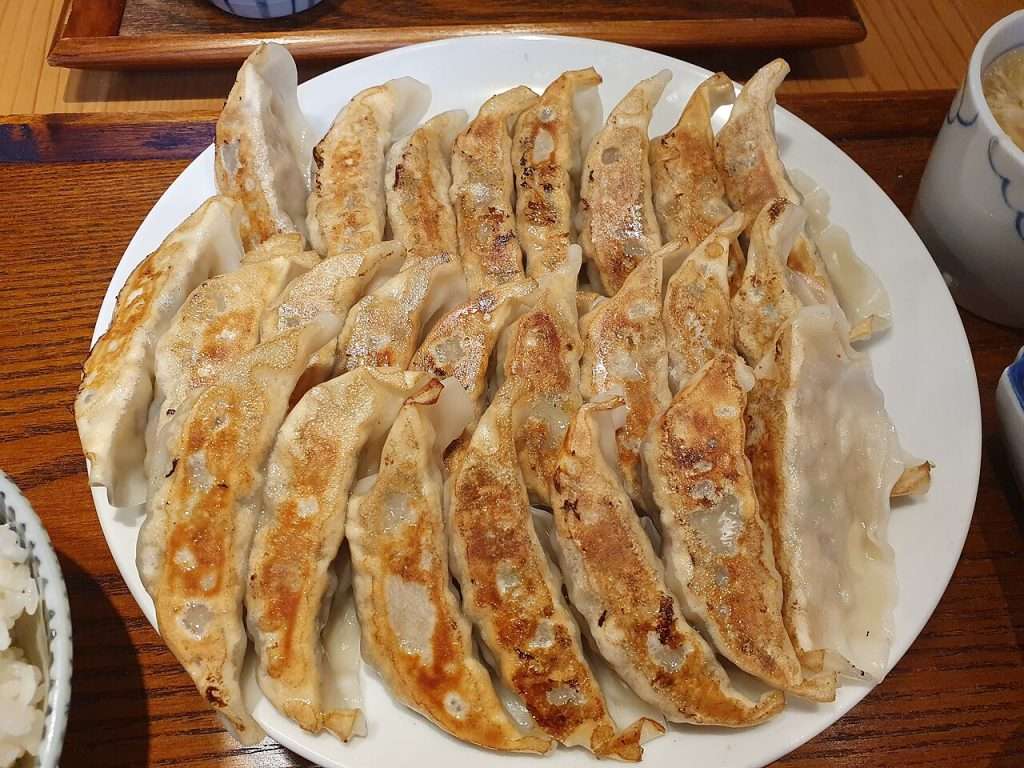
Frozen dumplings, gyoza, spring rolls, samosas and empanadas are growth categories in many markets, and China is one of the most established places to buy the machines that make them. Chinese suppliers build everything from small tabletop dumpling formers for restaurants and central kitchens to fully automatic lines that sheet dough, deposit filling, form, and feed straight into a tunnel freezer. The challenge for an overseas buyer is that these machines are very sensitive to dough recipe and filling texture. A machine that runs perfectly on the supplier’s demo dough can struggle with your flour, your hydration level and your filling. This guide explains how to specify, test and import dumpling and spring roll machinery from China with fewer surprises.
Types of dumpling and spring roll machines
- Imitation hand-made dumpling machines – use pre-made or machine-made wrappers and fold them to look hand-pleated. Common for jiaozi and gyoza.
- Extrusion-type dumpling machines – extrude a dough tube with filling inside and cut/form the dumplings in one step. Usually higher output, but the finished shape looks more industrial.
- Wrapper / dough sheet machines – sheet and cut round or square wrappers for dumplings, wontons and siu mai.
- Spring roll pastry machines – produce thin crepe-style sheets on a heated drum or belt; often combined with a separate rolling machine.
- Samosa, empanada and pierogi formers – folding or rotary-moulding machines with interchangeable moulds for different shapes and sizes.
- Complete lines – dough mixer, sheeter, forming machine, steamer or fryer, freezer and packaging machine integrated by one supplier or several.
What to specify in your RFQ
- Product details: shape, weight per piece (dough and filling separately), wrapper thickness and target filling ratio. Send photos and samples of the product you want to match.
- Dough recipe: flour type, protein level, water percentage and any additives. Hydration has a large effect on how dough sheets and seals.
- Filling type: minced meat, vegetables, seafood, cheese, curry or sweet paste, and the maximum particle size. Large vegetable pieces can block filling pumps.
- Output: pieces per hour or kg per hour, and how many shifts per day.
- Mould sets: how many shapes you need now and later, and the cost and lead time for extra moulds.
- Downstream: whether the product is steamed, fried or frozen raw, and whether the line must connect to an existing freezer or tray system.
- Utilities: voltage, phase and frequency at your plant. See our guide on voltage and electrical specifications.
A clear technical specification avoids most disputes later. Our article on how to write a machinery RFQ explains the format.
Key quality points
- Food-contact materials: ask which parts are stainless steel (and which grade), and which are food-grade plastics. Check that hidden frames and fasteners near the product zone are also stainless.
- Filling pump accuracy: ask for the weight tolerance per piece and how it is adjusted. Inconsistent filling is a common complaint.
- Sealing quality: poorly sealed dumplings can burst when boiled or fried. Check seal strength on samples during the trial.
- Cleanability: the forming head, hopper and filling pump should disassemble quickly without special tools. Ask for a cleaning procedure video.
- Drive and controls: check the PLC, inverter and motor brands and whether spare parts are available in your country.
- Belt material: conveyor belts should be food-grade and easy to remove for washing.
Safety and compliance
- Guards on all moving parts, an emergency stop that is easy to reach and interlocks on covers.
- For the EU and UK, the machine needs CE marking with a proper Declaration of Conformity and a technical file. See our CE marking guide.
- Food-contact materials must meet the rules in your market, for example EU food-contact rules or FDA requirements in the US. Ask for material certificates rather than general statements.
- Manuals and safety labels in your language. Plan this early; it is often left out of the quotation.
Testing before shipment
For dumpling machines, the trial run matters more than almost any document. Typically we recommend:
- Send your flour (or the closest local equivalent) and a written recipe to the factory, or agree in writing which local flour will be used.
- Run the machine for at least 30–60 minutes continuously at rated speed, not just a short demo.
- Weigh a random sample of pieces to check filling and total weight variation.
- Cook a sample (boil, steam or fry) to check sealing and texture.
- Test mould changeover and full disassembly for cleaning.
- Record video of the full test for your records.
Our factory acceptance test guide explains how to write the test protocol into your contract. If you cannot travel, a remote video inspection can cover much of it.
Shipping and spare parts
- Single machines usually ship by LCL in wooden crates; full lines often need one or more 20ft or 40ft containers. See shipping machinery from China.
- Order spare moulds, cutters, seals, scrapers and food-grade belts with the machine. These are the parts that wear first.
- Ask for a recommended two-year spare parts list with prices.
- Confirm how installation and training will be handled, either remote video support or an engineer visit, and who pays for travel.
Frequently asked questions
Can one machine make dumplings, samosas and spring rolls?
Some forming machines can make several shapes by changing moulds, but spring roll pastry and rolling usually need dedicated equipment. Ask the supplier exactly which products each mould set can make and test each one during the trial.
Will the machine work with my local flour?
Usually, but you may need to adjust hydration or add ingredients. That is why testing with your flour or a close equivalent before shipment is important. Confirm with the supplier which recipe adjustments they recommend.
How long does production take?
Standard machines are often ready in a few weeks, while complete lines typically take longer. Lead times vary by factory and season, so confirm the schedule in the contract, especially before Chinese New Year.
Source dumpling and spring roll machines with Supbon Sourcing
Supbon Sourcing is based in Jinan, Shandong, and helps overseas buyers find and verify Chinese food machinery suppliers, compare quotations, organise trial runs and inspect equipment before it ships. Learn more about our food processing machinery sourcing service, or contact us with your product photos, recipe and target output to start your project.