
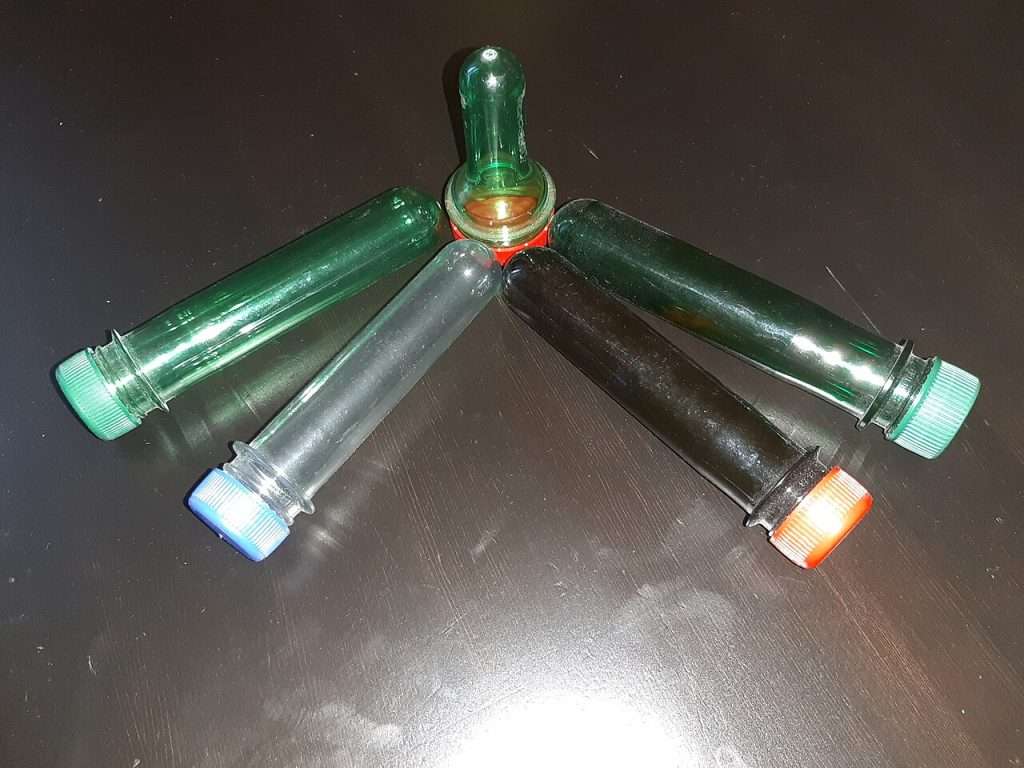
PET bottles are used for drinking water, soft drinks, juice, edible oil, sauces, household chemicals and personal care products. Many bottlers produce their own bottles from preforms using a stretch blow molding machine, which cuts the cost and space needed to transport empty bottles. China has many manufacturers of PET blow molding machines, from semi-automatic two-step machines to fully automatic high-speed rotary machines. This guide covers what buyers should specify, inspect and test when sourcing a PET blow molding machine from China.
Types of PET blow molding machines
- Semi-automatic two-step machines – an operator loads preforms and removes bottles. Low investment, suited to small output and frequent bottle changes.
- Fully automatic linear machines – preforms are fed, heated and blown automatically in a linear layout. Common for small and medium water and beverage plants.
- Rotary high-speed machines – continuous rotary blowing for large outputs, often integrated with filling and capping (blow-fill-cap “combi” systems).
- One-step injection stretch blow molding – makes the preform and the bottle on one machine; often used for pharmaceutical, cosmetic and specialty containers.
- Large container machines – for 5-gallon water jugs and big edible oil bottles.
If you also need to produce preforms, see our injection molding machine sourcing guide.
What to specify
- Bottle drawings – volume, shape, neck finish, weight and the product to be filled. Hot-fill, carbonated and still products need different bottle and machine designs.
- Output – bottles per hour for each bottle size, and how many cavities are needed to reach it.
- Preform specification – weight, neck size and length. Moulds must match both the preform and the bottle.
- Bottle change-over – how many bottle shapes you plan to run and how long a mould change takes.
- Compressed air – blow molding typically needs a high-pressure air supply in addition to low-pressure air for actuation. Confirm the pressure and flow required. Our air compressor sourcing guide explains what to ask.
- Mould cooling – water chiller capacity and temperature. See our industrial chiller sourcing guide.
- Electrical supply – voltage, frequency and total installed power for the heating oven.
Key quality points
- Preform heating oven – number of heating zones, lamp control, and how evenly the preform is heated. Uneven heating causes thin spots and weak bottles.
- Stretch and blow system – servo or pneumatic stretching, valve block quality and recovery of air where offered.
- Mould quality – mould material, surface finish, cooling channels and cavity consistency. Moulds are often made by a separate workshop, so check them carefully.
- Key components – PLC, servo motors, valves and sensors. Ask for the brand list and check that spares are available in your country.
- Machine frame and guarding – rigid frame, good alignment and safety doors with interlocks.
Safety and compliance
- Blow molding uses high-pressure air, hot lamps and moving clamping units. Interlocked guards, pressure relief and emergency stops are essential.
- For European buyers, review our guide to CE marking for machinery from China and check that the pressure equipment and electrical documentation are complete.
- Bottles for food and beverages must be made from food-grade PET resin; the machine itself should not contaminate the bottle with oil or debris.
Testing before shipment
Insist on a blowing test with your own preforms or preforms matching your specification. During the factory acceptance test, check:
- Actual output over a continuous run, not just a short demonstration.
- Bottle wall thickness distribution, base shape and dimensional accuracy.
- Top-load and, where relevant, burst-pressure performance of sample bottles.
- Reject rate and the stability of the heating profile over time.
- Mould change-over procedure and time.
- Safety door interlocks and emergency stop function.
Keep sample bottles from the test as a reference for acceptance after installation.
Shipping and spare parts
- Moulds should be packed separately with rust protection. See our guide on shipping machinery from China.
- Typical spares include heating lamps, seals, blow valves, stretch rod parts, sensors and mould vent parts.
- If the machine feeds a filling line, coordinate conveyor height, speed and bottle handling parts with the filling machine supplier. Read our filling machine and bottling line guide.
Frequently asked questions
Can I use one machine for several bottle sizes?
Often yes, by changing moulds and adjusting heating settings, as long as the preform neck and bottle size stay within the machine’s range. Confirm the range and change-over time with the supplier.
Should I buy the moulds from the same supplier?
Buying moulds with the machine usually makes testing and responsibility clearer. If you use a separate mould maker, make sure both parties agree on the mould interface and test together.
What utilities does a blow molding machine need?
Typically electricity, low- and high-pressure compressed air, and chilled water for mould cooling. Ask the supplier for a full utility list before planning your site.
Source PET blow molding machines with Supbon Sourcing
Supbon Sourcing helps overseas buyers find suitable PET blow molding machine and mould manufacturers in China, compare offers, review technical details and arrange testing before shipment. Learn more about our packaging machinery sourcing service.
Planning a bottle production project? Contact Supbon Sourcing with your bottle drawings and target output, and we will help you shortlist suitable suppliers.