
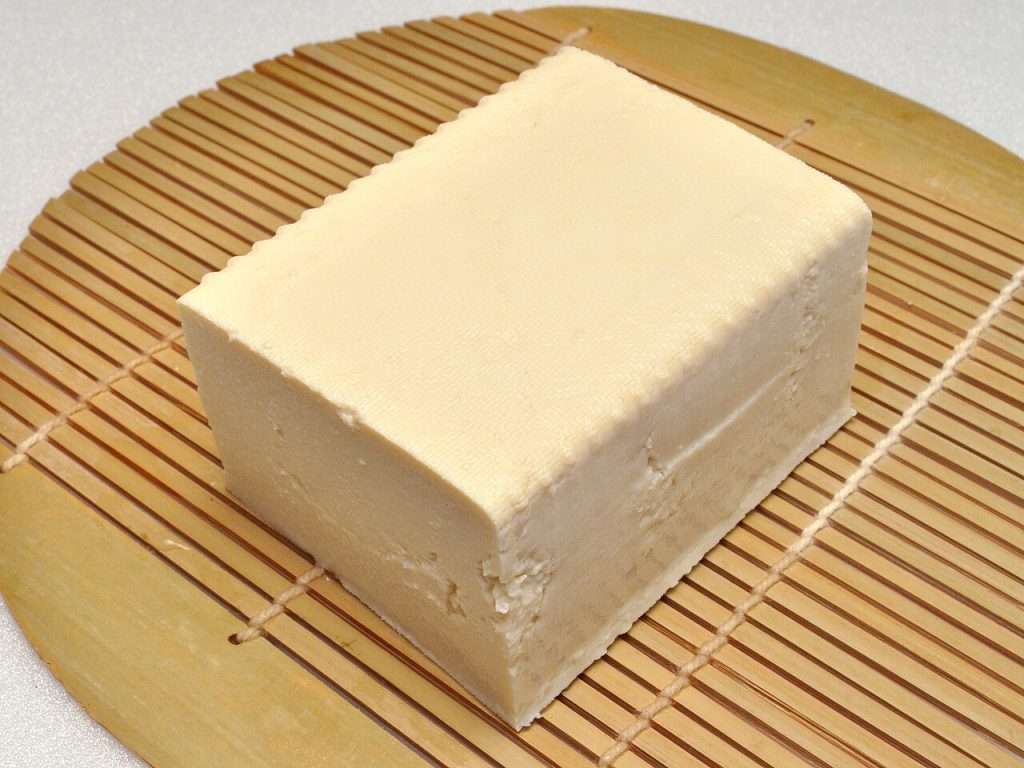
Demand for tofu, soy milk and other soy-based foods continues to grow in Asian, Western and plant-based food markets. China has a long tradition of soybean processing and a large base of manufacturers producing soaking tanks, grinders, okara separators, soy milk boilers, tofu coagulation and pressing machines, and complete automatic tofu lines. Equipment ranges from small workshop units to continuous production lines, and the quality gap between suppliers can be large. This guide explains how to source tofu and soy milk production equipment from China with fewer surprises.
Types of tofu and soy milk equipment
- Soybean soaking and washing – stainless steel soaking tanks, bean conveyors and washers.
- Grinding and separation – stone or steel grinders and centrifugal or screw separators that split soy slurry from okara (soy pulp).
- Cooking – steam-heated or direct-heated soy milk boilers, continuous cooking systems and defoaming units.
- Coagulation and pressing – manual or automatic coagulant dosing, molding boxes, hydraulic or pneumatic tofu presses and cutting machines.
- Specialty products – fried tofu lines, dried tofu (bean curd sheet) machines, tofu skin (yuba) machines and silken tofu filling and sealing machines.
- Soy milk lines – homogenisers, pasteurisers or UHT systems, and filling machines for bottled or boxed soy milk.
What to specify
- Products – firm tofu, silken tofu, fried tofu, dried tofu, soy milk or a combination. Each product needs different coagulation, pressing and packing equipment.
- Capacity – define it as dry soybean input per hour and finished product output, because suppliers sometimes quote different figures.
- Level of automation – semi-automatic workshop setup or continuous line with automatic coagulation, pressing and cutting.
- Heating – steam from an existing boiler, or a dedicated steam generator. Our industrial steam boiler sourcing guide explains what to check.
- Coagulant – nigari (magnesium chloride), gypsum (calcium sulfate) or GDL, as the dosing system depends on it.
- Utilities – voltage, frequency, water supply, drainage and compressed air.
- Floor plan – share your building layout so the supplier can propose a realistic equipment arrangement.
Key quality points
- Stainless steel grade – food-contact parts are usually specified as 304 stainless steel; ask for material certificates and check that hidden parts are not made of lower-grade material.
- Hygienic design – smooth welds, no dead corners, drainable tanks and pipes, and easy access for cleaning. CIP (clean-in-place) options are worth considering on larger lines.
- Grinder and separator performance – fineness of grinding and separation efficiency affect yield, so ask for test data with soybeans similar to yours.
- Temperature control – cooking temperature and holding time affect taste, texture and food safety.
- Pumps, valves and seals – food-grade seals and gaskets, and recognisable component brands for easier replacement.
Food safety and compliance
- Check the food-contact material rules in your market and ask for relevant declarations for stainless steel, plastics and rubber parts.
- For the EU, machinery must meet CE requirements. See our guide to CE marking for machinery from China.
- Guarding on presses, cutting machines and rotating parts, plus emergency stops, should be verified before shipment.
- Your local food authority may have requirements for factory layout, hygiene zoning and water quality; check these early.
Testing before shipment
A tofu line is best tested with real soybeans. Include these points in your factory acceptance test:
- Run soaking, grinding, cooking, coagulation and pressing with real soybeans and record capacity.
- Check okara moisture after separation and soy milk concentration.
- Inspect tofu texture, block size and weight consistency.
- Verify temperature control, safety interlocks and emergency stops.
- Inspect welds and internal surfaces of tanks and pipes.
- Record video of the full run if you cannot attend.
For a broader view of inspection stages, read our guide to pre-production, during-production and pre-shipment inspection.
Shipping and spare parts
- Complete lines are often shipped in one or more containers with tanks and frames secured to prevent movement. See shipping machinery from China.
- Ask for a layout drawing, utility list, piping diagram and English manual before shipment.
- Recommended spares include grinding discs or stones, filter cloths or screens, seals and gaskets, press cloths, sensors and pump parts.
- Discuss installation support in advance. Our guide on installation and commissioning with Chinese suppliers explains common options.
Frequently asked questions
Can one line make both tofu and soy milk?
Yes, many lines share soaking, grinding and cooking equipment, then split into tofu coagulation and pressing or soy milk treatment and filling. Make sure the supplier designs capacities for both products running together if needed.
Do I need a steam boiler for a tofu line?
Most medium and large lines use steam for cooking. Small setups may use electric or direct heating. Confirm the steam consumption and pressure needed and whether the supplier includes a steam generator.
How much floor space does a tofu production line need?
It depends on capacity, products and level of automation. Share your building layout with suppliers and ask for a scaled drawing before you sign a contract.
Source tofu and soy milk equipment with Supbon Sourcing
Supbon Sourcing, based in Jinan, Shandong, helps overseas buyers find suitable soybean processing machinery manufacturers, compare quotations, check hygienic design and arrange testing before shipment. Learn more about our food processing machinery sourcing service.
Planning a tofu or soy milk project? Contact Supbon Sourcing with your products, capacity and site details, and we will help you find the right suppliers in China.