
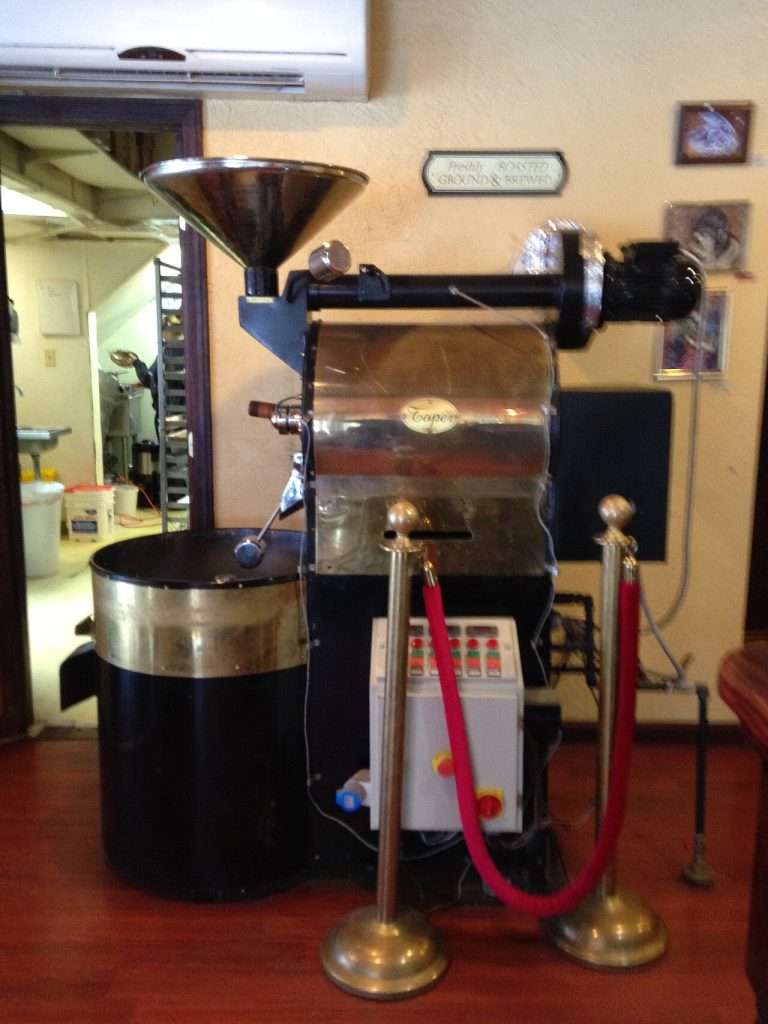
Coffee roasting has grown far beyond large industrial plants. Specialty roasters, cafés with in-house roasting, private-label brands and contract roasters all need reliable equipment, and China has become a common source for drum roasters, green bean handling systems, grinders and coffee packaging lines. Chinese manufacturers offer everything from small shop roasters to multi-batch production roasters, but quality, burner design, controls and safety features vary widely between factories. This guide explains what to specify, what to check and how to reduce risk when sourcing a coffee roaster from China.
Types of coffee roasting equipment available from China
- Sample roasters – very small batch machines used for green bean evaluation and recipe development.
- Shop and café drum roasters – small batch drum roasters for cafés and micro-roasteries, usually gas or electric heated.
- Production drum roasters – larger batch machines for wholesale roasters and private-label brands, often with separate cooling trays, destoners and loaders.
- Hot-air (fluid bed) roasters – roast beans in a stream of hot air; used by some specialty and industrial roasters.
- Supporting equipment – green bean vacuum loaders, destoners, smoke/chaff afterburners or catalytic converters, cooling bins, industrial grinders and degassing-valve bag packing machines.
Many buyers source the roaster together with grinding and packaging equipment. Our packaging machine sourcing guide covers bagging and filling options in more detail.
What to specify before requesting quotations
- Batch size and output – state the green bean batch weight and how many batches per hour you expect, not just the “kg” figure in the model name.
- Heat source – natural gas, LPG or electric. Confirm gas pressure, gas type and burner certification requirements for your country.
- Drum construction – single-wall or double-wall drum, material and thickness, and how heat is transferred (conduction vs. convection balance).
- Controls and data logging – manual controls, PLC with touch screen, or compatibility with roast-profiling software through a data port. Ask which bean and exhaust temperature probes are fitted.
- Airflow control – variable-speed fan, damper control and cyclone design for chaff collection.
- Emission control – afterburner or catalytic system if local regulations limit smoke and odour.
- Electrical supply – voltage, phase and frequency. See our guide on voltage and frequency specifications.
Key quality points to check
- Drum and bearing quality – drum concentricity, bearing brands and the drive motor and gearbox. A drum that runs out of true will cause uneven roasting and noise.
- Burner and gas train – burner type, flame failure detection, gas valve brand and whether components carry recognised certifications.
- Temperature sensors – sensor type, placement and response time affect roast repeatability.
- Food-contact materials – cooling tray, hopper and any parts touching beans should be food-grade stainless steel or another suitable material.
- Insulation and surface temperatures – check how hot the outer panels become during operation.
- Welding and finishing – clean welds, no sharp edges, and paint or coatings that tolerate heat.
Safety and compliance
- Roasters combine heat, gas, rotating parts and combustible chaff, so fire risk is the main concern. Ask about chaff collector design, cleaning access and any fire suppression or water quench option.
- For Europe, gas appliances and machinery are subject to specific rules. Read our guide to CE marking for machinery imported from China and confirm which directives the supplier’s documents actually cover.
- In North America and other markets, gas trains and electrical panels may need local certification or field inspection. Check with your installer before ordering.
- Exhaust ducting and emission rules are local; confirm requirements with your authority having jurisdiction.
Testing before shipment
Ask the factory to run a real roast test with green beans before the machine leaves. A structured factory acceptance test for a roaster should include:
- Heating up from cold and recording the time to reach charge temperature.
- Several full batches with roast curves recorded (bean temperature, exhaust temperature, airflow settings).
- Checking even roast colour across the batch and consistency between batches.
- Testing cooling time, agitator function and chaff collection.
- Testing flame failure, emergency stop and over-temperature protection.
- Video recording of the full test if you cannot attend in person.
Shipping, installation and spare parts
- Small roasters often ship in a wooden crate; larger units may need disassembly of the hopper, cooler and cyclone. Read our guide on shipping machinery from China.
- Request wiring diagrams, gas schematics, parts lists and an English manual before shipment.
- Order critical spares with the machine: thermocouples, burner igniter, fan motor, drive belts or chains, bearings and a spare control board where practical. See our spare parts sourcing guide.
- Gas connection and exhaust ducting should be completed by qualified local installers.
Frequently asked questions
Can a Chinese coffee roaster be supplied for LPG or natural gas?
Many suppliers can configure the burner for either gas type, but the gas pressure, nozzle size and gas train must match your local supply. Confirm this in writing and include it in the contract specification.
Can I connect a Chinese roaster to roast-profiling software?
Some models include a data port or compatible thermocouple setup, while others do not. Ask the supplier exactly which probes and communication interface are fitted, and test the connection during the factory acceptance test.
How long does it take to produce a coffee roaster?
Lead times depend on the model, customisation and the factory’s workload. Standard models are often quicker than customised production roasters; always confirm the production schedule with the supplier before paying a deposit.
Source coffee roasting equipment with Supbon Sourcing
Supbon Sourcing is a machinery sourcing agent based in Jinan, Shandong. We help overseas buyers find suitable coffee roaster manufacturers, compare quotations, check specifications, arrange factory testing and coordinate shipment. Learn more about our food processing machinery sourcing service and our wider food machinery buyer’s guide.
Planning to buy a coffee roaster or a complete roasting line from China? Contact Supbon Sourcing with your batch size, heat source and target market, and we will help you shortlist suitable suppliers.