
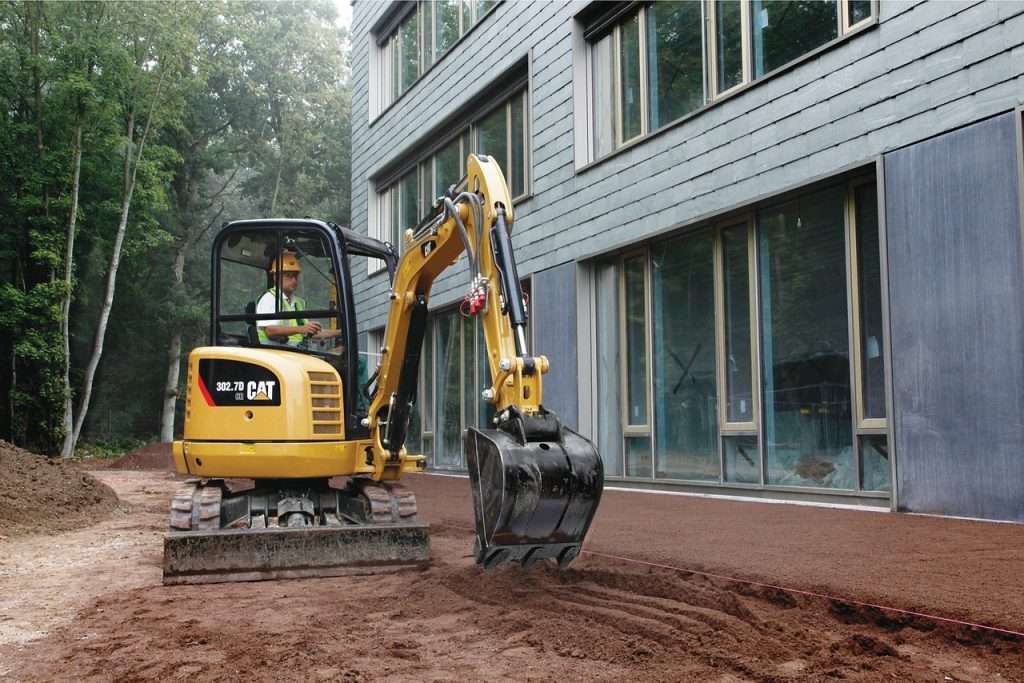
Short answer: buying a mini excavator from China can work well if you match the engine and emissions certification to your country, confirm the hydraulic system and undercarriage specification in writing, and inspect a running machine before shipment. Most problems with Chinese mini excavators come from unclear specifications, non-compliant engines and missing spare parts support, not from the steel structure itself.
Are you looking to import reliable mini excavators from China but worried about factory compliance, quality consistency and technical specifications? China has a large number of mini excavator manufacturers, from established construction machinery brands to small assembly workshops that build 1-ton machines with bought-in engines and hydraulics. Quality, documentation and after-sales support vary widely across this range. This guide explains how to choose a machine, what to put in the specification, the red flags to watch for, and what to check before the excavator is loaded. For other equipment types, see our construction machinery sourcing guide.
Mini excavator size classes and typical uses
Terms differ between markets, but buyers and suppliers commonly use the following rough classes. Always compare actual operating weight, digging depth and engine power rather than the model name.
| Class (operating weight) | Typical uses | Points to check |
|---|---|---|
| Micro, about 0.8–1.5 t | Landscaping, gardens, indoor demolition, narrow access | Engine certification, stability, whether a canopy with ROPS/TOPS is fitted, track width for gates and doorways |
| Mini, about 1.5–3.5 t | Utility trenching, small building sites, rental fleets, farms | Hydraulic pump type, swing boom, auxiliary hydraulics, quick hitch, trailer weight limits |
| Compact / midi, about 3.5–6 t | Foundations, drainage, contractors needing more reach and lift | Cab with heating/AC, lifting capacity chart, emissions stage, road transport weight |
Before asking for quotes, check how the machine will be moved. Many buyers need a machine that can be towed on a specific trailer, so weight with bucket, counterweight and options is a key limit.
How to choose the right mini excavator
Engine and emissions compliance
This is the most important point for many markets. Chinese mini excavators are offered with a range of engines, including Japanese, European and Chinese brands. In the United States, non-road engines generally need EPA certification; in the EU, engines need to meet the applicable Stage V requirements; other countries have their own rules or none. Ask the supplier for the engine model, its certificate for your market, and the engine serial number to be recorded on the inspection report. A cheap quote with an uncertified engine can become a machine you cannot legally import or sell. Confirm the rules with your customs broker or local authority before ordering.
Hydraulic system
Low-cost micro excavators often use a gear pump and simple valves; better machines use a variable displacement piston pump and pilot controls, which typically give smoother, more efficient operation. Ask for the pump and main valve brand and type, system pressure, and whether pilot (joystick) or mechanical lever controls are fitted. If you plan to use a breaker, auger or thumb, specify auxiliary hydraulic lines and flow.
Boom, swing and tail design
A swing boom lets the operator dig next to walls. Zero or reduced tail swing helps in tight spaces. Check maximum digging depth, reach and dump height on the specification sheet and compare them with your typical jobs.
Undercarriage
Rubber tracks suit paved and finished surfaces; steel tracks suit rocky ground. Some micro machines have an expandable undercarriage to pass through narrow openings. Check track width, the track brand if stated, idler and roller design, and the track tensioning method.
Operator protection and comfort
Canopy or closed cab, ROPS/TOPS/FOPS structures where required, seat belt, lighting, and a travel alarm. In many markets rental companies and contractors will not accept machines without proper operator protection.
Attachments
Buckets of different widths, a ditching bucket, ripper, hydraulic thumb, auger and breaker are common. A quick hitch saves time on site. Our guide to excavator attachments from China covers compatibility and pin sizes.
Specifications to put in your purchase order
- Operating weight (with which bucket and options)
- Engine brand, model, rated power and emissions certificate for your market
- Hydraulic pump and main valve brand and type; system pressure
- Digging depth, maximum reach, dump height, bucket capacity
- Track type and width; transport dimensions
- Canopy or cab; protective structures; lights and alarms
- Auxiliary hydraulics, quick hitch and included attachments
- Paint colour and decals (OEM or private label if agreed)
- Manuals in your language, parts book and maintenance schedule
- Warranty terms and the spare parts supply arrangement
If you plan to sell under your own brand, read our notes on OEM and private label machinery. For CE marking expectations in Europe, see CE marking for machinery imported from China.
Common red flags with Chinese mini excavator suppliers
- Engine brand claims that do not match the machine. A quotation may list a well-known engine while the shipped unit has a different one. Record the engine nameplate and serial number at inspection.
- Certificates that cannot be verified. A CE or emissions certificate should name the product and the manufacturer. Ask who issued it and check it where possible.
- Very low prices with no specification sheet. Prices that seem far below the market usually mean a lighter structure, a simpler hydraulic system or an uncertified engine.
- No parts list or parts pricing. Seals, filters, track rollers, bucket teeth and pins wear out. Without a parts book, maintenance becomes difficult.
- “Factory” with no welding or assembly line. Some sellers are traders. That can be acceptable, but you should know who builds the machine. See how to verify a Chinese machinery supplier.
- Used machines sold as new or “nearly new”. If you are considering second-hand equipment, read importing used machinery from China first.
Pre-shipment inspection checklist
Inspection should include a running test, not just a visual check. Our article on machinery quality inspection stages explains when to inspect.
| Area | What to check |
|---|---|
| Identification | Machine serial number, engine nameplate and serial, model and year match the contract and documents |
| Engine | Cold start, idle and full-throttle running, abnormal smoke or noise, oil or coolant leaks |
| Hydraulics | All functions smooth; no leaks at hoses, fittings and cylinders after operating; boom does not drift down noticeably when held raised |
| Swing and travel | Swing in both directions, travel straight forward and reverse, both travel speeds if fitted |
| Undercarriage | Track tension, rollers and idlers, no damage to rubber tracks |
| Structure and welding | Boom, arm and frame welds, pin and bushing fit, no cracks or poor weld spatter |
| Paint and finish | Coverage, no rust under paint, decals correct |
| Safety | Seat belt, safety lever lock-out, horn, lights, travel alarm, protective structures |
| Attachments and accessories | Buckets and attachments as ordered, tool kit, keys, manuals, parts book |
| Packing | Machine secured, fluids at correct level or drained as required by the carrier, loose parts boxed and listed |
Shipping, packing and spare parts
Mini excavators are commonly shipped in containers, often with the boom folded and the machine lashed to the container floor. Smaller micro excavators can sometimes be loaded several to a container, depending on dimensions and weight. Ask for a loading plan and photos. Larger machines may go by flat rack or RoRo. Our guide to export packing and container loading explains what to require.
Order a first set of wear parts with the machine: filters (engine oil, fuel, air, hydraulic), seal kits for main cylinders, bucket teeth and pins, and possibly a spare track. These are inexpensive compared with downtime while waiting for parts from overseas.
Frequently asked questions
Are Chinese mini excavators good quality?
Quality ranges from very basic to well-built machines from established manufacturers. The engine, hydraulic components and welding quality make the biggest difference, so compare specifications and inspect before shipment rather than judging by price or photos.
Can I import a Chinese mini excavator into the US or EU?
Usually yes, if the machine and engine meet the applicable emissions and safety requirements for that market. Ask for certificates before paying the deposit and confirm the rules with your customs broker.
How many mini excavators fit in a container?
It depends on the model’s dimensions and weight. Micro machines can sometimes be loaded more than one per container, while 3–6 t machines may need a container each or a flat rack. Ask the supplier for a loading plan.
What is the typical lead time?
Standard models in stock may ship quickly, while machines with specific engines, colours or attachments often take several weeks. Confirm the production schedule in the contract, and allow extra time around Chinese New Year.
Can I get my own brand on the machine?
Many manufacturers offer custom colours and decals, sometimes with a minimum order quantity. Agree the details and any extra cost in writing.
Why source mini excavators through Supbon Sourcing
- Supplier verification: we check the manufacturer, its production facilities and the documents it provides before you place a deposit.
- Clear comparison: we help you compare quotations on the same specification, so price differences can be explained.
- Pre-shipment inspection: we inspect the ordered machines, including a running test of the engine, hydraulics, swing and travel, and report with photos and video.
- Customised attachments (OEM/ODM): buckets, augers, grapples, thumbs or specific components, coordinated with the factory to your requirements.
- Logistics and export documents: container loading supervision, export customs documentation and coordination with your forwarder.
See our construction machinery sourcing service and sourcing agent fees, or contact us with your required size, engine certification and quantity.