
Flour milling looks simple from the outside, but flour quality depends on how well cleaning, conditioning, grinding and sifting work together. China has a large domestic milling industry, and Shandong is one of the country’s major wheat-growing provinces, so grain processing is a familiar sector in the region. Chinese suppliers offer everything from small compact mills to multi-storey plants. This guide helps millers, investors and dealers specify flour milling equipment from China and avoid buying capacity that exists only on paper.
Main equipment in a flour mill
- Intake and storage: weighbridge or scale, intake pit, elevators, conveyors and silos. See our guide to grain dryers and steel silos.
- Cleaning: separators, destoners, magnets, aspirators, scourers and indented cylinders.
- Conditioning: dampeners and tempering bins that bring grain to the right moisture before grinding.
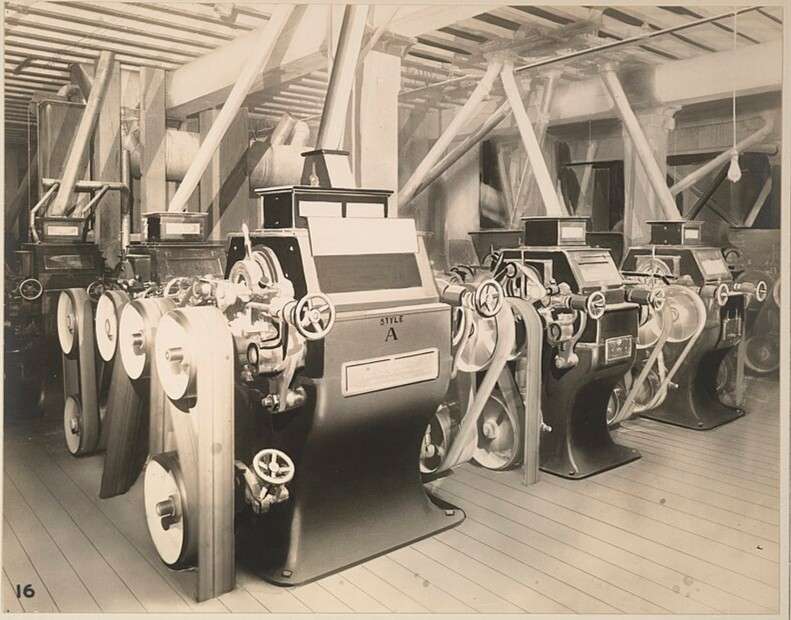
- Milling: pneumatic or manual roller mills with fluted and smooth rolls.
- Sifting and purifying: plansifters, purifiers, bran finishers and vibro sifters.
- Packing and dust control: weighing baggers, pneumatic conveying, filters and cyclones.
What to specify
- Grain type: soft wheat, hard wheat, durum, maize or a mix. Each needs a different flow.
- Capacity as tons of grain per 24 hours, not a loose “tons per day” figure.
- Target products: bakery flour, noodle flour, whole meal, semolina or animal feed by-products.
- Target extraction rate, ash and moisture, based on your market and testing method.
- Building type: steel platform, compact tower or existing multi-storey building.
- Power supply, available space and height, and local climate.
- Automation level and packing sizes.
Put these points in a written technical specification and ask each supplier to send a mill flow diagram with their offer. Without it, comparing quotations is mostly guesswork.
Key quality points
- Rolls: ask about roll material, hardness, fluting specification and how rolls are balanced. Rolls strongly influence flour quality and running cost.
- Roller surface and sifter area: compare the total roll length and sifting area offered per ton of capacity. A low-priced offer may simply have less of both.
- Roller mill construction: check frame rigidity, bearing brands, feed control and how easily gaps can be adjusted.
- Plansifters: examine sieve frames, balance, sealing and ease of cleaning.
- Airlocks and pneumatic system: poor air balance causes blockages, dust and uneven product.
- Food-contact materials: ask which parts are stainless or food-grade, and confirm paint or plastics are suitable.
- Controls and motors: name motor, inverter and PLC brands in the contract.
Safety and compliance
Flour dust can be explosive, so treat dust control as a design subject rather than an accessory. Depending on the country, regulations such as ATEX in the EU or local dust-hazard rules may affect elevators, filters, motors and electrical equipment. Ask how the design handles explosion venting, grounding and magnet separation, and bring in a local safety engineer early. European buyers should also review CE marking requirements. Food safety and flour fortification rules are set locally, so confirm them before fixing the design.
Choosing and checking the supplier
Flour milling has specialist manufacturers and also trading companies that assemble plants from several workshops. Either can work, but you should know which one you are dealing with. Before paying a deposit, use our steps to verify a Chinese machinery supplier and ask for:
- A list of plants of similar capacity and grain type, with the option to speak to or visit a user where possible.
- The source of each main machine, especially roller mills and plansifters if they are bought in.
- Guaranteed performance terms, such as capacity and extraction on a defined grain, and how they will be measured.
- A clear scope list covering platforms, piping, cables, dust filters and packing equipment.
Testing before shipment
A complete mill often cannot be run in the factory, because it is assembled only at site. A sensible factory acceptance test therefore focuses on individual machines and documents:
- No-load runs of roller mills, sifters and purifiers, checking noise, vibration and bearing temperature.
- Check of roll dimensions, fluting and gap adjustment.
- Sample grinding where the supplier has a test mill, with results reviewed by your own lab.
- Verification of quantities against the equipment list, since mills have many small items.
- Inspection of electrical panels, software and safety devices.
- Review of layout drawings, foundation data and installation instructions.
Shipping and spares
A mill plant can fill several containers, so packing lists must be tied to the equipment and installation drawings. Our guide to export packing and container loading explains the basics, and shipping machinery from China covers routes and terms. Keep rolls protected and dry. Order spare rolls or a re-fluting plan, sieve cloths, cleaners, bearings, belts and airlock seals with the plant, because downtime is expensive when spares must come from overseas.
Frequently asked questions
What is the difference between a compact mill and a tower mill?
Compact mills are built on a steel structure and usually suit smaller capacity and quicker installation. Multi-storey mills are often chosen for larger capacity and more complex flour grades. Your site and product plan should decide.
Can the same mill process wheat and maize?
Sometimes, but the flows differ. Maize usually needs degerming, while wheat needs tempering and a different grinding sequence. Tell suppliers exactly what you will mill, and in what proportion.
Will the supplier send engineers to install the mill?
Many suppliers offer installation supervision, usually at the buyer’s cost for travel and daily fees. Confirm the number of engineers, duration and costs in the contract.
Source flour mill machinery with Supbon Sourcing
Supbon Sourcing is a machinery sourcing agent in Jinan, Shandong. We help buyers identify suitable manufacturers, compare technical offers and check goods before shipment. If your project also covers finished products, see our guide to noodle production lines. Contact us with your grain type, daily capacity and target flour specification.