
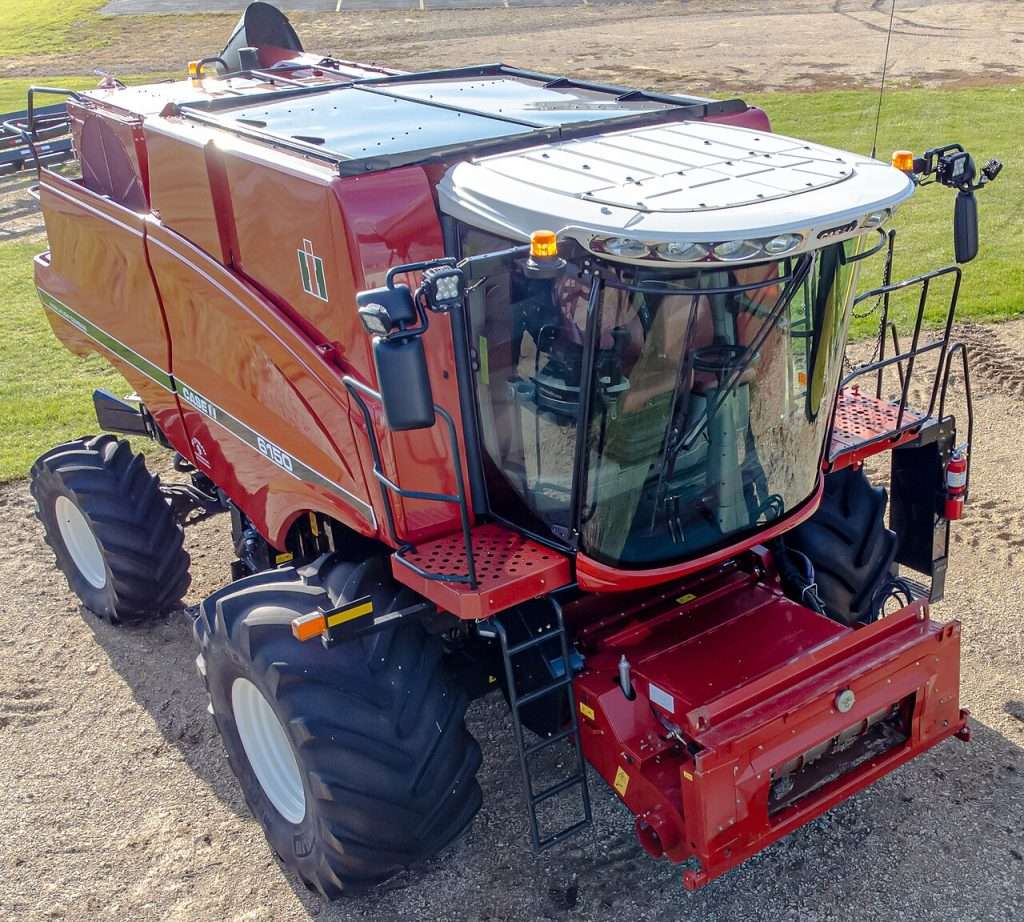
Combine harvesters are among the most important machines for grain farmers and contractors. Chinese manufacturers produce a wide range of combines, from compact crawler harvesters for rice paddies and small fields to larger wheeled machines for wheat and corn. Shandong is one of China’s major agricultural machinery manufacturing provinces, and buyers in Asia, Africa, Latin America, Eastern Europe and other regions increasingly consider Chinese harvesters. This guide explains what to specify and check when sourcing a combine harvester from China.
Types of combine harvesters available from China
- Crawler (tracked) rice harvesters – designed for wet and soft paddy fields; usually compact with a full-feed or half-feed threshing system.
- Wheeled grain combines – for wheat, barley, soybeans and other small grains on firmer ground.
- Corn harvesters – ear-picking machines that pick and husk corn ears, and combines that thresh corn kernels directly.
- Multi-crop combines – one base machine with interchangeable headers for different crops.
- Mini harvesters and reaper-binders – small machines for smallholder farms and hilly areas.
What to specify
- Crops and field conditions – crop type, typical yield, straw moisture, field size, soil firmness and whether fields are wet or terraced.
- Header width and feed rate – match the cutting width and feeding capacity to your crop and the area you need to cover each day.
- Threshing system – tangential or axial flow, number of threshing drums, and adjustability of concave clearance and drum speed.
- Engine – engine brand, power, emission level and fuel quality requirements. Check whether the emission standard is accepted in your country.
- Drive and transmission – hydrostatic (HST) or mechanical gearbox, and tracks vs. wheels.
- Grain tank and unloading – tank capacity, unloading auger height, or bagging option for small farms.
- Cab and operator comfort – open platform or enclosed cab with air conditioning, monitoring screen and lighting for night work.
Many buyers source combines together with tractors. See our tractor sourcing guide.
Key quality points
- Grain loss and cleanliness – ask for field test data on grain loss, broken grain and impurity levels for your crop.
- Threshing and cleaning components – wear resistance of rasp bars, concaves, sieves and augers.
- Tracks and undercarriage – rubber track quality and roller durability on crawler models.
- Hydraulics and bearings – component brands, sealing and lubrication access.
- Paint and corrosion protection – especially important for humid rice-growing areas.
- Dealer support – whether the manufacturer already has dealers, parts stock or service partners in your region.
Safety and compliance
- Check guarding on the header, feeder, belts and chains, and safety signs in your language.
- Road transport rules (width, lights, brakes) vary by country; confirm if the harvester will travel on public roads.
- Engine emission and machinery safety requirements apply in many markets. For the EU, read our guide to CE marking for machinery from China.
- Some countries require import permits or homologation for agricultural machinery; check with your customs broker early.
Testing before shipment
Field testing in China depends on the harvest season, so plan inspections carefully. A practical factory acceptance test for a combine usually includes:
- Engine start-up, idle and full-load running checks.
- Running all threshing, cleaning, conveying and unloading functions with no load.
- Checking hydraulic functions, steering, brakes and travel in all gears.
- Checking for oil leaks, abnormal noise and vibration.
- Verifying the engine serial number, configuration and accessories against the contract.
- Field test videos from the manufacturer for the same model, where available.
Shipping and spare parts
- Combines are often shipped in flat-rack or open-top containers, or as RoRo or break-bulk cargo, depending on size. Smaller crawler harvesters may fit in standard containers after removing the header. See shipping machinery from China.
- Order a wear-parts kit for the first season: knife sections, guards, belts, chains, rasp bars, sieves, filters and bearings. Our spare parts guide explains how to plan this.
- Ask for parts catalogues and operator manuals in English or your local language.
If you also handle grain after harvest, read our guides to grain dryers and steel silos and rice milling machinery.
Frequently asked questions
Are Chinese crawler harvesters suitable for rice paddies?
Many Chinese crawler harvesters are designed for paddy conditions. Still, check track width, ground pressure and clearance against your field conditions and ask for test results in similar fields.
Can one combine harvest both wheat and corn?
Some models accept different headers and adjustments for multiple crops. Confirm which headers are included, how long change-over takes and the expected grain loss for each crop.
When should I order a combine for the next harvest?
Order well before your season, allowing time for production, inspection, shipping and customs clearance. Confirm lead times with the supplier, as factories can be busy before China’s own harvest seasons.
Source combine harvesters with Supbon Sourcing
Supbon Sourcing is based in Jinan, Shandong, and helps overseas importers, dealers and farm contractors find suitable combine harvester manufacturers, compare specifications, inspect machines and coordinate shipment. Learn more about our agricultural machinery sourcing service and our agricultural machinery buyer’s guide.
Looking for combine harvesters for your market? Contact Supbon Sourcing with your crops, field conditions and quantity, and we will help you shortlist suitable suppliers.