
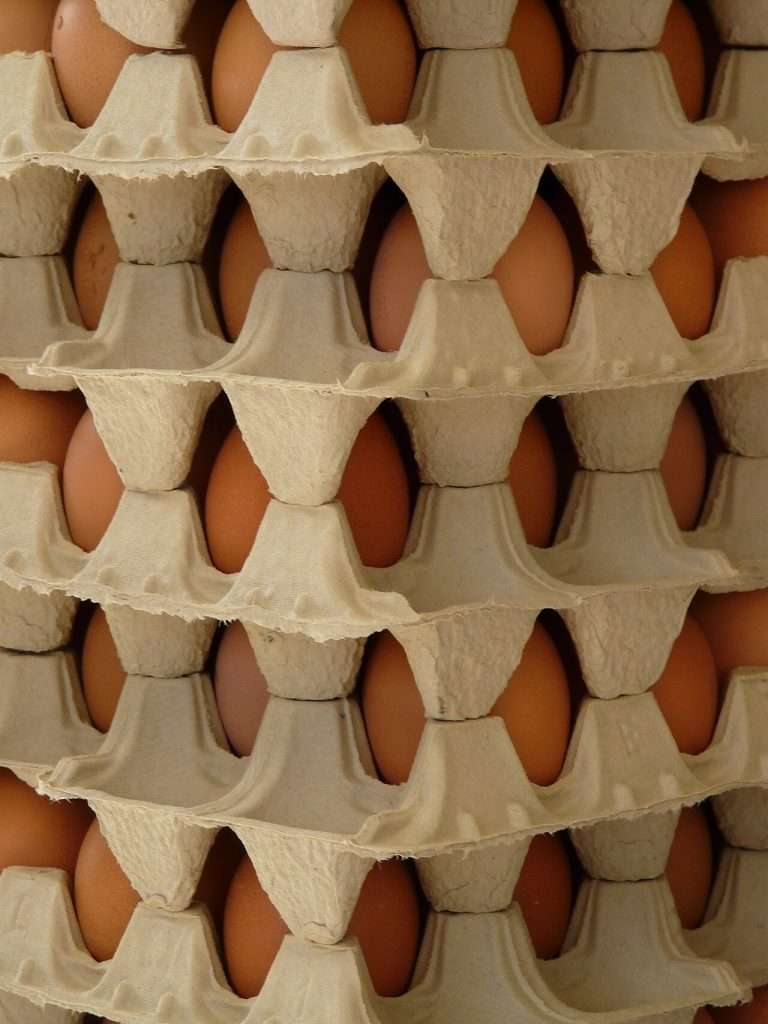
Molded pulp products such as egg trays, egg cartons, fruit trays, cup holders and industrial packaging inserts are made from recycled paper and water. Demand has grown as buyers look for alternatives to plastic and foam packaging. China has many manufacturers of pulp molding equipment, from small semi-automatic egg tray machines to fully automatic lines with multi-layer metal dryers. For poultry farms, packaging companies and investors outside China, the main risks are choosing the wrong drying system, underestimating energy and water needs, and receiving a line that never reaches its rated output. This guide covers what to check before you buy.
Types of pulp molding machines
- Reciprocating forming machines – simpler and lower cost, suitable for smaller outputs.
- Rotary drum forming machines – continuous rotation with several mould faces; common for medium and large egg tray lines.
- Thermoforming / fine pulp machines – form and hot-press products in the mould for smooth, thin-walled items such as premium cartons and food containers. Usually more complex and costly.
- Drying options: natural sun drying (low cost, weather dependent), brick tunnel dryers built on site, and multi-layer metal dryers that are faster to install and more compact.
- Heat sources: natural gas, diesel, LPG, coal, biomass or steam, depending on what is available and permitted at your site.
What to specify
- Products and moulds: 30-cell egg trays, 6/10/12-egg cartons, fruit trays, seedling trays or industrial packaging. Send drawings or samples.
- Output: pieces per hour, hours per day and days per year. Ask whether rated output is for egg trays only; output for other products is usually lower.
- Raw material: waste newspaper, cardboard, office paper or virgin fibre. Raw material affects colour, strength and pulping equipment.
- Drying system and fuel, plus local energy costs and emissions rules.
- Building size: length, width and height needed for the whole line, including the dryer and storage. Ask for a layout drawing.
- Utilities: electrical load, voltage and frequency, water consumption and compressed air. See our electrical specification guide.
- Post-processing: hot press, stacker, counter and bundling or packing equipment.
Key quality points
- Moulds: material (aluminium, copper or plastic), mesh quality and precision. Good moulds give even wall thickness and clean edges.
- Vacuum system: vacuum pump capacity and type have a large effect on forming quality and moisture content.
- Pulping system: hydrapulper, refiner and screens. Poor pulping leaves lumps and contaminants in the product.
- Dryer efficiency: insulation, air circulation and burner quality. This is often the largest operating cost.
- Structure: steel thickness, welding and corrosion protection, as the equipment works in wet conditions.
- Controls: PLC and inverter brands, and whether key electrical parts can be bought locally.
Safety and compliance
- Guarding on rotating drums, transfer arms and conveyors, with emergency stops along the line.
- Burners and fuel systems must meet the gas or boiler rules in your country; local certification may be required.
- For the EU and UK, the line must be CE marked. See our CE marking guide.
- Check local rules for waste water discharge and dryer emissions before choosing the fuel.
- If trays will contact food directly, check additive and material requirements for your market.
Testing before shipment
- Ask to see the forming machine run with your mould, producing wet trays continuously.
- Check product weight, wall thickness and moisture after forming.
- Where possible, see a similar line with the same dryer type running at a customer site or the factory.
- Inspect moulds closely for mesh damage, welding and fit.
- Check all electrical cabinets, motors and pumps against the quotation list.
Our factory acceptance test guide explains how to agree test criteria in the contract. It is also worth reading how to evaluate a Chinese factory’s capacity before you place an order.
Shipping and spare parts
- A complete line with a metal dryer often needs several 40ft containers; brick-dryer lines ship fewer parts but need civil works on site. Ask for a container loading plan. See shipping machinery from China.
- Order spare mould meshes, vacuum pump parts, belts, bearings and burner parts.
- Agree who installs the line and how long the engineers will stay. See our guide on installation and commissioning.
Frequently asked questions
Which drying system should I choose?
It depends on output, climate, fuel cost and space. Small producers in dry climates sometimes use natural drying. Medium and large lines typically use brick or metal dryers. Ask suppliers for fuel consumption estimates and compare them with your local energy prices.
Can one machine make egg trays and fruit trays?
Usually yes, by changing moulds, but output and drying time differ by product. Confirm the rated output for each product in the quotation.
How long does it take to build a line?
Machine production for a full line often takes one to two months, and installation time depends on the dryer type and site readiness. Confirm the schedule with the supplier.
Source egg tray machines with Supbon Sourcing
Supbon Sourcing is based in Jinan, Shandong, and helps overseas buyers shortlist pulp molding manufacturers, compare line configurations and running costs, check moulds and inspect equipment before shipment. See our packaging machinery sourcing service, or contact us with your product list, target output and available fuel.